- Unlock the joy of fresh herbs right in your home.
- Discover space-saving vertical gardening for even small spaces.
- Learn about easy-to-grow, low-maintenance herbs perfect for indoors.
- Gain confidence to create and care for your own thriving indoor herb wall.
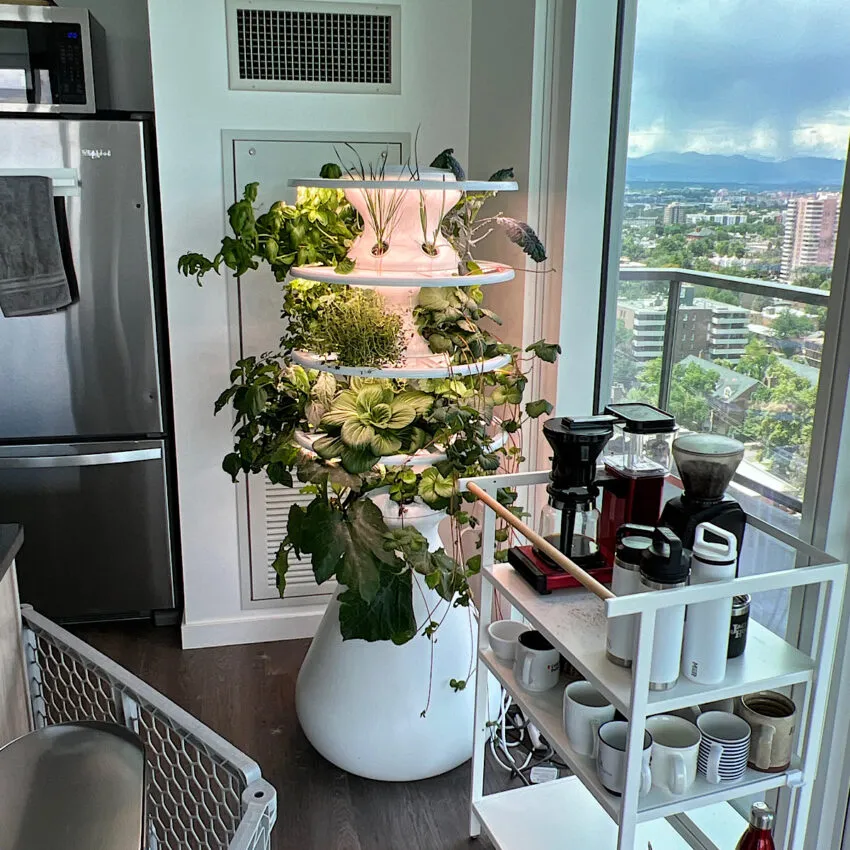
Imagine stepping into your kitchen and snipping fresh basil for your pasta, or grabbing a sprig of mint for your tea – all from a vibrant green wall just steps away. Creating a garden indoors might sound daunting, but with the right plant choices and a smart setup, building a low-maintenance indoor herb wall is surprisingly simple and incredibly rewarding. Vertical gardens are not just space-savers; they bring life, fragrance, and a constant supply of culinary delight into your home. Let’s explore how you can cultivate your own indoor haven of herbs with minimal fuss.
Why Choose a Low-Maintenance Indoor Herb Wall?
Living in an apartment or a home with limited outdoor space doesn’t mean you have to miss out on the pleasure of gardening. Indoor herb walls offer a fantastic solution, utilizing vertical space to grow a bounty of herbs. Choosing low-maintenance varieties ensures that you can enjoy the benefits without investing excessive time or effort. It’s perfect for busy individuals, beginners, or anyone looking for a touch of green without the commitment of high-maintenance plants. Plus, having fresh herbs readily available elevates your cooking and adds wonderful natural aromas to your living space.
Selecting Your Easy-Care Indoor Herbs
Not all herbs are created equal when it comes to indoor, low-maintenance vertical gardening. Some thrive with minimal intervention, making them ideal candidates for your project. We’ll focus on a few dependable favorites that are both flavorful and forgiving.
Mint
Mint is often the gateway herb for new gardeners, and for good reason! It’s incredibly vigorous and adaptable, making it a superstar for a low-maintenance indoor herb wall. Its rapid growth means you’ll have plenty to harvest regularly, encouraging bushier growth. Mint is also easy to propagate from cuttings, allowing you to expand your indoor garden effortlessly and cost-effectively.
- Scientific Name: Mentha spp. (many varieties)
- Common Name: Mint
- Zone: Suitable for indoor growing (typically hardy outdoors in zones 3-8, but grown as perennial indoors)
- Light: Bright, indirect light (prefers morning sun)
- Humidity: Moderate
- Water: Keep soil consistently moist
 Vibrant green mint leaves thriving indoors
Beyond its use in refreshing drinks, mint is a versatile culinary herb for both sweet and savory dishes and is often used for its soothing properties, such as aiding digestion. Its enthusiastic growth makes it perfect for frequent harvesting, providing a constant supply of fresh leaves.
Rosemary
A fragrant and hardy herb, Rosemary is an excellent choice for your indoor vertical garden, adding both beauty and utility. Unlike some more delicate herbs, Rosemary is quite resilient once established. Its needle-like leaves release a wonderful piney scent, adding a lovely aroma to your indoor space.
- Scientific Name: Salvia rosmarinus (formerly Rosmarinus officinalis)
- Common Name: Rosemary
- Zone: Suitable for indoor growing (typically hardy outdoors in zones 7-10)
- Light: Full sun (requires at least 6 hours of direct light indoors, may need grow lights)
- Humidity: Low to moderate
- Water: Let soil dry out slightly between waterings; avoid overwatering
 Close-up of fragrant Rosemary leaves with blurred background
Rosemary is a staple in many cuisines, particularly Mediterranean dishes. It’s also known for its potential health benefits and is sometimes used as a natural insect repellent (though less critically needed indoors). While it appreciates plenty of light, choosing a sunny spot near a window or supplementing with a grow light can help it flourish indoors.
Thyme
Thyme is another robust perennial herb that asks for very little in return for its aromatic leaves. Its low-growing, often trailing habit makes it perfect for spilling over the edges of pockets in a vertical garden setup. Thyme is remarkably drought-tolerant once established, which contributes significantly to its low-maintenance nature.
- Scientific Name: Thymus vulgaris (Common Thyme)
- Common Name: Thyme
- Zone: Suitable for indoor growing (typically hardy outdoors in zones 5-9)
- Light: Full sun to partial shade (prefers full sun indoors)
- Humidity: Low
- Water: Let soil dry out completely between waterings; very susceptible to root rot from overwatering
 Small, delicate Thyme leaves on stems
Prized for its earthy, slightly minty flavor, Thyme is used in countless savory dishes. Its ability to handle drier conditions makes it forgiving for beginners and a great fit for indoor environments where humidity might not be consistently high. Harvest by snipping sprigs to encourage more growth.
Essential Tips for Your Indoor Herb Wall
To ensure your low-maintenance indoor herb wall thrives, keep a few key things in mind:
- Light is Key: Even “low-maintenance” herbs need adequate light indoors. A south-facing window is ideal, but if natural light is limited, consider using LED grow lights. Proper light prevents leggy, weak growth.
- Watering Wisely: Vertical systems can sometimes dry out faster or stay too wet depending on the design. Check the soil moisture regularly, especially at the top and bottom pockets. Water thoroughly when needed, but allow the soil for herbs like Rosemary and Thyme to dry out between waterings to prevent root rot. Mint likes consistent moisture.
- Choosing the Right System: Look for vertical garden systems designed for indoor use with adequate drainage and water collection trays. This prevents mess and helps manage moisture levels.
- Good Drainage: Regardless of the system, ensure each planting pocket or container has drainage holes. This is crucial for preventing waterlogged soil, which is a common killer of indoor herbs.
- Air Circulation: Good airflow helps prevent fungal diseases. Avoid placing your wall in a stagnant corner.
- Feeding: Indoor plants benefit from occasional feeding. Use a diluted liquid fertilizer suitable for herbs every 4-6 weeks during the growing season (spring/summer).
- Harvest Regularly: Don’t be afraid to snip your herbs! Regular harvesting encourages the plant to produce more foliage, keeping your wall looking lush and productive.
Creating and maintaining a low-maintenance indoor herb wall is a rewarding endeavor. It brings the freshest ingredients right to your fingertips and adds a touch of green beauty to your home environment. With these easy-care herbs and simple tips, you’re well on your way to enjoying a thriving vertical garden year-round.
Ready to bring the joy of fresh, homegrown herbs into your home? Starting a low-maintenance indoor herb wall is easier than you think. Gather your materials, choose your favorite easy-care herbs like Mint, Rosemary, and Thyme, and get planting! Share your indoor garden journey in the comments below, or explore more tips and guides on creating your own green spaces right here on Thelittle.garden.