Urban farming holds the incredible promise of transforming concrete jungles into vibrant green spaces, bringing fresh produce right to your doorstep. Even with limited room, you can cultivate a thriving garden. This guide is packed with insights to help you unlock the full potential of your small urban plot.
Here are the key takeaways for maximizing your restricted urban gardening space:
- Utilize vertical dimensions with wall planters, hanging baskets, and trellises.
- Choose compact, high-yield, or cut-and-come-again plant varieties.
- Build healthy soil through composting, even in small bins.
- Implement water-saving techniques like drip irrigation or ollas.
- Strategically pair plants for natural pest control and boosted growth.
- Extend your harvest season with simple protective structures.
- Embrace the flexibility and mobility of container gardening.
Ready to turn that small balcony, patio corner, or rooftop into a productive oasis? Maximizing urban restricted-space gardening is achievable with clever planning and smart techniques. Forget the limitations; focus on the possibilities!
Designing Your Productive Pocket Garden
Transforming a small urban area into a lush, food-producing garden starts with understanding your space and how best to use every inch. Think strategically about sunlight, structure, and plant selection to ensure maximum yield from minimal footprint.
Assessing Your Space’s Potential and Sunlight
The first step in maximizing urban restricted-space gardening is knowing your environment. Spend a week observing your intended garden spot. Note how many hours of direct sunlight different areas receive throughout the day and how shadows from buildings shift. Most vegetables need at least 6 hours of sun, but some leafy greens and herbs can tolerate less. Understanding these patterns is crucial for plant placement.
Choosing Space-Efficient Growing Systems
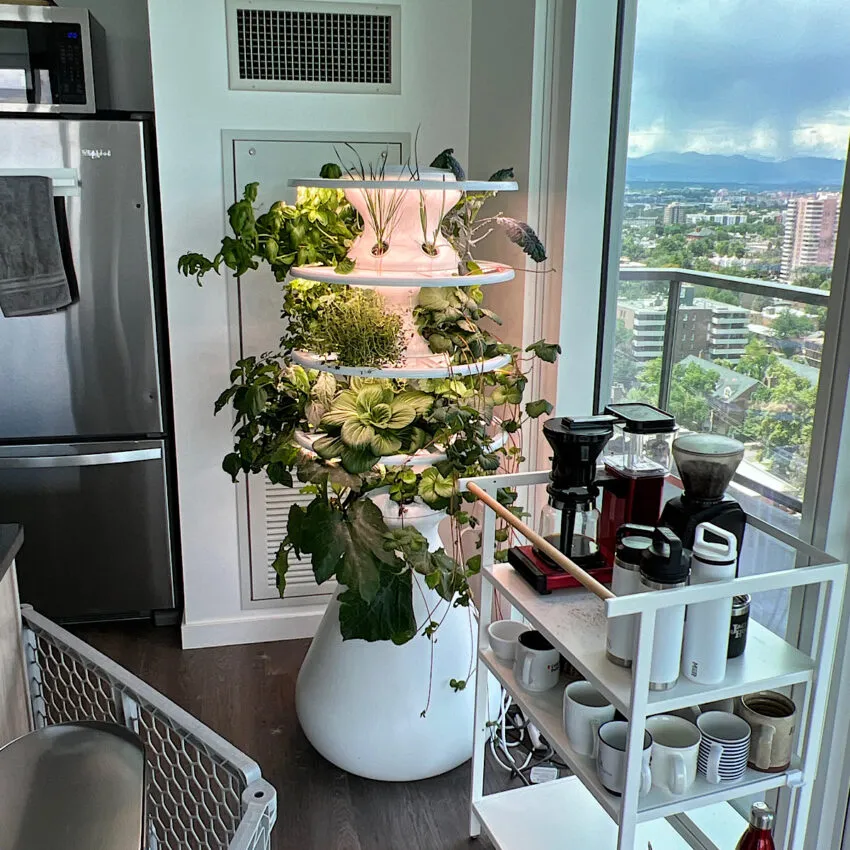
Urban gardening thrives on smart systems. Instead of spreading out, think about going up! Vertical gardens, like wall-mounted planters or pocket systems, turn bare walls into productive growing areas, perfect for herbs, lettuces, and small trailing plants. Container gardening offers immense flexibility, allowing you to move plants to follow the sun or protect them from harsh weather. Choose container sizes appropriate for the plants’ root needs – deeper pots for tomatoes, shallower for greens. Repurposing everyday items like buckets or crates can be a cost-effective way to get started.
Techniques for Thriving in Tight Spaces
Once you’ve assessed your space and chosen your systems, it’s time to implement practices that make your urban garden robust and productive. These techniques are specifically geared towards overcoming the challenges of limited space and creating a sustainable growing environment.
Going Vertical to Grow More
Vertical gardening is perhaps the most impactful way to achieve maximizing urban restricted-space gardening. By stacking plants or training them upwards on trellises or frames, you drastically increase your growing area without expanding horizontally. This works beautifully for climbing plants like cucumbers and pole beans, but also for strawberries cascading down a wall, or herbs and lettuces in vertical planters. It’s not just about food; a green wall can also enhance your space’s aesthetics and microclimate.
Building Healthy Soil Through Composting
Good soil is the foundation of any garden, and in urban settings, it’s often a resource you have to create. Composting kitchen scraps and garden waste directly in your urban space provides free, nutrient-rich soil amendment. Even in an apartment, a small worm bin can turn food waste into valuable vermicompost, significantly improving soil structure and fertility in your containers. This reduces waste and fuels healthy plant growth.
 Vermihut Plus 5-Tray Worm Composter
Smart Water Management for Sustainability
Water is a precious resource, especially in urban environments. Practicing smart water conservation is key to sustainable urban farming. Simple rain barrels connected to downspouts can collect rainwater for irrigation. Drip irrigation systems or ollas (unglazed clay pots buried in the soil that slowly release water) deliver moisture directly to the roots, minimizing evaporation and water waste compared to overhead watering. Mulching container soil also helps retain moisture.
 MIXC 230FT Drip Irrigation System Kit
Extending Your Harvest Season
Don’t let the weather dictate your harvest schedule. Simple season extension techniques can add weeks, even months, to your growing time. Cold frames, row covers, or small portable greenhouses create protected microclimates, allowing you to start seeds earlier in spring and harvest later into fall or even winter, further maximizing urban restricted-space gardening productivity year-round.
 Quictent Portable Mini Cloche Greenhouse
Creating Biodiversity with Companion Planting
Companion planting is a natural and effective way to manage pests and enhance plant health without chemicals, especially important in close urban quarters. Strategic plant pairings can deter unwanted insects, attract beneficial ones (like pollinators), and even improve soil or flavor.
Consider planting Basil near tomatoes.
- Scientific Name: Ocimum basilicum
- Common Name: Basil
- Zone: 4-11 (often grown as annual)
- Light: Full Sun
- Humidity: Moderate
- Water: Consistent moisture, well-drained soil
Basil is believed to repel tomato hornworms and flies while potentially enhancing the tomato’s flavor. Marigolds planted throughout the garden are known to deter nematodes and other soil pests. This creates a more resilient and balanced ecosystem in your small space.
 Natures Good Guys Beneficial Nematodes
Rotating Crops in Containers
Even in containers, practicing crop rotation helps prevent soil depletion and the buildup of plant-specific pests and diseases. Group your plants by family (e.g., nightshades, legumes, brassicas) and avoid planting the same family in the same container in consecutive seasons. This simple step maintains soil health and fertility, reducing the need for synthetic fertilizers and contributing to the long-term productivity of your container garden.
Selecting the Right Plants
Choosing the right plants is crucial when you have limited space. Focus on varieties known for high yields relative to their size, those that grow upwards, or plants that offer continuous harvests.
High-Yield and Compact Varieties
Look for “bush” varieties of beans or cucumbers instead of sprawling “pole” types if vertical space is limited. Compact tomato varieties, dwarf fruit trees suitable for containers, and leafy greens you can harvest leaf-by-leaf (cut-and-come-again) offer continuous production. Microgreens are perfect for the smallest spaces, providing nutrient-dense harvests in just a week or two, allowing for multiple cycles.
Herbs for Easy, Continuous Harvests
Herbs are urban gardening superstars. They thrive in containers, often require less space and maintenance than vegetables, and provide flavorful harvests repeatedly. Basil, mint, parsley, cilantro, thyme, and chives are excellent choices for small pots on a windowsill or balcony railing.
Consider Mint for a corner pot.
- Scientific Name: Mentha (various species)
- Common Name: Mint
- Zone: 3-11 (depending on species)
- Light: Full Sun to Partial Shade
- Humidity: Moderate
- Water: Moist soil
Mint is vigorous and best kept in a container to prevent it from spreading aggressively.
Connecting and Growing Together
Urban farming isn’t just about individual plots; it’s also about community. Participating in local community gardens or connecting with other urban growers can provide access to shared tools, resources, and invaluable knowledge exchange. These connections foster resilience and help spread the joy and benefits of city growing.
Your Urban Garden Journey
Maximizing urban restricted-space gardening is an exciting and rewarding endeavor. By implementing these practices – going vertical, building healthy soil, conserving water, extending seasons, planting wisely, and connecting with others – you can overcome the challenges of limited space and enjoy a bountiful harvest right in your city home.
Start small, experiment with different techniques and plants, and don’t be afraid to get creative. Every pot, balcony railing, and wall can become a part of your productive urban oasis. Your efforts contribute to a greener, more sustainable, and food-secure urban future.
Explore more tips and inspiration on Thelittle.garden and share your own urban gardening successes in the comments below!