- Struggling to keep indoor plants alive? You’re not alone.
- Traditional watering methods can lead to common pitfalls like over or under-watering.
- Self-watering indoor planters offer a simple, effective solution for consistent plant hydration.
- They empower even novice gardeners to achieve thriving indoor plants with less effort.
Have you ever looked at a sad, droopy houseplant and felt a pang of guilt? Perhaps you’ve tried your best, researched plant needs, scheduled watering reminders, and still ended up with crispy leaves or mushy roots. It’s a common story, and for many, it leads to the conclusion that they simply don’t have a “green thumb.” But what if the problem wasn’t you, but the watering method? Enter self-watering indoor planters, a surprisingly simple innovation that can turn your plant struggles into gardening successes. These clever pots take the guesswork out of hydration, allowing your leafy companions to drink exactly when and how much they need, leading to healthier, happier plants and a lot less stress for you.
Why Self-Watering Planters Are a Game Changer for Indoor Gardening
For many plant lovers, the biggest hurdle isn’t lack of affection, but mastering the delicate balance of watering. Too much, and you risk root rot; too little, and the plant wilts away. It’s a constant battle of checking soil moisture and remembering schedules. This is where self-watering indoor planters shine.
Overcoming the Watering Struggle
Think about the last plant you accidentally sent to the great compost pile in the sky. Was it from forgetting to water for weeks while you were away? Or perhaps giving it too much love after seeing it droop, effectively drowning it? Traditional potting often requires frequent, manual intervention that’s hard to get perfectly right, especially with varying temperatures, humidity levels, and plant sizes. The personal journey of someone who struggled with supposedly unkillable plants, only to find success with a simple Pothos in a self-watering pot, isn’t just a testament to one product – it highlights how fundamentally self-watering technology addresses the core challenge of inconsistent watering.
How They Work: A Simple, Effective System
The beauty of self-watering indoor planters lies in their elegant design. Most feature a two-part system: an inner pot where the plant sits with its soil, and an outer reservoir that holds water. A wick or a raised grid at the bottom of the inner pot allows the plant’s roots to access the water in the reservoir as needed, drawing it up through capillary action. This mimics how plants hydrate in nature, pulling moisture from the surrounding soil moisture rather than being flooded from above.
All you need to do is fill the reservoir, and the plant takes care of the rest. The frequency of refills depends on the plant, the pot size, and environmental conditions, but it’s often significantly less frequent than traditional watering – sometimes just once a week or even less.
 White ceramic self-watering indoor planter with a thriving Pothos plant
Key Benefits for Busy Lives and Happy Plants
- Consistent Moisture: Plants receive a steady supply of water, preventing the stress of drought-then-flood cycles.
- Prevents Over and Under-Watering: The plant controls its water intake, drastically reducing the risk of root rot or dehydration.
- Ideal for Travel or Busy Schedules: Fill the reservoir before you leave, and your plants can often manage themselves for days or even weeks.
- Deep Root Growth: Roots are encouraged to grow downwards towards the water source, leading to a stronger root system.
- Reduced Pest Issues: Surface soil stays drier, which can help deter certain pests like fungus gnats that thrive in moist topsoil.
Choosing the Right Plants for Self-Watering Planters
While self-watering planters are fantastic, they aren’t a one-size-fits-all solution. Some plants are perfectly suited to this consistent moisture, while others will protest.
Plants That Thrive
Plants that naturally prefer consistently moist soil, or those that are forgiving about watering, often do very well.
- Pothos (Epipremnum aureum): As highlighted by the personal success story, Pothos is an excellent candidate. It tolerates various light levels and appreciates steady moisture without being waterlogged.
- Spider Plants (Chlorophytum comosum): These adaptable plants enjoy consistent moisture.
- African Violets (Saintpaulia spp.): Known for being sensitive to top watering, African Violets flourish with bottom watering systems like those in self-watering pots.
- Ferns: Many fern varieties prefer evenly moist soil.
- Peace Lilies (Spathiphyllum spp.): These dramatic plants will tell you immediately when they’re thirsty by drooping, but they prefer consistent moisture.
Plants to Avoid
Plants that prefer their soil to dry out completely between waterings are generally not good candidates for standard self-watering systems.
- Cacti and Succulents: These desert dwellers store water in their leaves and roots and require a dry period to prevent rot.
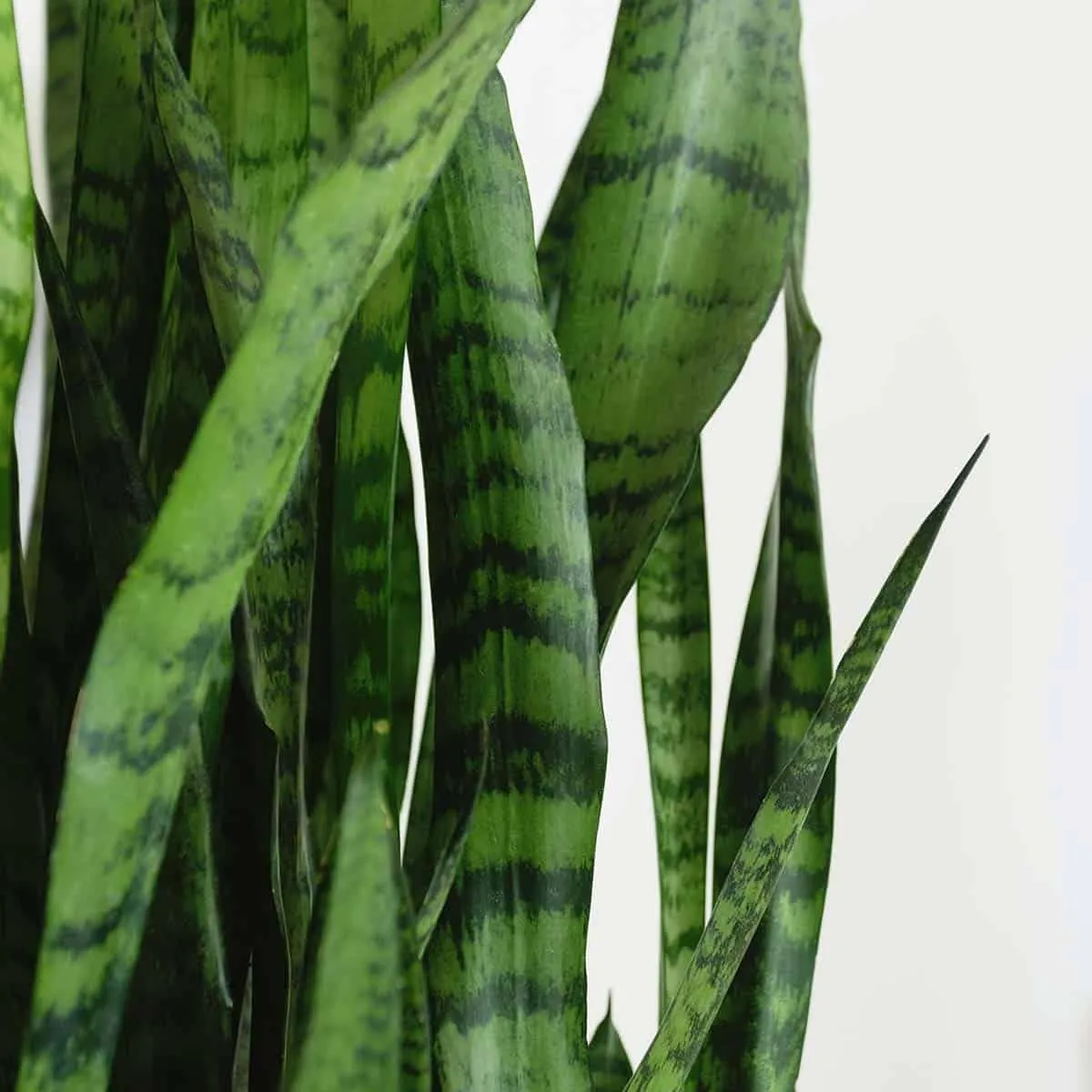
- Snake Plants (Sansevieria spp.): While tough, they are very susceptible to root rot if the soil stays wet.
- ZZ Plants (Zamioculcas zamiifolia): Similar to Snake Plants, they store water in rhizomes and need soil to dry out.
- Orchids: Most common indoor orchids (like Phalaenopsis) are epiphytic and need excellent drainage and airflow around their roots, not constant moisture.
Caring for Your Plants in a Self-Watering Planter
Switching to a self-watering pot is easy, but there are a few nuances to ensure your plant thrives.
Initial Setup
When repotting into a self-watering planter, make sure the soil level allows the roots to reach the wicking system at the bottom or fill the pot sufficiently if it uses a grid system. Use a good quality potting mix that drains well but also retains some moisture. Avoid using too much perlite or coarse bark in the bottom layer, as this can interfere with wicking.
Monitoring Water Levels
The main task is simply checking the water reservoir. Many planters have a visual indicator, or you can simply lift the inner pot (if it’s a two-part system) to see the water level. Refill the reservoir when it’s low or empty. For many plants, checking weekly is a good starting point, adjusting based on how quickly the reservoir empties.
Fertilizing
Fertilizing can be done by adding diluted liquid fertilizer to the reservoir. However, because the plant is constantly pulling water from the bottom, salts from the fertilizer can build up. It’s a good idea to occasionally “flush” the pot by watering thoroughly from the top until water drains out, which helps wash away excess salts. Reduce fertilizing frequency compared to traditional potting.
When and How to Water Traditionally
Even with a self-watering system, occasionally watering from the top can be beneficial to ensure the upper soil layers remain healthy and to help flush out mineral salts. You might do this once a month, or if you notice the topsoil seems excessively dry while the reservoir is full (which could indicate a wicking issue or packed soil).
Featured Plant Spotlight: Pothos (Epipremnum aureum)
As mentioned in the personal story, Pothos is a fantastic, low-maintenance choice for self-watering planters.
- Scientific Name: Epipremnum aureum
- Common Name: Pothos, Devil’s Ivy, Golden Pothos, Hunter’s Robe
- Zone: 10-11 (primarily grown indoors as a houseplant)
- Light: Highly adaptable; thrives in bright, indirect light but tolerates medium to low indirect light. Avoid direct sun.
- Humidity: Tolerates average household humidity but appreciates higher levels.
- Water: In a self-watering planter, ensure the reservoir has water available. Allow the reservoir to potentially dry out for a day or two between refills to prevent the soil from constantly being saturated, which can still be an issue for some plants even in these pots. Standard advice is to let the top inch or two of soil dry before watering, which roughly translates to refilling the reservoir when needed.
Conclusion
Saying goodbye to constant watering worries is possible! Self-watering indoor planters offer a simple, effective technology that makes keeping plants alive and thriving significantly easier. Whether you’re a busy professional, a frequent traveler, or someone who believes they lack a green thumb, these clever pots can help you cultivate a lush indoor jungle. By choosing the right plants and following a few simple care tips, you can enjoy the beauty and benefits of indoor plants without the stress of getting watering just right every time.
Have you tried self-watering planters? What are your favorite plants to grow in them? Share your experiences in the comments below! And if you’re ready to explore more effortless gardening solutions or discover other easy-care plants, browse our other articles and resources.