Succulents are resilient beauties, often thriving on neglect. But did you know that a little extra love in the form of fertilizer can unlock their full potential, leading to more vibrant colors, healthier growth, and even blooms? If you’re wondering about the best way to feed your arid-loving friends, understanding a proper succulent fertilizer schedule is key.
Here’s what you’ll discover about nurturing your succulents with fertilizer:
- Fertilizing during the growing season (Spring to late Summer) provides essential nutrients plants need.
- A low-nitrogen fertilizer is crucial to prevent legginess and maintain compact shapes.
- Liquid fertilizers are generally preferred for easy control over dosage.
- Diluting fertilizer to a weaker strength is vital – less is always more!
- Avoid fertilizing during dormancy (Fall/Winter).
- Finding the perfect schedule might involve a little trial and error based on your specific conditions.
So, you’ve got these amazing, low-maintenance plants that seem to survive on sunshine and minimal water. Why bother with fertilizer? Think of it as giving them a power-up! While they store water and nutrients efficiently, the soil in pots can become depleted over time, especially if you don’t repot annually. Providing supplemental nutrients through a smart succulent fertilizer schedule ensures your plants have everything they need to truly thrive, not just survive. Let’s dive into how to give your succulents the boost they deserve!
Why Fertilizing Succulents Matters
While succulents are famously tough, they still need nutrients to grow strong, develop vibrant colors, and even flower. When they’re grown in pots, the limited amount of soil can quickly run out of essential elements. Fertilizing replenishes these nutrients, directly contributing to:
- Enhanced Growth: Providing nutrients during their active growing phase allows them to put on healthy new growth.
- Vivid Coloration: Adequate phosphorus and potassium can intensify the stunning hues that make succulents so popular.
- Increased Health & Vigor: Stronger plants are more resistant to pests and diseases.
- Encouraging Blooms: Some nutrients, particularly phosphorus and potassium, are vital for flower development in blooming succulent varieties.
Just like any living thing, a balanced diet helps them reach their full potential!
Understanding the N-P-K Ratio for Succulents
Plant fertilizers are typically labeled with three numbers, representing the percentage of Nitrogen (N), Phosphorus (P), and Potassium (K) by weight. This is the N-P-K ratio. Each element plays a vital role:
- Nitrogen (N): Primarily supports leafy, vegetative growth.
- Phosphorus (P): Essential for root development, flowering, and fruiting.
- Potassium (K): Helps with overall plant health, disease resistance, water regulation, and sturdy stems.
For succulents, the golden rule is low nitrogen. Too much nitrogen encourages rapid, often weak, leafy growth. This can cause your beautiful, compact rosettes to stretch out and become “leggy” (a condition called etiolation) as the plant rapidly grows taller searching for light. You want a fertilizer where the first number (N) is lower than the other two (P and K). A ratio like 1-2-2, 5-10-10, or similar would be suitable, or even a balanced one heavily diluted.
When is the Best Time to Fertilize? Your Succulent Fertilizer Schedule
Timing is everything when it comes to feeding your succulents. The absolute best time to fertilize is during their active growing season. For most common succulents, this is typically Spring and Summer. This is when they are actively putting out new leaves, stems, and sometimes preparing to bloom.
Conversely, you should never fertilize succulents during their dormancy period, which is usually Fall and Winter for most varieties. During dormancy, their growth slows down significantly, and they don’t need the extra nutrients. Fertilizing dormant plants can confuse their system, disrupt their natural cycle, and potentially lead to root issues or weak, untimely growth.
So, your basic succulent fertilizer schedule should look something like this:
- Spring: Begin fertilizing as the weather warms up and you see signs of new growth.
- Summer: Continue fertilizing throughout the summer months.
- Fall: Stop fertilizing as temperatures cool and days shorten.
- Winter: No fertilizer needed.
How often within the growing season? A general guideline, often recommended and one that has worked well for my own collection, is to fertilize once a month during the Spring and Summer. Some growers fertilize less frequently, like once every other month. The key is consistency during the growing season and stopping completely during dormancy.
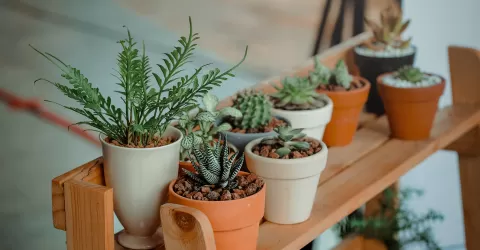
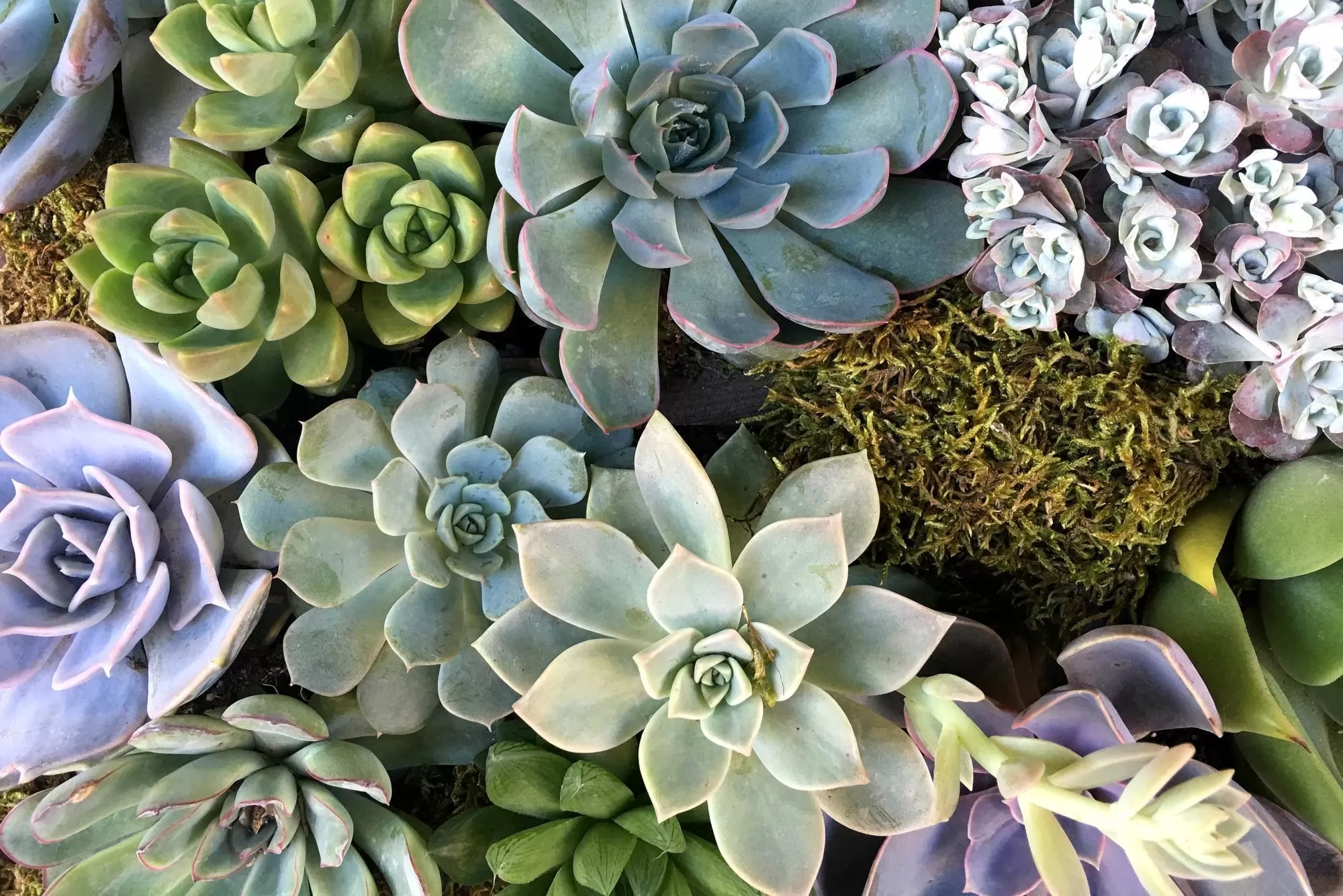
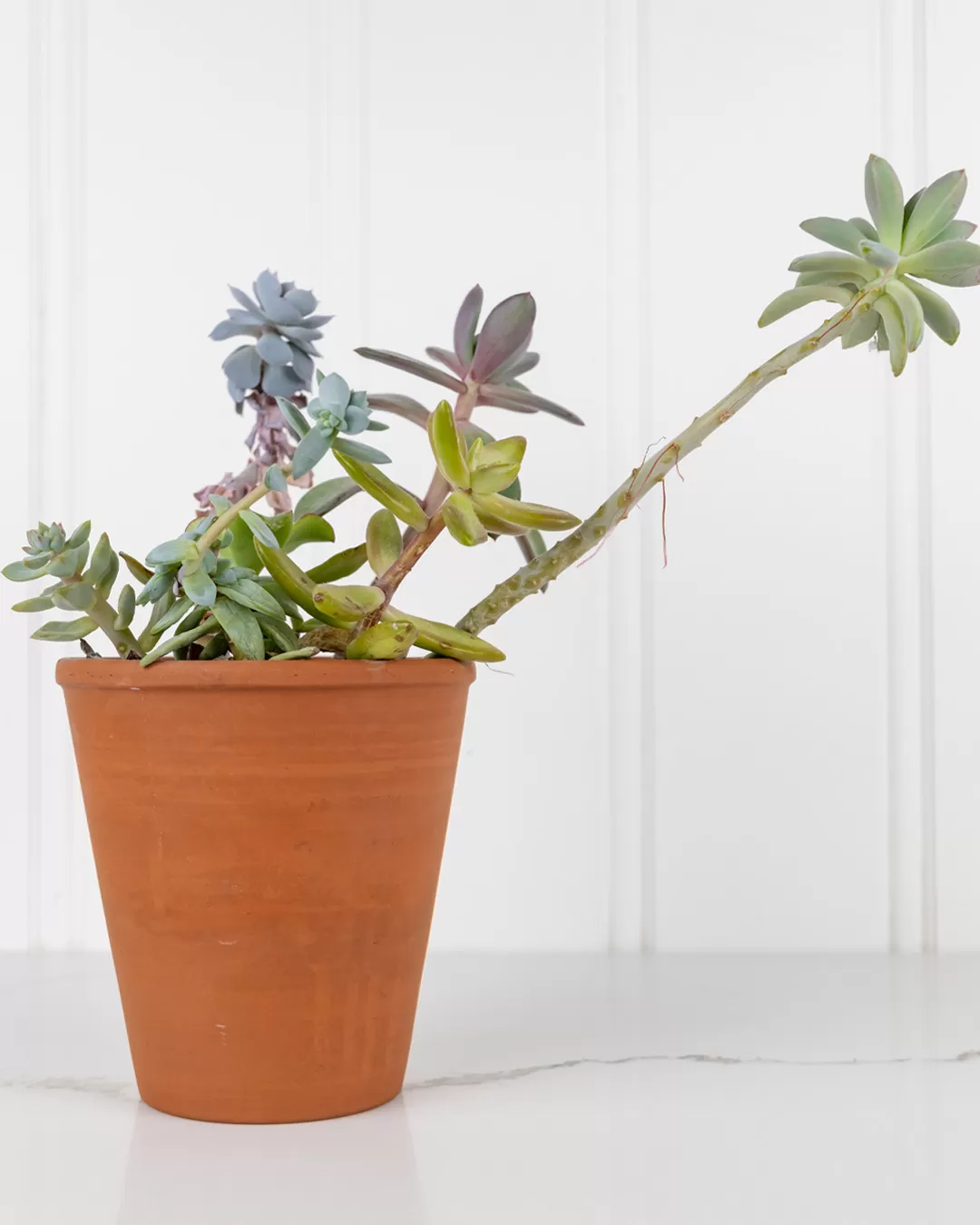
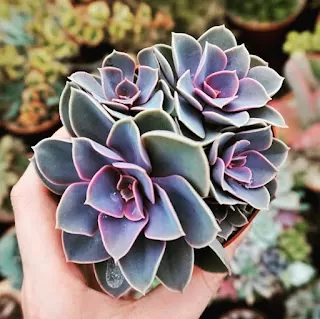 Healthy, compact succulent rosettes thriving
Choosing the Right Succulent Fertilizer
The market offers various fertilizer options, but not all are created equal for succulents.
Liquid Fertilizers
Liquid fertilizers are often the preferred choice for succulents because they offer precise control over the concentration and are immediately available to the plant’s roots.
- Ready-made Succulent Fertilizers: These are formulated specifically for succulents and cacti, usually with a low nitrogen content. If you choose one, simply follow the instructions on the package for dilution and frequency, keeping in mind the ‘growing season only’ rule.
- Diluted General Fertilizers: You don’t have to buy a specialized succulent fertilizer. Many gardeners find success using a balanced houseplant fertilizer or even a flowering plant fertilizer (which is often higher in P and K). The crucial part is dilution.
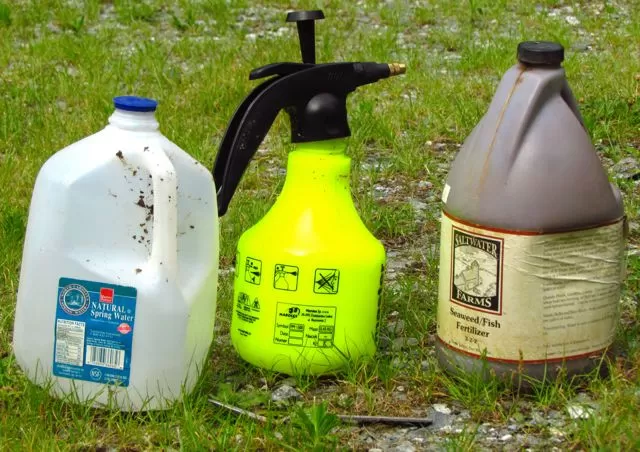
My personal trick, which I stumbled upon and has yielded fantastic results for my potted collection, is using a liquid tomato fertilizer. Why tomato feed? Because it’s typically higher in potassium (potash) than nitrogen, designed to promote flowering and fruiting rather than just leafy growth. I dilute it much more than recommended for tomatoes – usually to about one-quarter strength of what the package suggests for other plants. Using this diluted tomato feed once a month during Spring and Summer has led to incredibly even, sturdy growth in my succulents, maintaining their tight rosette shapes and enhancing their colors beautifully. My cacti have also responded wonderfully, producing abundant, strong blooms since I started this regimen.
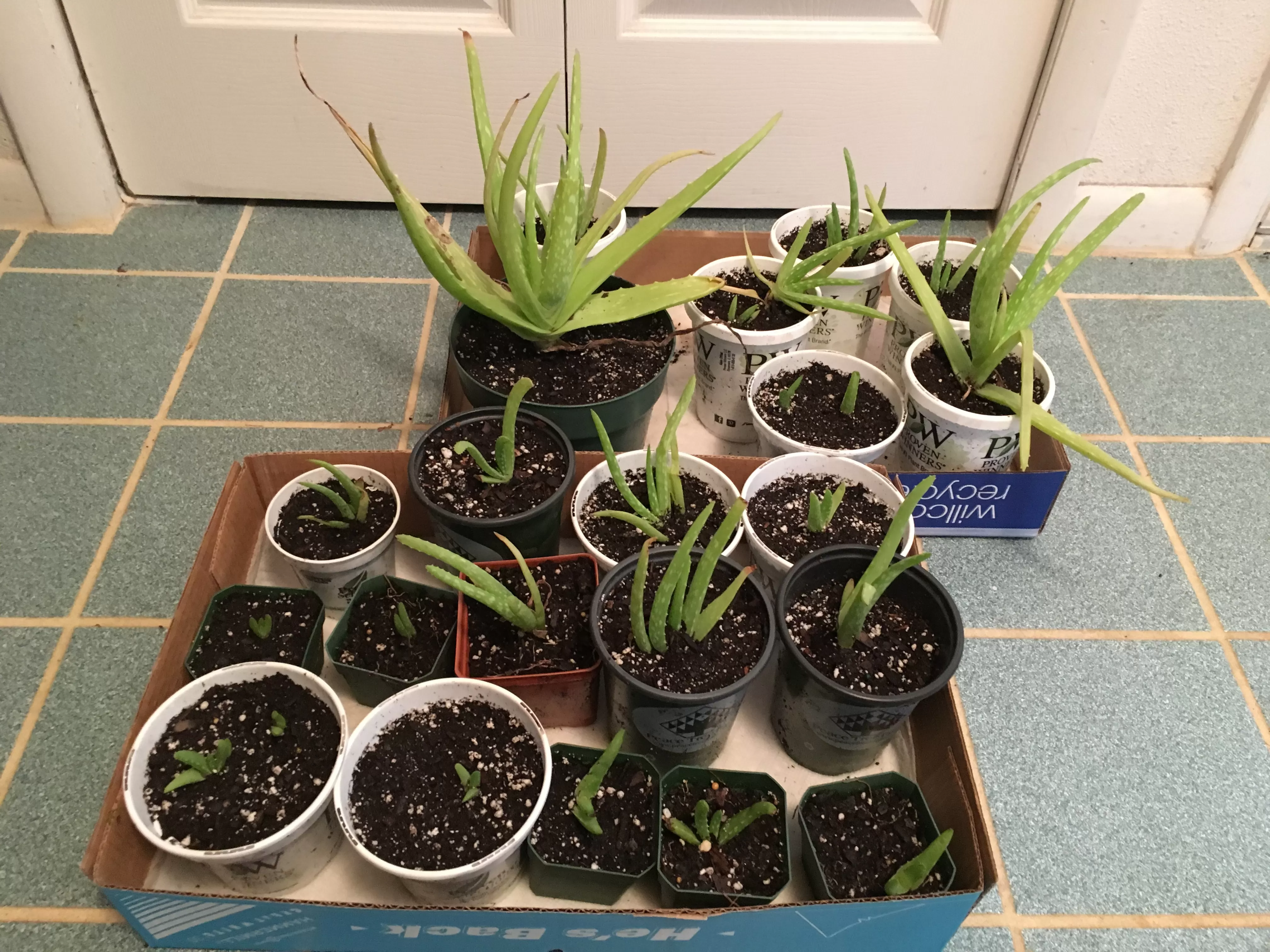
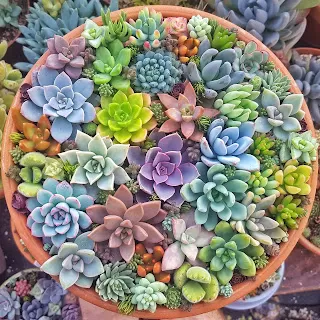 Succulent pots showing growth after using a specific feeding routine
Granular / Slow-Release Fertilizers
Slow-release pellets are another option, but I tend to steer clear of them for succulents. Because they release nutrients over a long period as they break down in the soil, they can pose a couple of risks:
- Root Burn: If the pellets are placed too close to the succulent’s roots, the concentrated nutrients can cause damage.
- Winter Fertilization: Slow-release fertilizers continue to release nutrients regardless of the plant’s dormancy. This means your succulents could be getting fed right through their resting period in Fall and Winter, disrupting their natural cycle and potentially leading to weak, stretched growth, especially if they are receiving less light indoors during winter.
For these reasons, the controlled application of liquid fertilizer during the growing season is generally a safer bet for succulents.
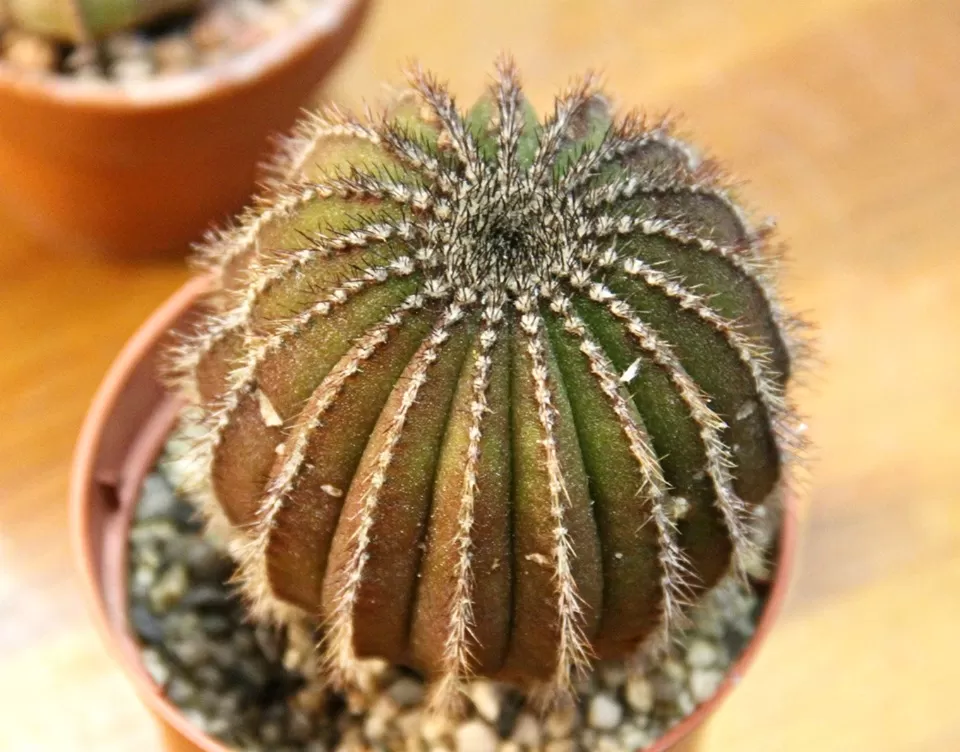
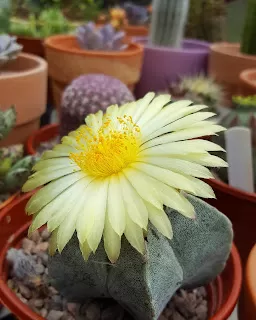 Blooming cactus displaying vibrant flower color
How to Apply Succulent Fertilizer
Applying fertilizer correctly is just as important as choosing the right type and timing.
- Dilute, Dilute, Dilute: I can’t stress this enough! Always dilute liquid fertilizer to at least half or even quarter strength of what’s recommended for other plants. Succulents are not heavy feeders, and too much can cause significant damage.
- Water First: Always water your succulents thoroughly before applying fertilizer. Applying fertilizer to dry soil can shock the roots and cause burn. Wait an hour or two after watering, then apply the diluted fertilizer solution instead of the usual watering.
- Apply to Soil: Pour the diluted fertilizer solution directly onto the soil, avoiding getting it on the leaves or into the rosettes, especially for powdery or fuzzy varieties where moisture can cause rot or ruin the farina coating.
Less is More: Avoiding Over-Fertilization
This is arguably the most critical piece of advice. When in doubt, use less fertilizer, or fertilize less often. Succulents can easily be killed or damaged by too much fertilizer, whereas they are quite forgiving of too little (though growth may be slower).
Signs of over-fertilization include:
- Rapid, weak, spindly growth.
- Leaf tips or edges turning brown and crispy (fertilizer burn).
- Salt buildup on the soil surface.
- General decline in health.
If you suspect over-fertilization, flush the soil thoroughly with plain water several times to wash out excess salts.
Finding Your Perfect Schedule
Like many aspects of gardening, finding the absolute perfect succulent fertilizer schedule can involve a little trial and error. Your climate, the type of succulent, the potting mix you use, and how often you repot will all influence the ideal frequency and strength.
Start with a weak dilution (quarter strength) and fertilize once a month during the Spring and Summer. Observe your plants. Are they showing healthy, compact growth? Are the colors vibrant? If they seem happy, you’ve likely found a good rhythm. If growth is slow or they seem lackluster despite adequate light and water, you might consider slightly increasing the frequency (still staying within the growing season) or slightly increasing the strength of the dilution next season, but proceed with caution.
Conclusion
Implementing a simple succulent fertilizer schedule during the active growing season (Spring and Summer) can truly elevate your succulent game, resulting in healthier, more colorful, and more prolific plants. Remember the key principles: use a low-nitrogen liquid fertilizer, dilute it significantly, apply to moist soil, and fertilize about once a month. Avoid fertilizing during their winter dormancy. Start conservatively, observe your plants closely, and adjust as needed.
Have you tried fertilizing your succulents? What has worked best for you? Share your experiences and tips in the comments below! And don’t forget to explore other articles on The Little Garden for more plant care insights and inspiration!