- Discover the visual appeal of mixing cacti with different textures.
- Learn how texture adds depth and interest to your garden or container arrangements.
- Explore various types of cacti based on their unique surface qualities.
- Get essential tips for selecting, combining, and caring for your textured cacti mixes.
Just like artists appreciate the play of light and shadow on varied surfaces, gardeners can find immense joy in the tactile and visual richness of plants. Cacti, often seen as simple forms, are actually masters of texture – from the dense spines of a barrel cactus to the smooth pads of a prickly pear or the deep ridges of a columnar variety. Combining these diverse forms creates captivating textured cacti mixes that transform simple pots or garden beds into living sculptures. Let’s explore how to design and care for these fascinating arrangements that bring the dramatic beauty of the desert landscape right to your home.
Why Texture Matters in Garden Design
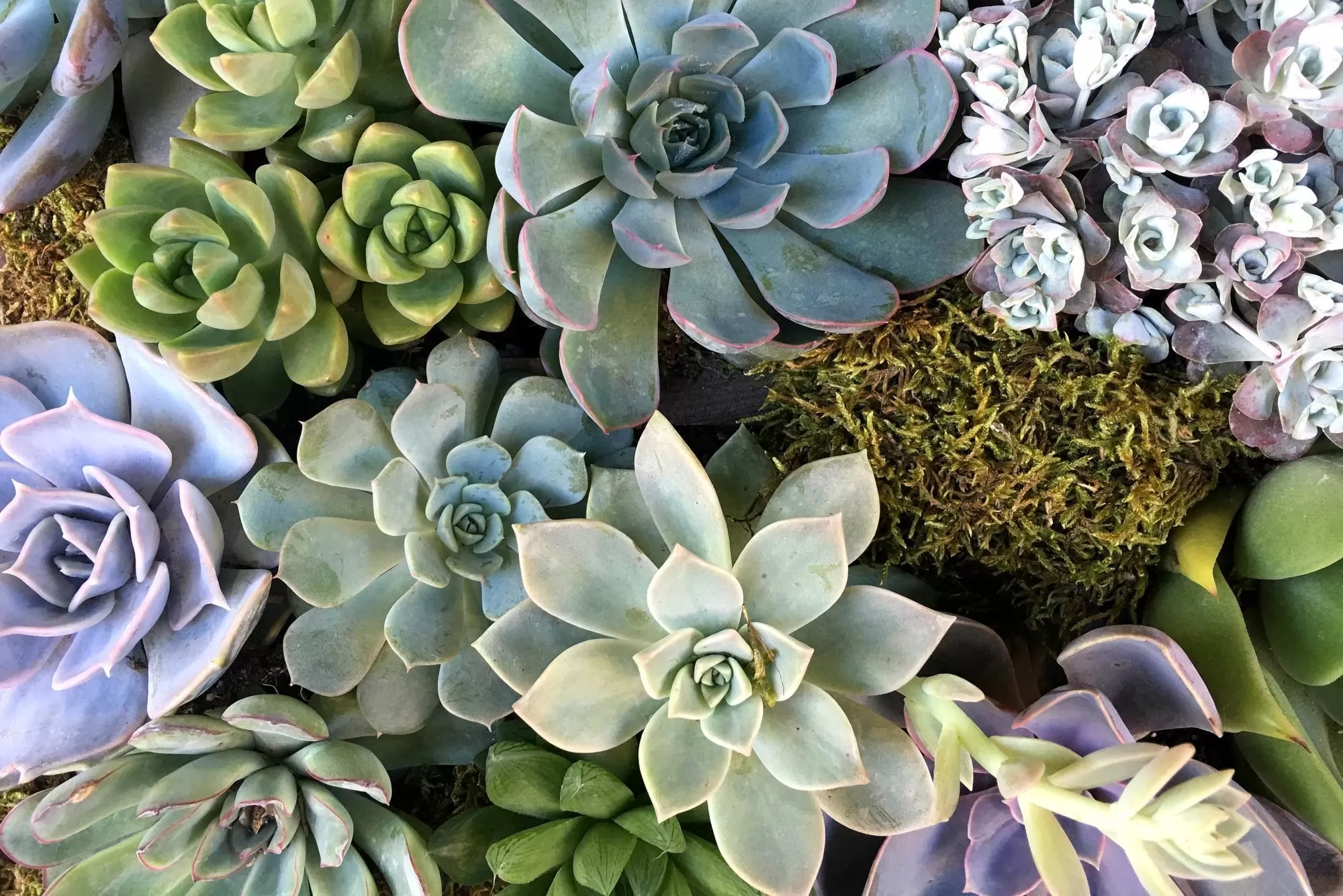
When we plan a garden or even a single container, we often think first about color. But texture is equally, if not more, important for creating depth and visual interest, especially in drought-tolerant or minimalist plantings like those featuring cacti. Varying textures prevents a planting from looking flat or monotonous. The contrast between rough spines, smooth skin, fuzzy coverings, and sharp angles draws the eye and encourages closer inspection. Textured cacti mixes leverage this principle, using the plants’ inherent surface qualities as primary design elements.
 Collection of painted cacti displaying diverse shapes and suggested textures for garden inspiration
Discovering Textured Cacti Varieties
The world of cacti offers an incredible array of textures. Thinking about these qualities can guide your selection process when creating textured cacti mixes.
Spiky & Spiny Wonders
These are perhaps the most iconic textured cacti. Their spines can range from fine and hair-like to thick and formidable. Think of the classic Barrel Cacti (like Ferocactus species) with their rows of hooked or straight spines, or the numerous Hedgehog Cacti (Echinocereus) known for their dense spination and often vibrant flowers. These add a bold, sometimes intimidating, but always fascinating texture.
Ribbed & Sculptural Forms
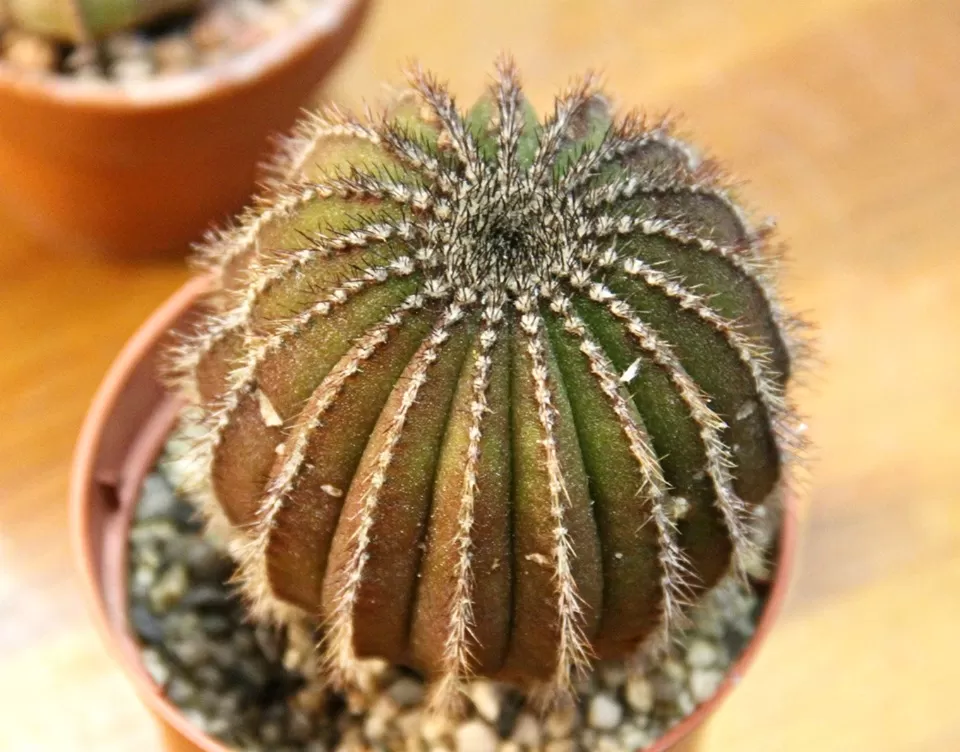
Many columnar and globular cacti feature prominent ribs. These structural lines create strong vertical or spherical patterns, casting natural shadows that highlight their form. Species like San Pedro (Echinopsis pachanoi) or various Cereus types showcase distinct ribs. The texture here is less about the spine density and more about the sculpted surface of the plant body itself.
 Watercolor painting highlighting light and shadow on textured cactus forms, inspiring creative planting mixes
Fuzzy & Hairy Beauties
Not all cacti textures are sharp! Some species boast soft, woolly, or hairy coverings. The Old Man Cactus (Cephalocereus senilis) is a prime example, covered in long, white hairs that give it a unique, almost fluffy appearance. These offer a stark contrast to their spiny cousins and can add a touch of unexpected softness to a mix.
Bumpy & Unique Skins
Beyond spines, ribs, and hairs, some cacti have fascinating patterns or bumps on their surface. Certain Mammillaria species have tubercles arranged in geometric patterns, often with small spines emerging from each one. Others, like some Opuntia (Prickly Pear) pads, have a relatively smooth surface punctuated by clusters of small, barbed bristles called glochids (still textured, but differently spiny!).
 Detail of a painted ribbed cactus emphasizing texture, useful for understanding different cacti forms for textured mixes
Crafting Your Perfect Textured Cacti Mix
Creating a beautiful textured cacti mix is like composing a living piece of art. Consider these points when combining plants:
Choosing Your Container
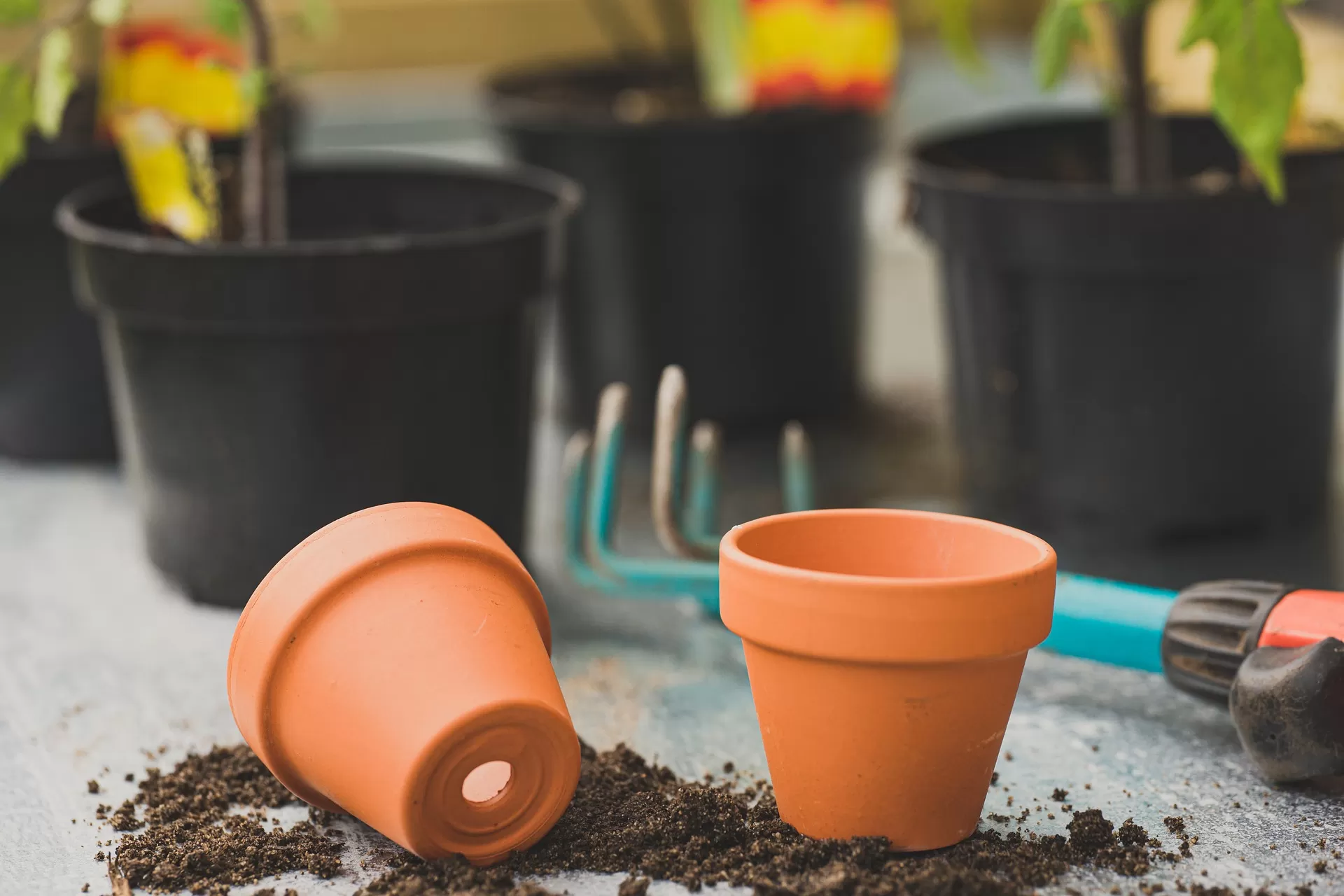
Select a container with adequate drainage holes. Terracotta pots are excellent as they allow the soil to dry out quickly, which is vital for cacti. Size should be appropriate for the plants, allowing a little room for growth but not so large that the soil stays wet for too long.
Selecting Companion Cacti
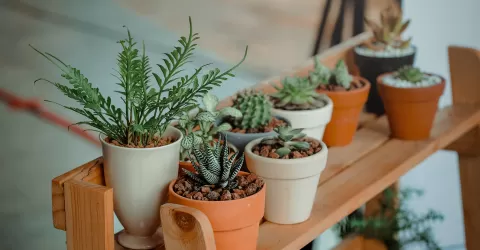
Choose cacti with complementary textures, shapes, and sizes. Combine a tall columnar form with a low-growing globular type or a spreading Opuntia. Mix spiny textures with ribbed or fuzzy ones for dynamic contrast. Also, ensure the selected species have similar light and watering needs to thrive together.
 Painting of a segmented cactus illustrating surface patterns, a key element in creating textured cacti mixes
Layering for Visual Depth
Place taller cacti towards the back or center of the container and shorter or trailing varieties towards the front or edges. Grouping different textures together enhances their individual qualities. Think about how light will hit the different surfaces at various times of the day, highlighting the textures.
 Diverse group of painted cacti showing various shapes and textures for a dynamic container garden mix
Essential Care for Textured Cacti Mixes
While cacti are often low-maintenance, they still have specific needs to flourish, especially when grouped in a mix.
The Right Potting Mix is Crucial
This is perhaps the most important factor. Cacti require extremely well-draining soil. A standard potting mix holds too much moisture and can lead to root rot. Use a specialized cactus and succulent mix, or create your own by amending regular potting soil with inorganic materials like perlite, pumice, coarse sand, or gravel. The goal is a mix that drains almost instantly.
Watering Wisely
The biggest mistake in cactus care is overwatering. Allow the soil to dry out completely between waterings. The frequency depends on temperature, humidity, and light, but it’s always better to underwater than overwater. Water thoroughly until it drains from the bottom, then wait until the soil is bone dry again. Reduce watering significantly during their dormancy period, usually in winter.
 Painted barrel cactus emphasizing dense spine texture, inspiring bold choices for textured succulent arrangements
Light Requirements
Most cacti need plenty of bright light, often direct sun. Place your textured cacti mixes in a location where they will receive at least 6 hours of sunlight daily. Some species might prefer afternoon shade in scorching climates, so check the specific needs of the cacti in your mix. Insufficient light can lead to etiolation (stretching) and weaker growth, impacting their texture and form.
Temperature & Humidity
Cacti are generally tolerant of heat and low humidity, mimicking their native desert environments. However, their cold tolerance varies greatly depending on the species. Know the hardiness zones of the cacti in your mix and protect them from frost if necessary.
 Painting of a prickly pear cactus pad highlighting smooth and spiny textures, useful for mixed planting designs
Troubleshooting Common Issues
Even with the best care, you might encounter problems.
Pests & Diseases
Overwatering is the primary cause of root rot, a fungal disease that can quickly kill cacti. Ensure proper drainage and watering practices. Pests like mealybugs and scale can sometimes affect cacti; inspect plants regularly and treat with insecticidal soap or rubbing alcohol if infestations occur.
Under/Overwatering Signs
An underwatered cactus may appear shriveled or deflated. An overwatered cactus will feel soft or mushy, especially near the base, and may show signs of discoloration (yellowing or blackening), indicating rot.
 Detail showing artistic techniques used to represent cactus texture, relatable to appreciating real plant textures for garden mixes
Conclusion
Creating textured cacti mixes is a rewarding way to explore the subtle yet striking beauty of these resilient plants. By combining varieties with different spines, ribs, hairs, and forms, you can design dynamic, visually appealing arrangements that evoke the spirit of the desert. Pay close attention to their specific needs, especially providing the right, well-draining potting mix and careful watering, and your textured cactus garden will thrive, offering year-round interest and a touch of sculptural elegance.
What are your favorite textured cacti to include in a mix? Share your experiences and ideas in the comments below! Explore more articles on succulent and arid garden design on our site for further inspiration.