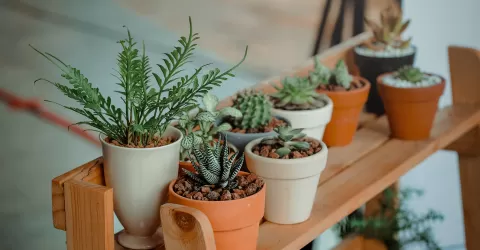
- Transforming a small balcony into a lush garden is achievable.
- Succulents are ideal candidates for tiny spaces due to their size, low-maintenance needs, and drought tolerance.
- Choosing the right succulents depends on your balcony’s sunlight exposure.
- Proper potting, watering, and placement are key to succulent success on a balcony.
- Get creative with pots and vertical displays to maximize your limited space.
Don’t let a tiny balcony dim your gardening aspirations! That compact outdoor space is brimming with potential, and one of the easiest ways to unlock it is by embracing the wonderful world of succulents. These charming, low-maintenance plants are perfectly suited for life in pots and containers, making them an absolute dream for anyone working with limited square footage. If you’ve ever thought creating a green retreat felt out of reach because you don’t have a sprawling backyard, think again! Succulents for tiny balconies offer a simple, rewarding path to your own little piece of paradise.
Why Succulents Are Your Balcony’s Best Friend
Succulents are nature’s answer to busy lives and small spaces. Their unique ability to store water in their leaves, stems, or roots makes them incredibly drought-tolerant – perfect for balconies that might get forgotten during a busy week or experience rapid drying in pots. But their appeal goes beyond just resilience.
- Compact Size: Many popular succulent varieties stay relatively small, fitting beautifully into tiny pots and containers.
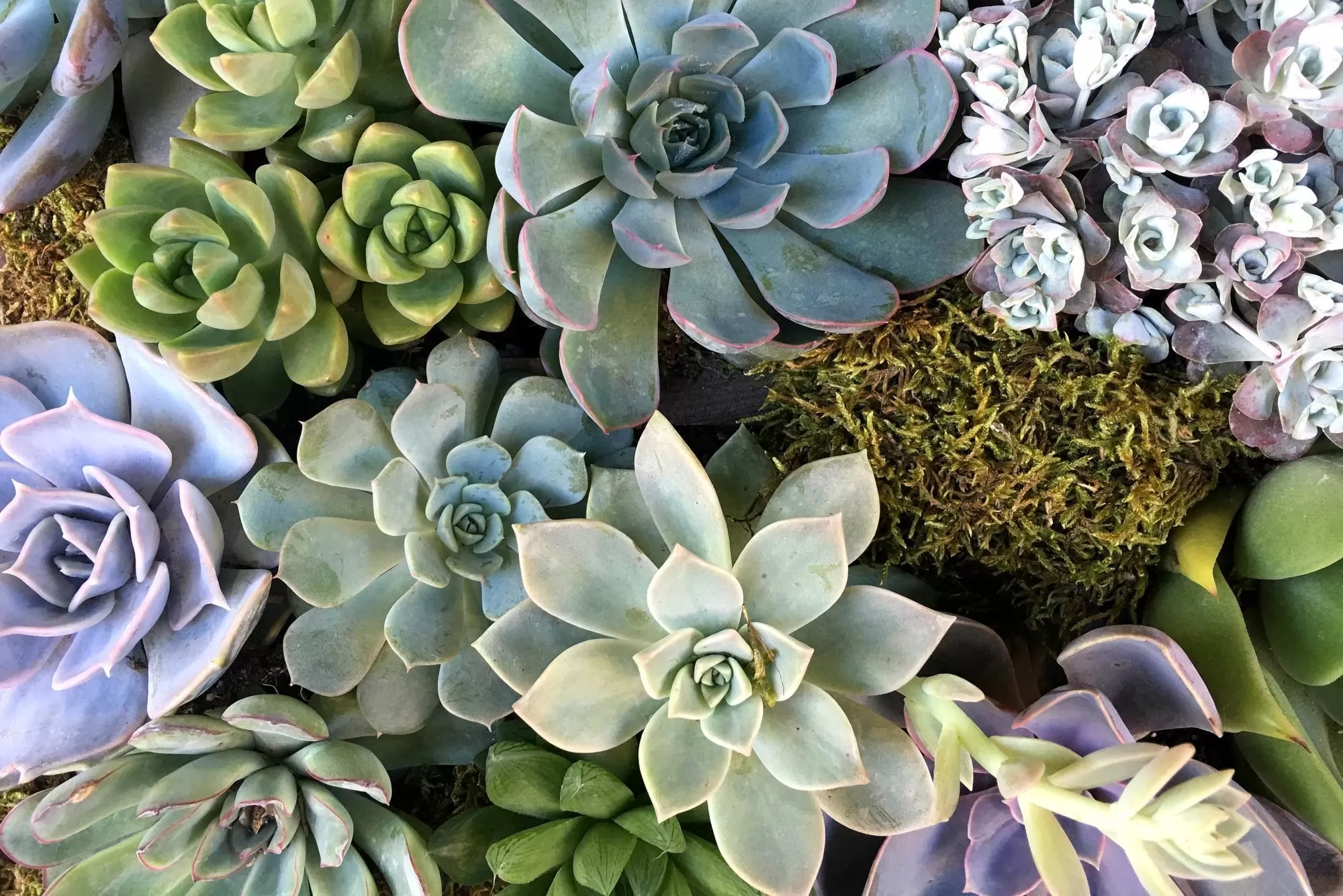
- Variety is the Spice of Life: From rosettes and trailing stems to upright spikes and intriguing textures, there’s a succulent shape, color, and form to suit every taste. You can create stunning visual interest with just a few different types.
- Forgiving Nature: While they still need care, succulents are much more forgiving of occasional neglect than many other plants. They’re a great starting point for beginner gardeners.
- Visual Appeal: Their striking shapes and often vibrant colors add instant charm and personality to any balcony space.
Choosing the Right Succulents for Your Balcony Spot
Just like finding the right furniture for a small room, selecting the best succulents depends on the conditions of your balcony. The most crucial factor is sunlight.
First, assess how much direct sun your balcony receives throughout the day. Is it bathed in light for hours, or does it stay mostly shaded? This will dictate which varieties will thrive.
Sun-Loving Favorites
Many succulents adore bright light and direct sun. A south or west-facing balcony that gets several hours of intense sun is perfect for these guys.
-
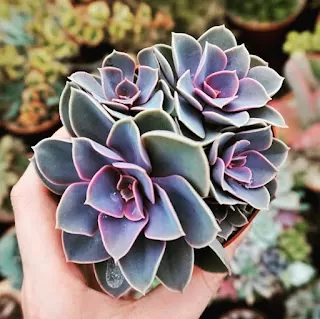
Echeveria
- Scientific Name: Echeveria spp.
- Common Name: Echeveria, Hens and Chicks (some varieties)
- Zone: Typically grown as houseplants; can live outdoors in Zone 8-11.
- Light: Full sun to partial shade (prefers brighter light for best colour/shape).
- Humidity: Low.
- Water: Water thoroughly when soil is completely dry; reduce watering in winter.
-
Sedum
- Scientific Name: Sedum spp.
- Common Name: Stonecrop
- Zone: Varies greatly by species (some hardy to Zone 3, others less so).
- Light: Full sun is preferred for most, though some tolerate partial shade.
- Humidity: Low to moderate.
- Water: Drought tolerant; water when soil is dry.
-
Sempervivum
- Scientific Name: Sempervivum spp.
- Common Name: Hens and Chicks
- Zone: 3-8/9 (very cold hardy).
- Light: Full sun.
- Humidity: Low to moderate.
- Water: Drought tolerant; water when soil is dry.
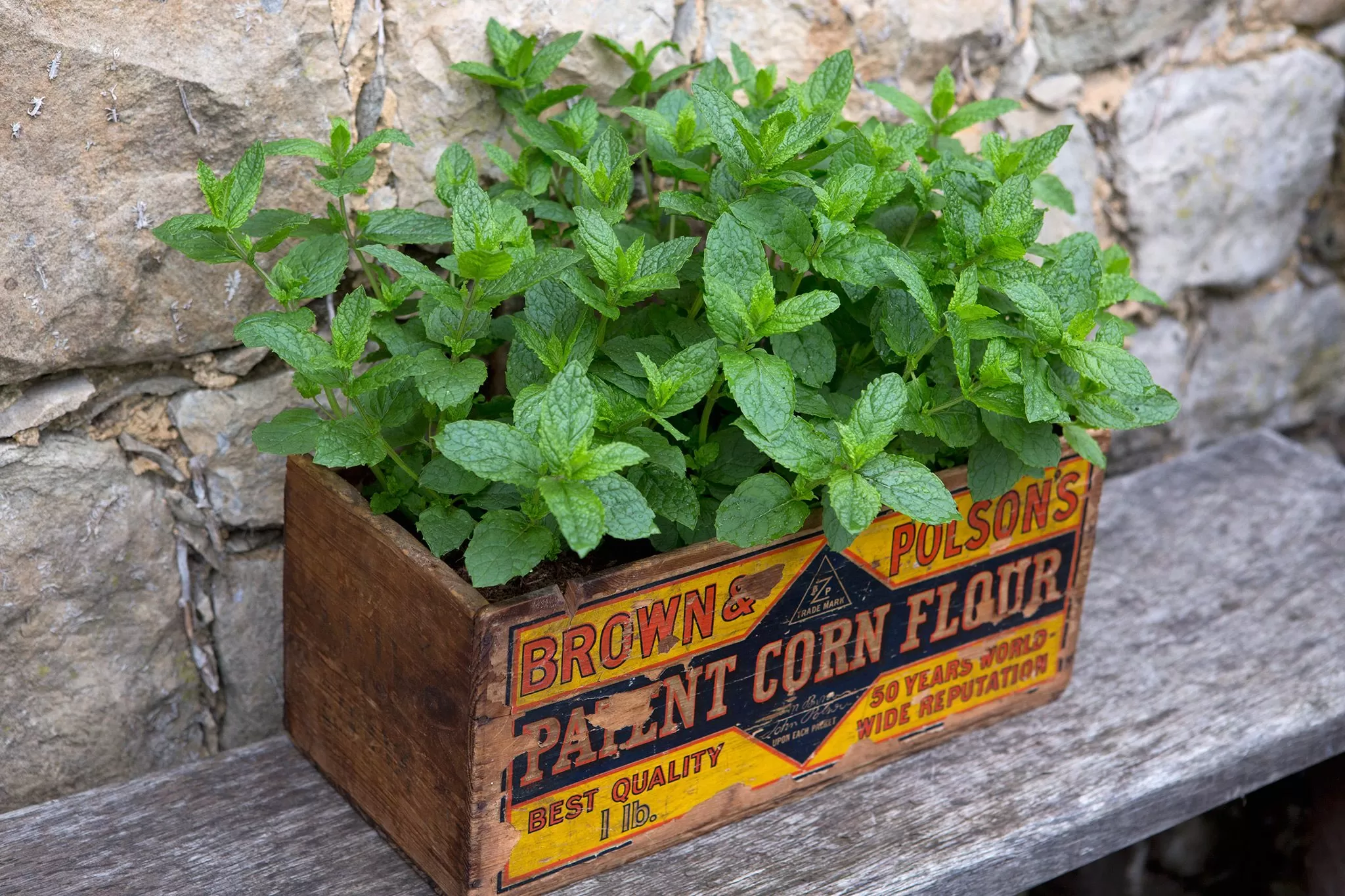 Mint planted in a long window box on a balcony railing
Succulents for Partial Shade
If your balcony gets morning sun or dappled light, or is north or east-facing, some succulents will still be happy, though they might not show their most vibrant colors.
-
Crassula ovata
- Scientific Name: Crassula ovata
- Common Name: Jade Plant
- Zone: 10-11 (outdoors); commonly grown as a houseplant.
- Light: Full sun to partial shade (tolerates less light than many succulents).
- Humidity: Low to moderate.
- Water: Water when soil is dry; less in winter.
-
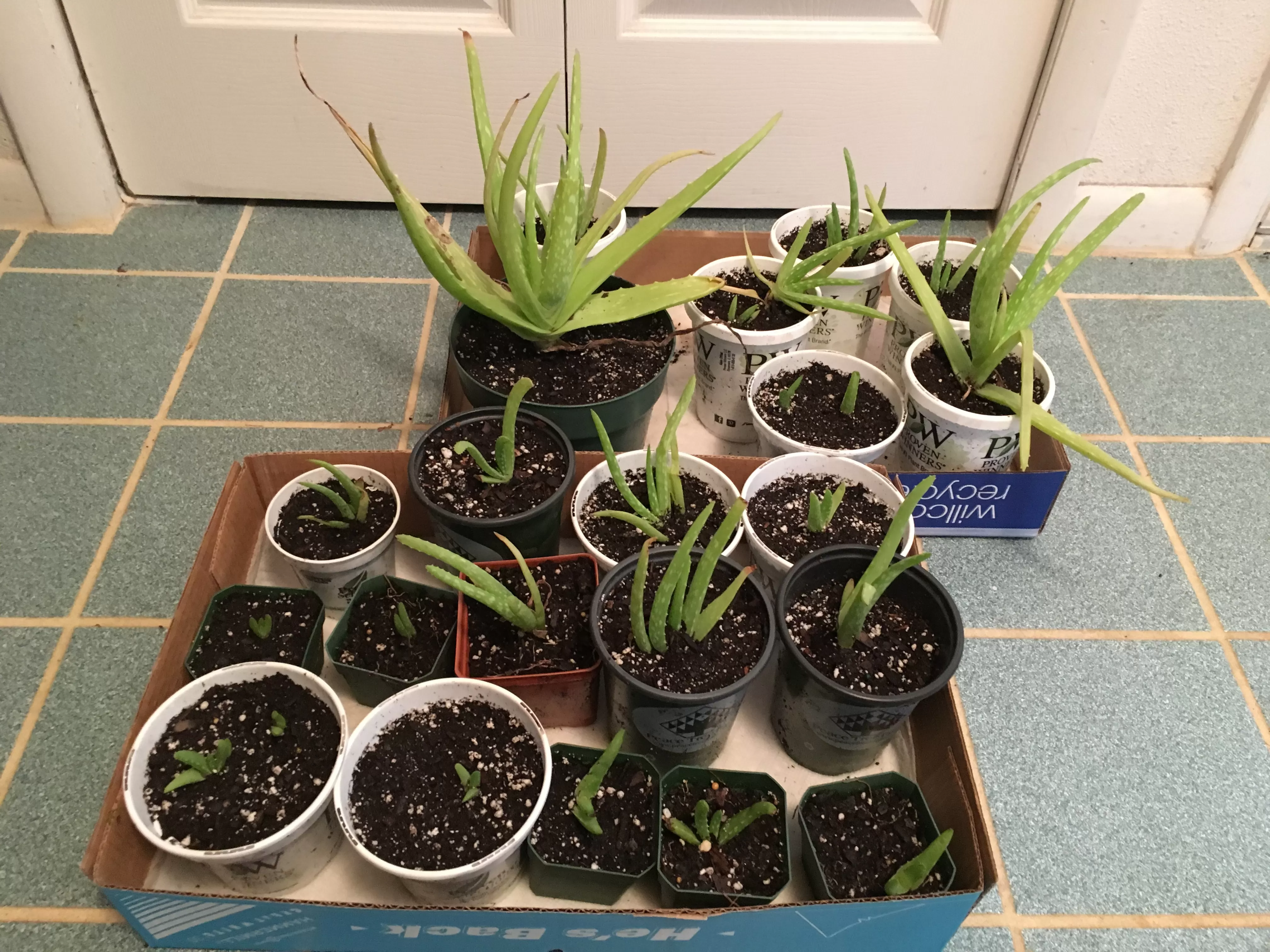
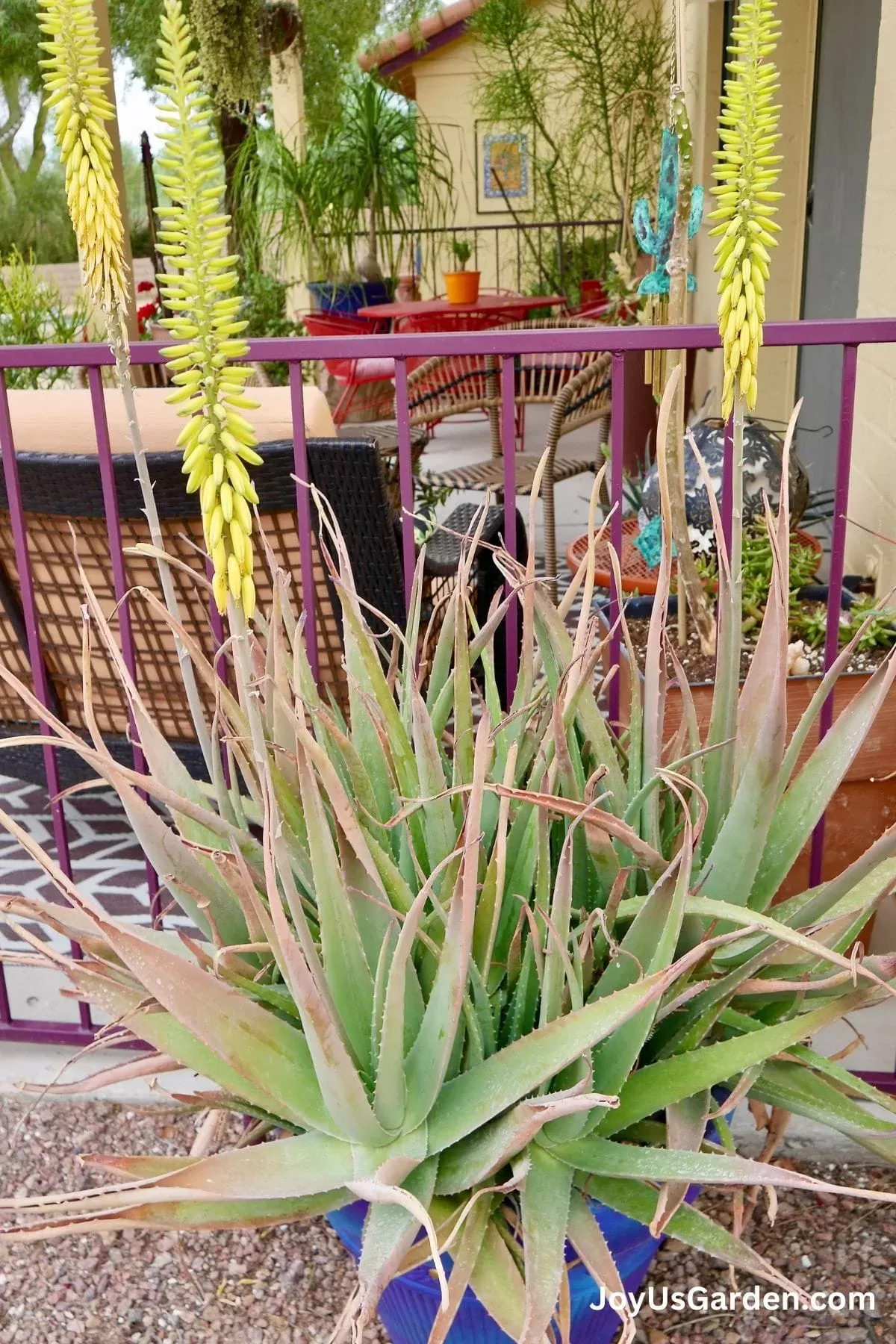
Aloe vera
- Scientific Name: Aloe vera
- Common Name: Aloe Vera
- Zone: 10-12 (outdoors); commonly grown as a houseplant.
- Light: Full sun to partial shade (can scorch in intense afternoon sun).
- Humidity: Low to moderate.
- Water: Water when soil is dry; less in winter.
 Lush green coleus plants with patterned leaves thriving in a container on a balcony
Essential Care Tips for Balcony Succulents
Caring for succulents on a balcony isn’t complicated, but a few key principles will ensure they stay happy and healthy.
Potting and Soil
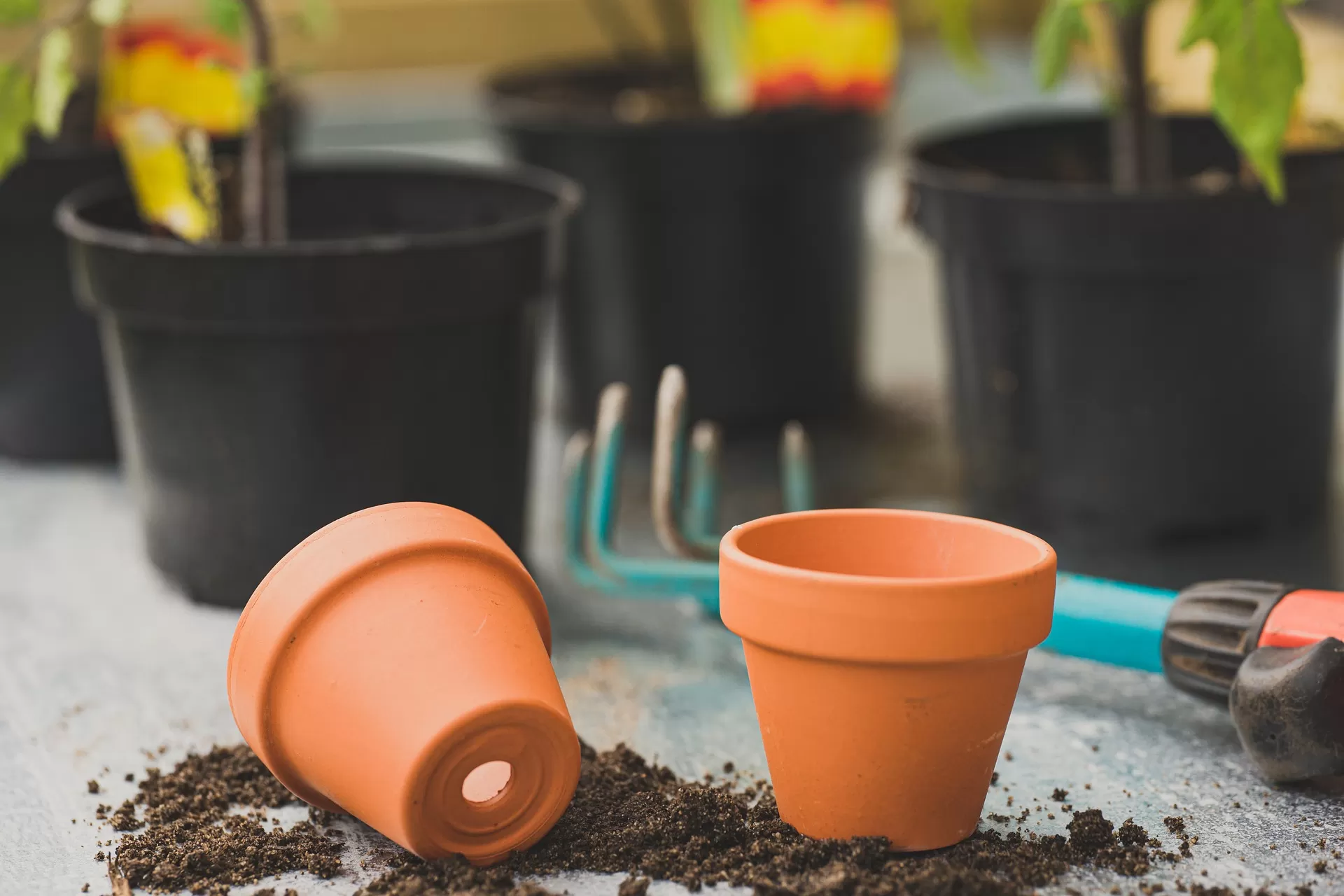
The golden rule for succulents: drainage! Use pots with drainage holes. Terracotta pots are great because they allow the soil to dry out quickly. For soil, use a specialized succulent and cactus mix, or amend regular potting mix with perlite or coarse sand to improve drainage. Succulents don’t need a lot of root space, so don’t over-pot them.
Watering
This is where most people go wrong. Succulents hate wet feet. Water deeply only when the soil is completely dry, usually every 1-3 weeks depending on heat, light, and humidity. Stick your finger a couple of inches into the soil to check. When in doubt, wait.
 A hanging strawberry pot display with ripe red strawberries cascading over the sides on a balcony
Light
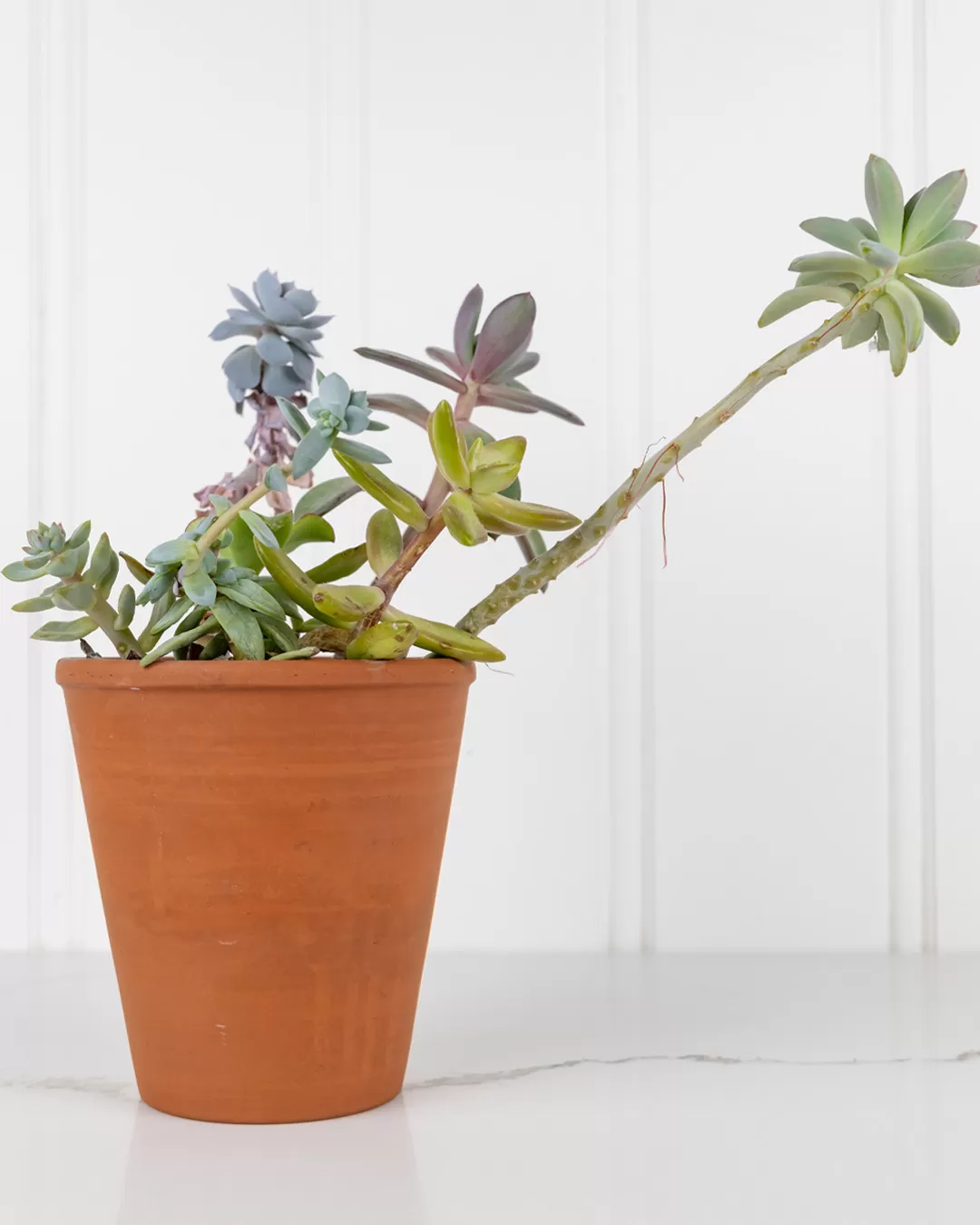
Even shade-tolerant succulents need good light to prevent them from stretching (etiolation). If your balcony isn’t getting enough light, your succulents might reach towards the light source, becoming leggy and losing their compact shape. Consider a grow light if your balcony is particularly dim.
Temperature and Airflow
Balconies can experience temperature swings. Succulents are generally tolerant, but protect tender varieties from frost. Good airflow is also beneficial, helping to prevent fungal issues, which is often better on a balcony than indoors.
 Tomato plants with ripening fruit growing in a large terracotta container on a balcony
Creative Display Ideas for Tiny Spaces
Maximizing vertical space is key on a tiny balcony. Think upwards!
- Hanging Planters: Free up floor space and add greenery at eye level.
- Vertical Gardens: Wall-mounted planters are excellent for displaying a collection of small succulents.
- Tiered Stands: Arrange pots on multi-level stands.
- Mix and Match: Combine different succulents in one larger container for a dynamic display (just make sure they have similar light and water needs).
 Flowering white jasmine vine climbing up a support structure on a balcony
Common Challenges and Solutions
Even tough succulents can face issues.
- Overwatering: The most common problem! Leads to root rot. Solution: Better drainage, less frequent watering.
- Pests: Mealybugs and aphids can sometimes appear. Solution: Wipe them off with rubbing alcohol on a cotton swab or use insecticidal soap.
- Sunburn: Too much intense sun, especially if plants aren’t acclimated or have water on their leaves. Solution: Move to a slightly less intense spot or provide temporary shade.
- Etiolation: Stretching due to lack of light. Solution: Move to a brighter spot or use a grow light.
 A terracotta pot filled with colorful tulip bulbs blooming on a balcony ledge
Conclusion
Turning a tiny balcony into a thriving green space is incredibly rewarding, and succulents make it wonderfully accessible. Their resilience, variety, and compact nature are perfectly suited for container gardening in limited areas. By understanding their basic needs for drainage, light, and infrequent watering, you can easily cultivate a beautiful collection. So, grab some pots, pick out your favorite succulents for tiny balconies, and start building your own little garden oasis in the sky!
Ready to green up your balcony? Share your favorite succulent tips or ask your questions in the comments below! Explore more articles on Thelittle.garden for inspiration on balcony planting and small-space gardening.