- Plant ID apps are valuable tools, especially for identifying species accurately.
- Correct identification is the first step to understanding specific care needs, crucial for summer.
- Apps can supplement, but not replace, hands-on observation and understanding your home’s microclimates.
- Learn how to combine app insights with seasonal adjustments for successful indoor plant care during summer.
Summer brings longer days and warmer temperatures, which sounds great for plants, right? While more light can be beneficial, the increased heat, potential for lower indoor humidity (thanks to AC), and changing light angles can stress your beloved indoor greenery. Knowing exactly what your plants need becomes even more critical. This is where plant ID apps can step in as a helpful tool. However, just like I learned the hard way with my first money tree relying solely on an app’s schedule led to disaster, using apps effectively means understanding their limitations and combining them with good old-fashioned observation, especially as the seasons shift. Let’s explore how you can leverage plant ID apps to keep your indoor plants thriving through the summer heat.
Contents
- Why Summer Care Needs a Closer Look
- The Changing Light Landscape
- Heat and Humidity Swings
- How Plant ID Apps Can Be Your Summer Ally
- Step 1: Accurate Identification is Key
- Step 2: Accessing Species-Specific Summer Needs
- Step 3: Using App Reminders (With Caution!)
- Step 4: Troubleshooting Summer Woes
- Beyond the App: Essential Summer Observation
- Be the Plant: Understand Light
- The Finger Test Reigns Supreme
- Watch for Thirst Signals
- Common Indoor Plants and Their Summer Nuances
- Money Tree (Pachira aquatica)
- Snake Plant (Dracaena trifasciata, formerly Sansevieria)
- Pothos (Epipremnum aureum)
- My Journey: Learning to Blend Tech and Touch
- Conclusion
Why Summer Care Needs a Closer Look
Indoor environments aren’t static; they fluctuate with the seasons. What worked perfectly in spring might need tweaking in summer.
The Changing Light Landscape
Sunlight is more intense in summer, and its angle changes throughout the day. A spot that got gentle morning light in spring might receive harsh direct sun in July. Understanding how light hits your plants’ location at different times of the summer day is vital, as light dictates how much ‘food’ your plant gets.
Heat and Humidity Swings
Your home might be hotter, or conversely, air conditioning can drastically lower humidity. Plants transpire more in heat, requiring more water, but dry air can stress them. Finding the right balance is key.
How Plant ID Apps Can Be Your Summer Ally
While apps aren’t a magic bullet, they offer powerful features that, when used correctly, can significantly aid your summer plant care strategy.
Step 1: Accurate Identification is Key
The first step to successful plant care is knowing exactly what species you have. Plant ID apps excel at this. Snap a clear photo of leaves, flowers, or stems, and the app can provide a likely identification. Why is this crucial for summer? Because general care advice is rarely sufficient. A Snake Plant’s needs are vastly different from a Prayer Plant’s, especially when dealing with summer heat or fluctuating humidity.
Step 2: Accessing Species-Specific Summer Needs
Once your plant is accurately identified, you can use the app’s database (if comprehensive) or leverage the plant name to research its specific requirements. Look for information on:
- Light Tolerance: Can it handle brighter summer light? Does it need to be moved away from a window receiving direct sun?
- Watering Frequency: Does it prefer consistently moist soil, or drying out between waterings? Summer heat often means more frequent watering, but overwatering remains a major killer.
- Humidity Preferences: Does this plant need high humidity? Summer AC can make the air drier than winter heating.
Step 3: Using App Reminders (With Caution!)
Many apps offer watering reminders. While convenient, never follow these blindly. My mushy money tree taught me that schedules don’t account for actual conditions. Use reminders as a prompt to check your plant, not a command to water. Stick your finger an inch or two into the soil. Is it dry? Then water. In summer, you might find yourself checking and watering more often than the app’s generic schedule suggests, or less often if your home is particularly cool and humid.
Step 4: Troubleshooting Summer Woes
If you notice signs of stress like yellowing leaves, drooping, or crispy edges during summer, use your app’s identification feature to search online for “[Plant Name] yellow leaves” or “[Plant Name] drooping summer”. Combining the specific plant name with the symptom and the season will yield much more relevant troubleshooting advice than generic “houseplant help”.
Beyond the App: Essential Summer Observation
Apps are tools, but your eyes and hands are the most important instruments. Learning to observe your plants is fundamental, a lesson reinforced by the plant care books that truly transformed my approach.
Be the Plant: Understand Light
Instead of just placing a plant “to the side of a window” and hoping for “indirect” light, get down and see the light from your plant’s perspective throughout the day. Can it see the actual sun? That’s direct light. Can it see the sky but the sun is blocked? That’s bright indirect. This understanding, vital year-round, helps you reposition plants correctly as summer light changes angles and intensity.
 Cover of 'The New Plant Parent' book, representing essential knowledge to supplement plant ID app tips for managing indoor plants during summer.
The Finger Test Reigns Supreme
No app can feel the soil moisture like your finger. This is the single most important test, especially when summer heat can make soil dry out faster or slower depending on the pot size, soil type, plant, and your home’s specific conditions.
Watch for Thirst Signals
Plants often tell you when they’re thirsty before the soil is bone dry. Drooping leaves (like my peace lily or purple waffle plant), dullness, or slight wilting are often signs. Learn your plants’ unique signals. Water thoroughly when they show these signs and the finger test confirms dryness.
 Cover of 'How to Make a Plant Love You' book, illustrating the importance of observation and connection when managing indoor plant health during summer, complementing information from plant ID apps.
Common Indoor Plants and Their Summer Nuances
Here are a few plants often found in homes, with considerations for summer management:
Money Tree (Pachira aquatica)
- Scientific Name: Pachira aquatica
- Common Name: Money Tree, Malabar Chestnut
- Light: Bright indirect light is best. Direct summer sun can scorch leaves.
- Humidity: Prefers higher humidity. May need misting or a pebble tray if AC is running.
- Water: Water thoroughly when the top 1-2 inches of soil are dry. More frequent watering may be needed in summer heat, but avoid soggy soil. My initial mistake was misjudging this balance based on vague app advice.
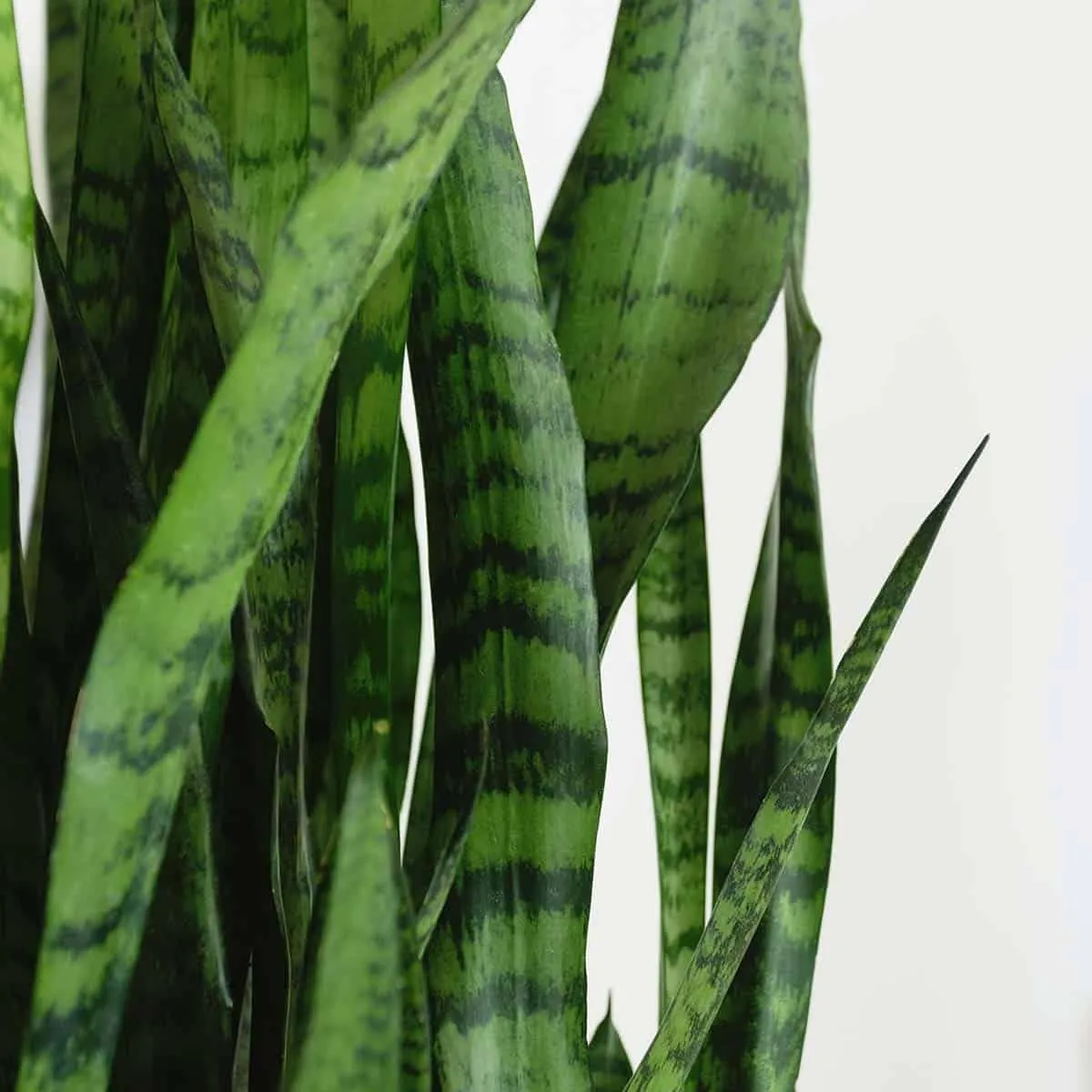
Snake Plant (Dracaena trifasciata, formerly Sansevieria)
- Scientific Name: Dracaena trifasciata
- Common Name: Snake Plant, Mother-in-Law’s Tongue
- Light: Very adaptable, from low to bright indirect light. Tolerates some direct sun, but strong afternoon sun can be too much.
- Humidity: Tolerant of average room humidity.
- Water: Drought tolerant. Allow soil to dry out completely between waterings. Overwatering in summer is a common mistake; their needs don’t increase dramatically with heat unless in very high light.
Pothos (Epipremnum aureum)
- Scientific Name: Epipremnum aureum
- Common Name: Pothos, Devil’s Ivy
- Light: Low to bright indirect light. Brighter light encourages variegation. Avoid direct sun.
- Humidity: Tolerant of average room humidity but appreciates higher levels.
- Water: Water when the top 1-2 inches of soil are dry. Drooping leaves are a clear sign of thirst. May need slightly more water in summer if in brighter light.
 Cover of 'Wild At Home' book, symbolizing the beauty of healthy, thriving indoor plants that result from understanding care needs, including using plant ID apps effectively for summer management.
My Journey: Learning to Blend Tech and Touch
My early struggles with plant care, including the money tree mishap fueled by blindly following app schedules, taught me a valuable lesson. Plant ID apps are fantastic for their primary function: identification. They quickly give you a name, which unlocks a world of specific care information. However, thriving summer plants require you to become an active participant. Use the app to ID and get a baseline, then observe your plant and its environment daily. Does the soil feel drier faster today? Is that leaf yellowing? Is the air unusually dry? Combining the app’s identification power with hands-on checks and an understanding of seasonal changes is the true recipe for success. It’s the difference between just keeping plants alive and helping them truly thrive, even through the challenges of summer.
Conclusion
Successfully managing your indoor plants during summer requires adapting your care routine to the season’s unique conditions. Plant ID apps are a valuable asset, providing crucial identification that unlocks species-specific knowledge. However, they are best used as a supplementary tool alongside diligent observation and understanding fundamental plant needs like light and water. By combining the power of technology with the wisdom of attentive care, you can navigate the summer months with confidence and enjoy your thriving indoor jungle.
What are your biggest summer plant care challenges? Do you use plant ID apps? Share your experiences in the comments below!