Ready to green up your space this summer without sacrificing precious leisure time? Low-maintenance houseplants are your answer. They bring beauty, boost your mood, and purify the air with minimal fuss. Perfect for anyone balancing work, social plans, and sunny adventures!
Here are the key takeaways:
- Discover houseplants that thrive on neglect, ideal for busy summer schedules.
- Learn simple yet effective styling tips to enhance your home decor with greenery.
- Get essential summer care advice tailored for the time-strapped plant parent.
- Find inspiration to create a vibrant indoor oasis effortlessly.
Summer is a time for sunshine, adventures, and maybe a little less time spent meticulously caring for your indoor jungle. But that doesn’t mean you have to live in a plant-less void! Thankfully, the world of indoor gardening offers a plethora of resilient, easy-going plants that can withstand a little neglect and still look fantastic. This guide is all about styling low-maintenance houseplants for busy summer lifestyles, showing you how to choose the right green companions and integrate them beautifully into your home decor, even when your schedule is packed.
Contents
- Why Choose Low-Maintenance Houseplants for Summer?
- Top Low-Maintenance Houseplants for Busy Schedules
- Snake Plant (Sansevieria)
- ZZ Plant (Zamioculcas zamiifolia)
- Pothos (Epipremnum aureum)
- Spider Plant (Chlorophytum comosum)
- Cast Iron Plant (Aspidistra elatior)
- Styling Your Green Companions
- Choose the Right Planters
- Group Plants Together
- Utilize Vertical Space
- Integrate Plants with Furniture and Art
- Create a Focal Point
- Summer Care Tips for Busy Plant Parents
- Common Non-Problems (Things Not to Worry About)
Why Choose Low-Maintenance Houseplants for Summer?
Summer often means vacations, longer days out, and less time indoors. High-maintenance plants that demand daily watering, specific humidity levels, or constant attention simply aren’t practical. Low-maintenance varieties are forgiving. They can handle slight fluctuations in temperature, tolerate missed waterings, and generally require less frequent feeding and pruning. This makes them the perfect partners for a busy summer lifestyle, ensuring your home stays vibrant and welcoming without adding another chore to your list.
Top Low-Maintenance Houseplants for Busy Schedules
Choosing the right plants is the first step to an effortless green home. Here are some champions of resilience that are perfect for beginners and busy enthusiasts alike.
Snake Plant (Sansevieria)
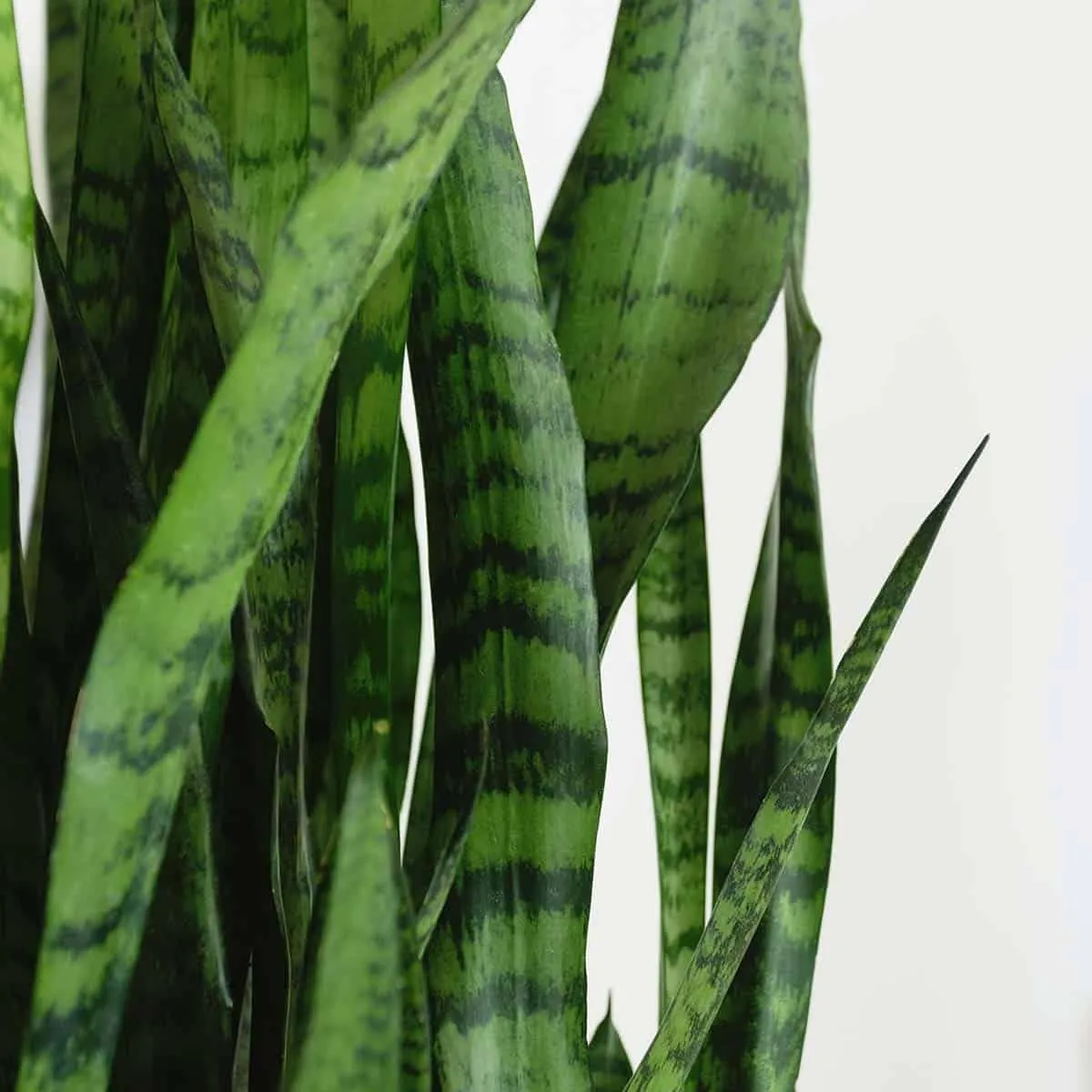
Known for its striking, upright leaves, the Snake Plant is virtually indestructible. It can tolerate a wide range of light conditions and infrequent watering, making it a top pick for low-maintenance greenery.
- Scientific Name: Sansevieria trifasciata (now often classified under Dracaena)
- Common Name: Snake Plant, Mother-in-Law’s Tongue
- Light: Low to Bright Indirect Light
- Humidity: Average indoor humidity
- Water: Allow soil to dry out completely between waterings. Water sparingly, especially in winter.
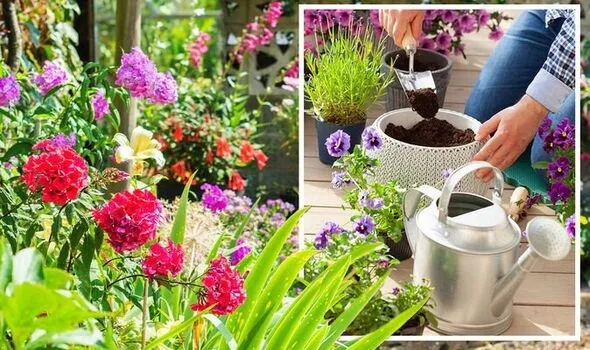 A general garden scene showing flowering plants and bushes
ZZ Plant (Zamioculcas zamiifolia)
The ZZ Plant is another superstar of neglect tolerance. Its waxy, dark green leaves store water efficiently, allowing it to go for long periods without a drink. It thrives in low light and doesn’t mind inconsistent care.
- Scientific Name: Zamioculcas zamiifolia
- Common Name: ZZ Plant, Zanzibar Gem
- Light: Low to Medium Indirect Light
- Humidity: Average indoor humidity
- Water: Water only when the soil is completely dry, usually every few weeks.
Pothos (Epipremnum aureum)
Pothos, with its trailing vines, adds a touch of lushness to any space. It’s very forgiving and will often signal its need for water by its leaves starting to droop slightly. It’s adaptable to various light levels.
- Scientific Name: Epipremnum aureum
- Common Name: Pothos, Devil’s Ivy
- Light: Low to Bright Indirect Light
- Humidity: Average indoor humidity
- Water: Water when the top inch or two of soil feels dry.
 Close-up of vibrant pink peony flowers
Spider Plant (Chlorophytum comosum)
Spider Plants are incredibly easy to grow and propagate, even producing little plantlets (spiderettes) that can be easily shared or repotted. They prefer bright, indirect light but can tolerate lower light.
- Scientific Name: Chlorophytum comosum
- Common Name: Spider Plant, Airplane Plant
- Light: Medium to Bright Indirect Light
- Humidity: Average to Moderate humidity
- Water: Water when the top inch of soil is dry.
Cast Iron Plant (Aspidistra elatior)
As the name suggests, this plant is tough! It can handle deep shade, infrequent watering, and temperature extremes better than most houseplants. It’s perfect for dimly lit corners where other plants might struggle.
- Scientific Name: Aspidistra elatior
- Common Name: Cast Iron Plant
- Light: Low Light (Tolerates very low light)
- Humidity: Average indoor humidity
- Water: Allow soil to dry out between waterings.
 View of a blooming lavender plant in a garden setting
Styling Your Green Companions
Once you’ve chosen your low-maintenance allies, the fun begins – styling them! Even the most forgiving plant can become a stunning decor piece with the right approach.
Choose the Right Planters
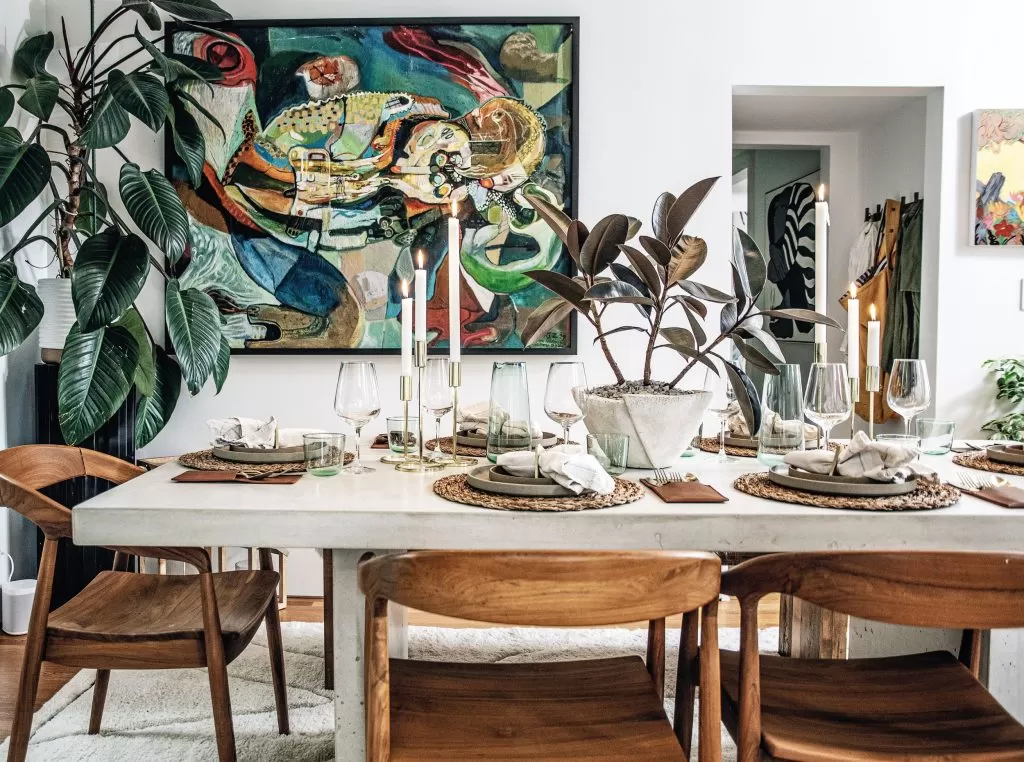
Pots are like the plant’s outfit! For a summer vibe, consider bright, colorful pots in ceramic or terracotta. Woven baskets add texture and a relaxed, summery feel. Ensure any pot you choose has drainage holes or use a nursery pot inside a decorative cachepot.
Group Plants Together
Clustering plants creates a lush, impactful statement. Grouping plants with similar light needs makes care easier. Varying the height and texture of the plants within a group adds visual interest. A collection of Snake Plants in different sizes or a mix of a tall ZZ Plant with trailing Pothos can transform a corner.
Utilize Vertical Space
Trailing plants like Pothos are perfect for hanging baskets or letting them cascade from shelves. This draws the eye upwards and adds depth to your decor without taking up floor space – great for smaller apartments or busy homes.
 Brightly colored sunflowers in full bloom
Integrate Plants with Furniture and Art
Place a Snake Plant next to a sofa, a ZZ Plant on a console table, or let Pothos trail from a high shelf above your workspace. Plants add life and a touch of nature to inanimate objects, making a room feel more inviting and balanced.
Create a Focal Point
Use a larger, striking low-maintenance plant like a tall Snake Plant in a beautiful pot as a focal point in a living room or entryway. This creates a strong design element that is easy to maintain.
Summer Care Tips for Busy Plant Parents
Even low-maintenance plants might need slight adjustments during the summer months, especially if you’re away or your home environment changes (e.g., AC use, open windows).
- Check Before You Water: Always check the soil moisture before watering. Stick your finger a couple of inches down. If it’s dry, water. If it’s still moist, wait. Overwatering is the most common killer of these hardy plants.
- Know Your Plant’s Signals: Learn what your plant looks like when it’s thirsty (slightly droopy leaves, dull color). These plants are forgiving and will often tell you before it’s too late.
- Consider Location Changes: If you put plants outside for summer or move them closer to windows, remember they’ll need more water. If you’re using AC constantly, the air might be drier, though most of these plants tolerate average humidity.
- Dust Those Leaves: Dusty leaves can hinder photosynthesis. A quick wipe down with a damp cloth every so often is beneficial and keeps them looking their best.
- Fertilize Sparingly (or not at all): Low-maintenance plants often require very little fertilizer. A single feeding in spring or early summer might be sufficient, or you can skip it altogether, especially if the plant is happy.
Common Non-Problems (Things Not to Worry About)
With low-maintenance plants, sometimes what looks like a problem is just the plant being itself or adapting.
- Slow Growth: Many low-maintenance plants are slow growers, especially in lower light. This isn’t a problem; it just means less frequent repotting and pruning.
- A Few Yellow Leaves: It’s normal for older leaves at the bottom to yellow and die off occasionally as the plant grows new ones. Remove them as needed. Significant yellowing might indicate overwatering.
- Minor Imperfections: Don’t expect perfection. A little brown tip here or a small tear there is natural.
Embracing styling low-maintenance houseplants for busy summer lifestyles is all about bringing the joy of greenery into your home without the stress. These resilient plants offer beauty and benefits with minimal demands, allowing you to enjoy your summer to the fullest while your green friends quietly thrive.
Ready to add some effortless style to your space? Pick up a Snake Plant or ZZ Plant today!
What are your favorite low-maintenance houseplants? Share your tips and styling ideas in the comments below! And don’t forget to explore more gardening inspiration on Thelittle.garden.