- Transform simple vegetables into flavorful culinary delights.
- Discover classic and exciting herb and vegetable pairings perfect for roasting.
- Learn tips for selecting, preparing, and roasting veggies with fresh herbs for maximum taste.
- Get inspired to use your garden harvest in vibrant, healthy dishes.
There’s something truly special about stepping into your garden, plucking fresh herbs, and pairing them with vibrant vegetables you’ve grown or picked up from a local market. The simple act of combining nature’s bounty unlocks incredible flavors that pre-packaged seasonings just can’t match. Whether you’re a seasoned gardener or just starting out, understanding key herb & veggie combos can elevate your cooking from good to unforgettable, especially when it comes to the magic of roasting.
Roasting is a fantastic way to bring out the natural sweetness and depth in vegetables. High heat caramelizes their surfaces, creating tender interiors and slightly crisp exteriors. Adding the right herbs during this process infuses them with aromatic complexity, turning a simple side dish into a star. Let’s explore some wonderful pairings, starting with a perennial favorite!
A Garden Classic: The Aromatic Garlic Herb Roast
One of the most popular and universally loved herb & veggie combos for roasting is a mix of root vegetables and hearty greens kissed with garlic, olive oil, and a blend of aromatic herbs like rosemary and thyme. This combination is forgiving, flavorful, and showcases the best of seasonal produce.
Here’s a look at the wonderful components in this particular medley:
- The Vegetables: A robust mix that roasts beautifully together, offering varied textures and tastes.
- Potatoes (Baby or larger, cut)
- Brussel Sprouts
- Sweet Potatoes
- Carrots
- Mushrooms
- Onion (Red or Yellow)
- The Herbs and Seasonings: Simple yet powerful flavors that complement the sweetness and earthiness of the vegetables.
- Fresh Garlic Cloves
- Olive Oil (or another high-smoke point oil)
- Dried Thyme (or fresh)
- Fresh Rosemary (optional, or dried)
- Garlic Salt (or Sea Salt)
- Black Pepper
The synergy here is undeniable. Garlic adds pungent depth, olive oil helps everything crisp and brown, while rosemary and thyme lend earthy, slightly piney notes that are absolutely divine with roasted root vegetables and sturdy greens.
 Completed roasted vegetable medley with garlic and herbs in a baking dish.
Unlocking More Delicious Herb & Veggie Combos
While the garlic-herb mix above is a winner, the world of herb & veggie combos is vast and exciting! Experimenting with different pairings can bring new life to your garden harvest and your dinner table.
Here are a few more tried-and-true pairings to inspire your next culinary adventure:
Rosemary & Root Vegetables
Rosemary’s pungent, woody notes are a perfect match for potatoes, sweet potatoes, carrots, parsnips, and turnips. It stands up well to high heat and infuses root vegetables with a delightful aroma. Try tossing cubed potatoes and carrots with fresh rosemary sprigs, olive oil, salt, and pepper before roasting.
Thyme & Everything Green
Delicate yet flavorful, thyme pairs wonderfully with a wide variety of vegetables, especially greens and mushrooms. Think Brussel sprouts, green beans, broccoli, cauliflower, and even corn. Its subtle earthiness enhances rather than overwhelms.
Basil & Summer Bounty
While often associated with fresh applications like pesto or salads, basil can also be used in roasting, particularly with classic summer vegetables like tomatoes, zucchini, bell peppers, and eggplant. It adds a fresh, slightly sweet aroma. Add it towards the end of the roasting time or use dried basil tossed with the veggies before cooking.
Oregano & Mediterranean Flavors
Oregano brings a warm, slightly peppery kick that is fantastic with zucchini, eggplant, bell peppers, and onions – the stars of many Mediterranean dishes. Combine it with olive oil, garlic, and a squeeze of lemon after roasting for a vibrant dish.
Sage & Winter Squash
Sage has a warm, slightly peppery, and aromatic flavor that is absolutely incredible with rich, sweet winter squash varieties like butternut squash, acorn squash, and pumpkin. Try tossing cubed squash with fresh sage leaves, brown butter (or olive oil), salt, and a pinch of cinnamon or nutmeg before roasting.
Understanding a bit about the herbs themselves can help you plan your garden and your cooking!
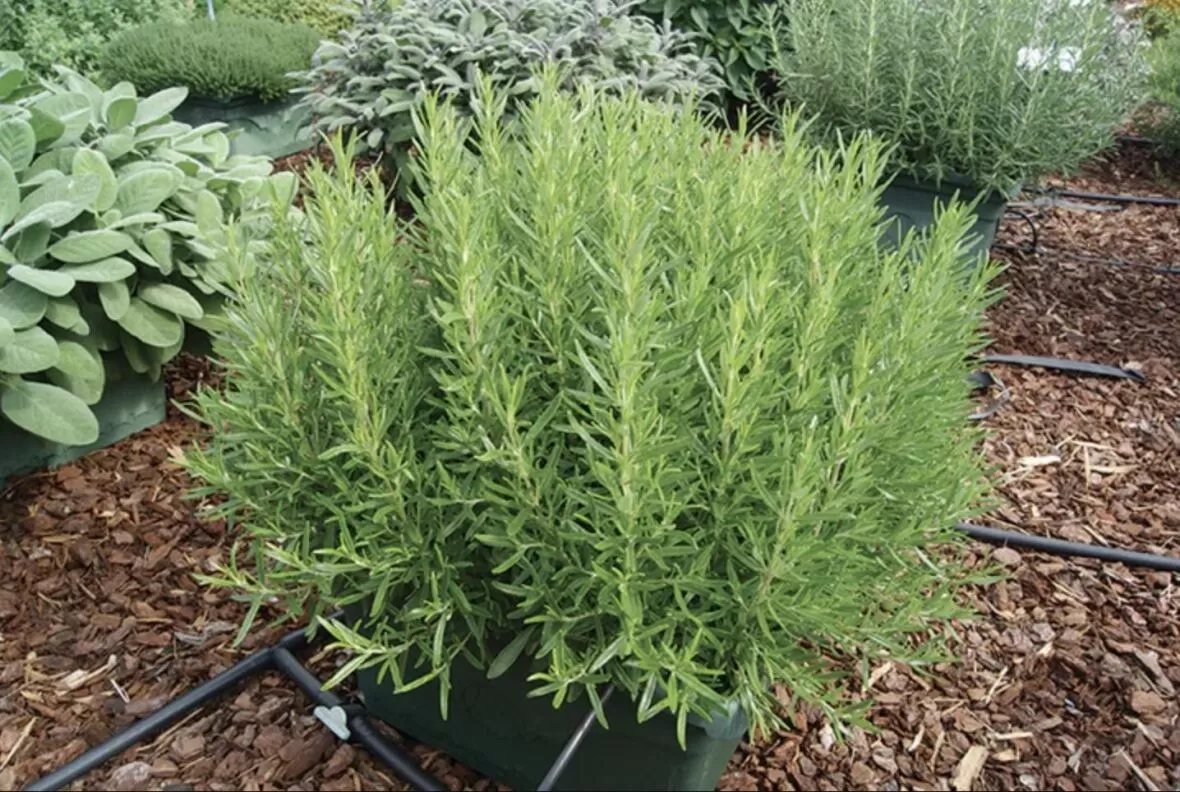
- Rosemary
- Scientific Name: Rosmarinus officinalis
- Common Name: Rosemary
- Zone: 7-10 (Often grown as an annual or potted plant in cooler zones)
- Light: Full sun
- Humidity: Prefers lower humidity but adaptable
- Water: Water when soil is dry; drought tolerant once established.
- Thyme
- Scientific Name: Thymus vulgaris
- Common Name: Thyme
- Zone: 5-9
- Light: Full sun
- Humidity: Prefers lower humidity
- Water: Water when soil is dry; very drought tolerant.
- Basil
- Scientific Name: Ocimum basilicum
- Common Name: Basil
- Zone: 10-11 (Usually grown as an annual elsewhere)
- Light: Full sun
- Humidity: Moderate humidity
- Water: Keep soil consistently moist but not waterlogged.
Preparing and Roasting Your Flavorful Medley
Creating your own delicious herb & veggie combos for roasting is straightforward and rewarding. Here’s how to get that perfect tender and caramelized result:
- Prep Your Veggies: Wash and chop your chosen vegetables into roughly equal-sized pieces. This ensures they cook evenly. For harder root vegetables like potatoes and carrots, aim for slightly smaller chunks than softer ones like zucchini or mushrooms.
- Combine and Season: Place all the prepared vegetables in a large bowl. Add your chosen herbs (fresh or dried), minced garlic (if using), olive oil, salt, and pepper. Toss everything together gently but thoroughly, ensuring every piece is lightly coated. Don’t be shy with the seasoning – roasting can mellow flavors slightly.
 Bowl of fresh, chopped vegetables ready for roasting with herbs and garlic.
 Process of adding seasonings to chopped vegetables in a bowl for roasting.
-
Spread and Roast: Preheat your oven, typically to 400°F (205°C). Spread the seasoned vegetables in a single layer on a baking sheet or roasting pan. Avoid overcrowding the pan; this is key for browning and caramelization. If necessary, use two pans. You can line the pan with parchment paper for easier cleanup.
-
The Roasting Process: For denser root vegetables, starting covered can help them become tender before uncovering to brown. Cover the pan loosely with foil and roast for about 20-30 minutes. Then, remove the foil, stir the vegetables, and continue roasting uncovered for another 20-30 minutes (or longer), until they are tender when pierced with a fork and nicely browned around the edges. Lighter vegetables like asparagus or bell peppers will need much less time, usually 15-25 minutes total, roasted uncovered.
 Baking pan covered with foil, ready for roasting vegetables.
Tips for Roasting Success
- Even Sizes: Cut all vegetables to roughly the same size so they finish cooking around the same time.
- Don’t Crowd the Pan: Give the veggies space! This allows them to roast and caramelize rather than steam.
- High Heat: Roasting works best at higher temperatures (400°F/205°C or higher).
- Use Oil: A good coating of oil helps transfer heat, promotes browning, and prevents sticking.
- Mind the Garlic: Garlic can burn easily at high heat. If using lots of minced garlic, you might add half at the start and the rest during the last 15-20 minutes of roasting.
Storage and Enjoying Leftovers
Roasted vegetables are best enjoyed fresh from the oven, but leftovers are delicious too!
- Storing: Let roasted vegetables cool completely before transferring them to an airtight container. They will keep in the refrigerator for 3-4 days.
- Freezing: Yes, you can freeze roasted vegetables! Spread cooled veggies in a single layer on a baking sheet and flash freeze until solid. Then transfer to a freezer-safe bag or container for up to 2-3 months. Thaw overnight in the fridge or reheat directly from frozen.
- Reheating: The best way to reheat roasted vegetables to regain some crispness is in the oven. Spread them on a baking sheet and heat at around 350°F (175°C) for 15-20 minutes, or until heated through. You can reheat in the microwave, but they will likely be softer.
 Baking dish of finished roasted vegetables alongside a bowl of fresh, unroasted veggies.
Leftover roasted veggies are also fantastic in other dishes! Chop them up and add to grain bowls, pasta salads, wraps, quesadillas, or even blend into soups.
Beyond Roasting: Versatile Herb & Veggie Combos
The magic of herb & veggie combos isn’t limited to the oven. These pairings work beautifully in sautéed dishes, stir-fries, grilled skewers, fresh salads, and even infused oils and vinegars. Growing a variety of culinary herbs gives you endless possibilities in the kitchen, turning simple ingredients into extraordinary meals using the vibrant flavors from your garden.
Embracing the world of herb & veggie combos is a joyous journey for any home gardener or cook. It’s about celebrating fresh ingredients, understanding how simple pairings can create complex flavors, and enjoying the delicious results straight from your garden to your plate.
What are your favorite herb & veggie combos? Do you have a go-to roasting mix, or perhaps a unique pairing you love? Share your thoughts and kitchen adventures in the comments below! If you found this guide helpful, consider sharing it with fellow garden and food lovers. Happy harvesting and happy cooking!