- Lettuce thrives in mild weather but struggles with heat, often turning bitter or “bolting” (going to seed).
- Providing strategic shade is key to extending the harvest season and ensuring sweet, tender leaves.
- Different methods like natural shade, artificial covers, and smart planting can protect your lettuce patch.
- Proper watering and soil health complement shade for the best results.
- Choosing the right lettuce varieties can also help manage warmer conditions.
Welcome to The Little Garden! As fellow gardeners, we know the sheer joy of harvesting crisp, fresh lettuce right from our backyard. But we also know the heartbreak when those beautiful leafy greens succumb to the summer heat, turning bitter and shooting up a seed stalk almost overnight – a gardener’s dreaded “bolting.” This is where understanding effective shade strategies for lettuce becomes your secret weapon for a longer, more productive growing season. While lettuce loves the sun for robust growth, just a little protection from intense heat can make all the difference between a fleeting spring crop and a bountiful, extended harvest of tender leaves.
Why Lettuce Craves Shade (Especially in Warm Weather)
Lettuce (Lactuca sativa) is fundamentally a cool-season crop. Its ideal temperature range is between 45°F and 80°F (7°C to 27°C). When temperatures rise consistently above this, especially combined with long daylight hours, the plant interprets this as a signal to complete its life cycle quickly – meaning it focuses energy on producing seeds rather than lush leaves. This process is called bolting.
Bolting isn’t just an aesthetic issue; it drastically changes the texture and taste of the leaves. They become tougher, and the plant produces a milky sap that gives them a distinctly bitter flavor. Providing shade, particularly during the hottest part of the day, tricks the plant into thinking conditions are still cool and favorable for leaf production, effectively slowing down or preventing bolting and preserving that sweet, crisp taste.
Implementing Effective Shade Strategies
Protecting your lettuce from the scorching sun is easier than you might think. Here are several practical shade strategies for lettuce that you can implement in your garden or container setup:
Utilizing Natural Garden Shade
Look around your garden. Do you have taller plants that could offer some respite?
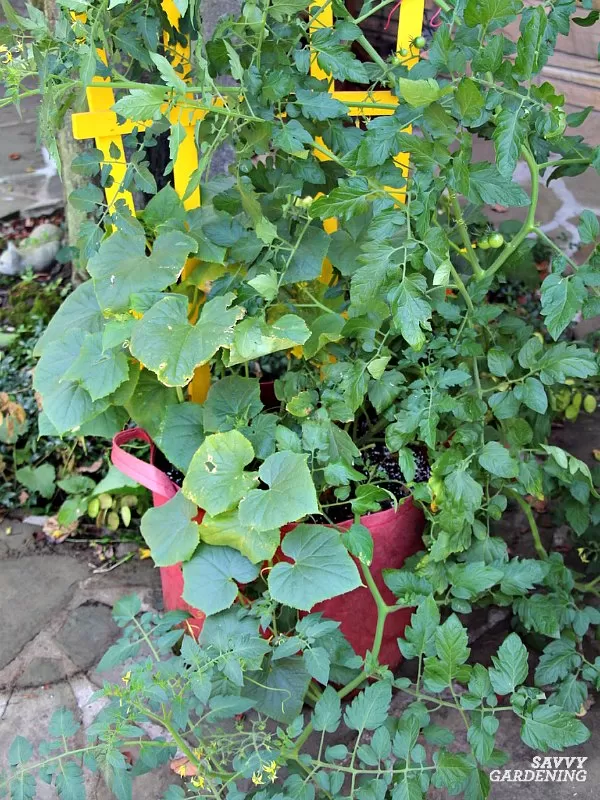
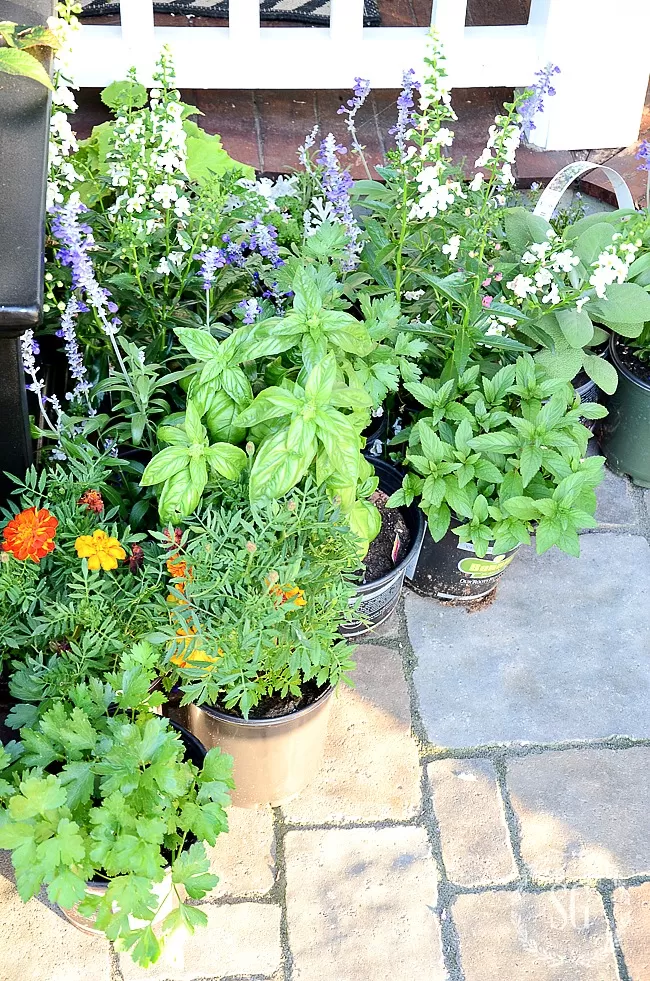
- Companion Planting: Grow lettuce alongside taller vegetables like tomatoes (early in their growth), cucumbers on a trellis, or pole beans. Position the lettuce on the south or west side of these taller plants so they receive afternoon shade.
- Existing Structures: Walls, fences, or even large shrubs can cast beneficial shade during the hottest part of the day. Plant your lettuce on the side of these structures that gets relief from intense afternoon sun.
- Under Trees: If you have deciduous trees that leaf out later in spring, you might be able to get an early lettuce crop before they provide dense shade. Be mindful of root competition and potential pests falling from trees, however.
Creating Artificial Shade
Sometimes, natural shade isn’t enough or isn’t available. This is where simple DIY solutions come in.
- Shade Cloth: This is one of the most effective methods. Available in various densities (30-50% is usually sufficient for lettuce), shade cloth can be draped over hoops, frames, or even lightweight stakes positioned above the plants. It filters sunlight and significantly lowers the leaf temperature.
- Row Covers: While often used for pest protection or frost, lightweight row covers can also offer a few degrees of cooling shade. Ensure there is good airflow beneath them.
- Temporary Covers: Old window screens, lattice panels, or even cardboard boxes propped up can provide temporary relief during a sudden heatwave. Just make sure not to completely block light for the entire day.
Strategic Planting Location
Where you plant your lettuce matters.
- Morning Sun is Best: Choose a spot that receives morning sun but is shaded from the intense afternoon sun. This often means a location with eastern exposure or one sheltered by a structure or taller plants to the west.
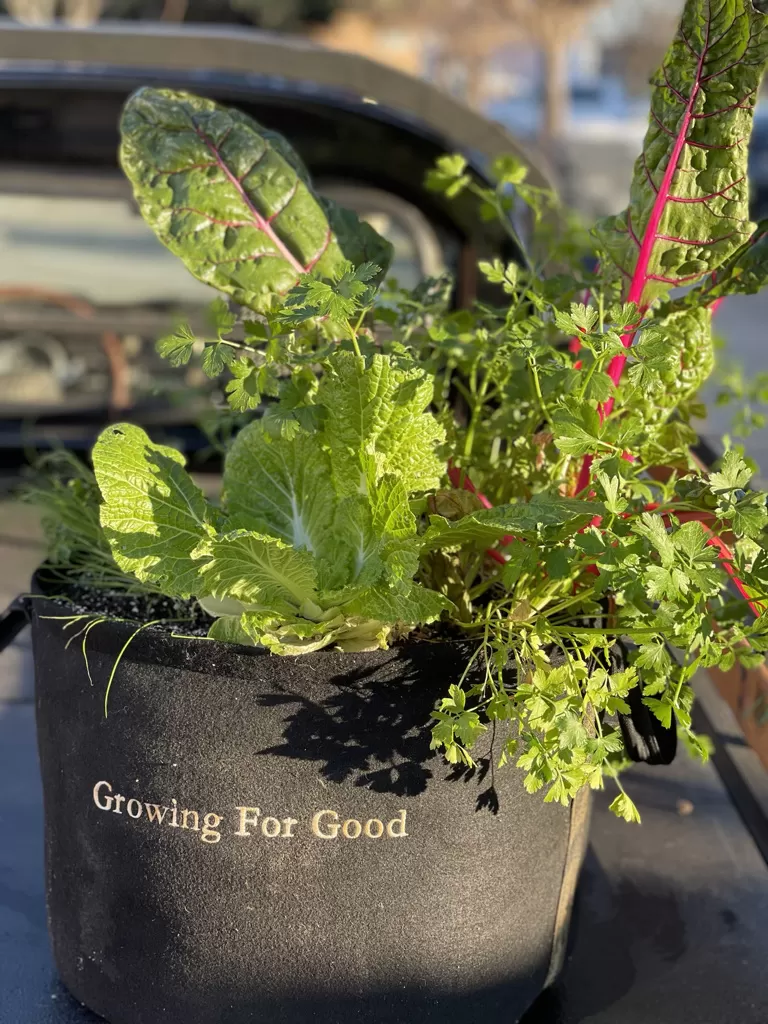
- Container Flexibility: If you’re growing lettuce in pots, you have the ultimate flexibility! Move containers to a shadier spot on hot days or as the season progresses. A patio, porch, or under a table can become a perfect lettuce haven.
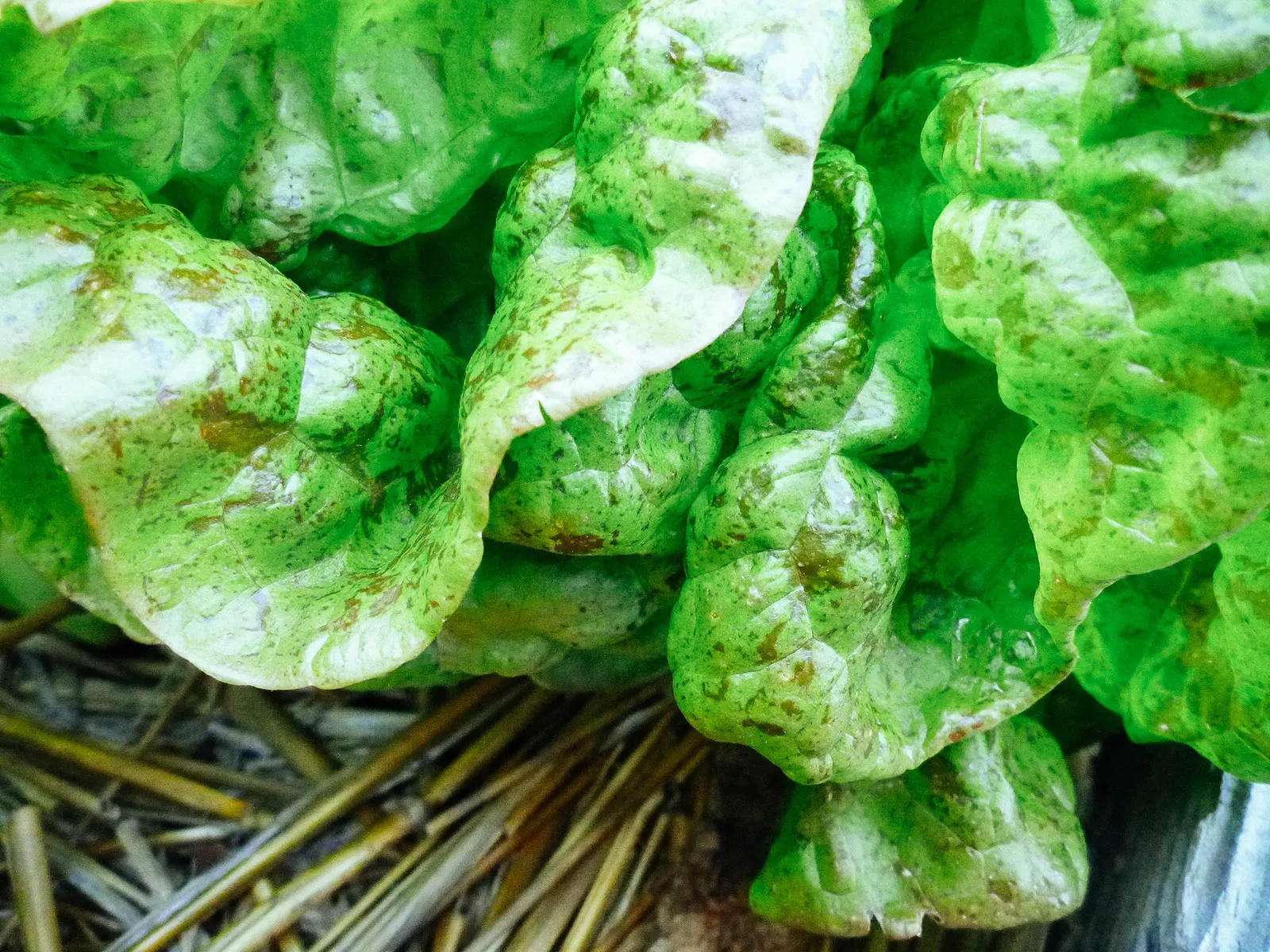
Lettuce plants adapt to their spacing. For largest plants, space at the maximum distance given on the label.
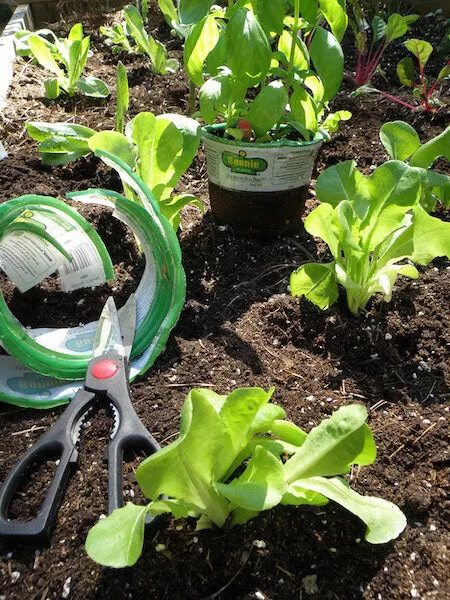 Lettuce plants growing in a garden bed, adapted to their spacing
Beyond Shade: Supporting Lettuce Growth
While shade is crucial for combating heat, other care practices work hand-in-hand to keep your lettuce happy and productive.
Soil and Feeding
Lettuce needs fertile, well-drained, consistently moist soil rich in organic matter.
- Soil Prep: Before planting, amend your soil generously with compost. A pH between 6.0 and 7.0 is ideal.
- Fertilizing: Lettuce is a leafy green, meaning it’s a nitrogen lover. Feed regularly with a balanced, water-soluble fertilizer or use nitrogen-rich organic amendments like composted manure or blood meal to encourage rapid leaf production. Follow product instructions to avoid over-fertilizing, which can damage roots.
- Container Mix: For pots, use a high-quality potting mix designed for containers. These mixes provide excellent drainage and aeration.
Watering and Mulching
Consistent moisture is non-negotiable for tender, succulent lettuce leaves.
- Water Regularly: Water whenever the top inch of soil feels dry. Lack of water is a major cause of bitter leaves and can also lead to tip burn (browning edges). Early morning watering is best.
- Mulch: Apply a layer of organic mulch (like straw, shredded leaves, or finely ground bark) around plants. Mulch helps retain soil moisture, keeps roots cool, and suppresses weeds, reducing competition for water and nutrients.
Troubleshooting Common Issues
Even with the best care, you might encounter challenges.
- Aphids: These common pests love tender lettuce leaves. Check the undersides of leaves and the plant crown regularly. A strong blast of water can dislodge them, or use insecticidal soap if necessary.
- Tip Burn: As mentioned, this browning of leaf edges is usually a sign of inconsistent watering or sometimes lack of calcium/potassium, especially in hot, dry conditions. Proper watering and mulching, along with soil rich in organic matter, usually prevents this.
- Bitterness/Bolting: This is the main issue addressed by our shade strategies! If it happens, it’s often due to heat and day length. While shade helps prevent it, once a plant fully bolts, the leaves will be bitter.
Lettuce may bolt when weather warms. This bolted lettuce was left in the garden to flower. Bolted lettuce will taste bitter.
 Bolted lettuce plant in a garden, showing tall flower stalk
Harvesting Your Shaded Lettuce
Shading not only prevents bitterness but also prolongs your harvest!
- Cut-and-Come-Again: For leaf lettuce types (like Black Seed Simpson, Oakleaf), harvest outer leaves as they reach an edible size (even baby leaf size!). This allows the center of the plant to continue producing new leaves, giving you a continuous supply for weeks.
- Head Types: For varieties that form loose heads (Bibb/Butterhead) or tighter heads (Romaine, Iceberg), you can still harvest outer leaves from loose heads, or wait until the head is nearly full size and cut the entire plant at the base. Even if a head type doesn’t form a perfect head in warmer conditions, providing shade means you can still harvest decent quality leaves.
Harvesting leaves from the outside of the lettuce plant is the best way to get a continuous supply from your garden.
 Hand harvesting outer leaves from a lettuce plant in a garden bed
Lettuce Varieties and Characteristics
Understanding the types of lettuce you’re growing can also help you manage heat and utilize shade effectively.
Leaf Lettuce
- Scientific Name: Lactuca sativa (various cultivars)
- Common Name: Leaf lettuce, Loose leaf lettuce
- Zone: Typically grown as an annual in most zones; prefers 45-80°F (7-27°C).
- Light: Full sun (6+ hours), but benefits significantly from afternoon shade, especially in warmer weather.
- Humidity: Moderate. Good air circulation helps prevent fungal issues.
- Water: Consistently moist soil; needs regular watering, particularly during dry periods.
- Notes: Fastest growing, easiest for cut-and-come-again harvest, generally more tolerant of variations than head types.
Bibb/Butterhead Lettuce
- Scientific Name: Lactuca sativa (var. capitata, Butterhead group)
- Common Name: Bibb lettuce, Butter lettuce, Boston lettuce
- Zone: Typically grown as an annual; prefers 45-80°F (7-27°C).
- Light: Full sun to partial shade; afternoon shade is beneficial in heat.
- Humidity: Moderate.
- Water: Consistently moist soil.
- Notes: Forms loose, soft heads. Varieties like ‘Buttercrunch’ are known for some frost tolerance when established.
Romaine Lettuce
- Scientific Name: Lactuca sativa (var. longifolia)
- Common Name: Romaine lettuce, Cos lettuce
- Zone: Typically grown as an annual; prefers 45-80°F (7-27°C).
- Light: Full sun to partial shade; afternoon shade helps prevent bolting.
- Humidity: Moderate.
- Water: Consistently moist soil.
- Notes: Forms upright heads with crisp ribs. Takes slightly longer than leaf lettuce.
Iceberg Lettuce
- Scientific Name: Lactuca sativa (var. capitata, Crisphead group)
- Common Name: Iceberg lettuce, Crisphead lettuce
- Zone: Typically grown as an annual; prefers 45-70°F (7-21°C).
- Light: Full sun to partial shade; most sensitive to heat, benefits greatly from shade.
- Humidity: Moderate. Good air circulation is key due to dense heads.
- Water: Consistently moist soil.
- Notes: Forms tight heads. Most difficult type to grow in warmer climates as it requires consistent cool temperatures to head up properly. Can sometimes be harvested as leaf lettuce in less ideal conditions.
Conclusion
Don’t let the fear of summer heat deter you from growing your favorite greens! By implementing smart shade strategies for lettuce, you can protect your plants from stress, extend your harvest window significantly, and keep those leaves sweet, crisp, and delicious. Whether you use companion plants, simple shade cloth, or just move a pot, a little shade goes a long way in ensuring a successful lettuce season.
Have you tried using shade to protect your lettuce? Share your favorite tips and tricks in the comments below! And if you found this guide helpful, please share it with your fellow gardening enthusiasts. Explore The Little Garden for more tips on growing happy, healthy vegetables.