Ready to add a delicious twist to your summer garden? Edimentals – the magical combination of edible and ornamental plants – are perfect for containers, offering both beauty and bounty right outside your door.
- Combine stunning visuals with tasty harvests in one pot.
- Ideal for small spaces like patios, balconies, or even doorsteps.
- Offers an easy and rewarding way to start growing your own food.
- Enjoy fresh ingredients and vibrant decor all summer long.
As summer blooms in full glory, our gardens become extensions of our living spaces. But what if your beautiful pots could offer more than just a feast for the eyes? Enter the wonderful world of edimentals! These are plants celebrated for both their aesthetic appeal and their culinary uses. Growing them in containers makes the concept incredibly accessible, allowing you to create miniature edible landscapes anywhere you have a sunny spot. Let’s dive into some vibrant summer edimental container ideas that will transform your outdoor areas into productive and pretty havens.
What are Edimentals and Why Grow Them in Containers?
The term “edimental” simply refers to plants that serve a dual purpose: they look fantastic, adding color, texture, or structure to your garden design, and they provide something delicious to eat. Think of them as the ultimate multitasking plants!
Growing edimentals in containers offers numerous advantages, especially for summer gardening:
- Space Saving: Perfect for urban gardeners or those with limited space. You can turn a tiny balcony into a thriving edible oasis.
- Accessibility: Containers can be placed at convenient heights, making harvesting easier and bringing your ingredients closer to the kitchen.
- Pest Management: It can be easier to spot and manage pests on plants in containers compared to a large garden bed.
- Flexibility: Move pots to follow the sun, protect from harsh weather, or rearrange your display as needed.
- Soil Control: You can provide the perfect soil mix tailored to your plants’ needs.
It’s a chance to get creative and blur the lines between traditional flower pots and vegetable patches, resulting in displays that are both productive and undeniably charming.
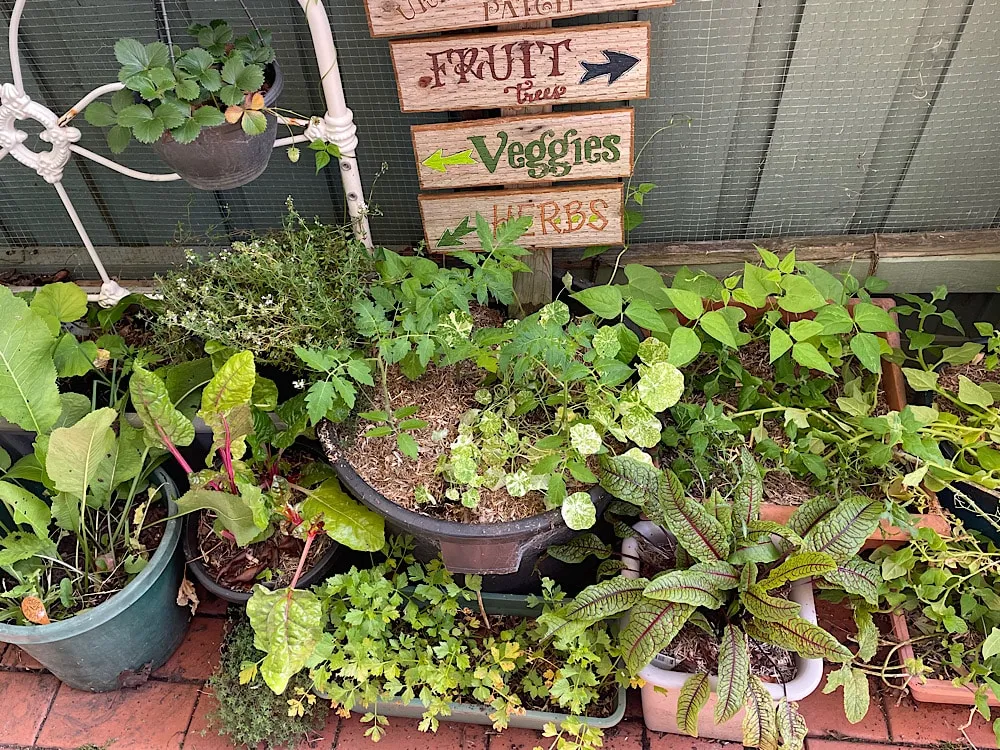
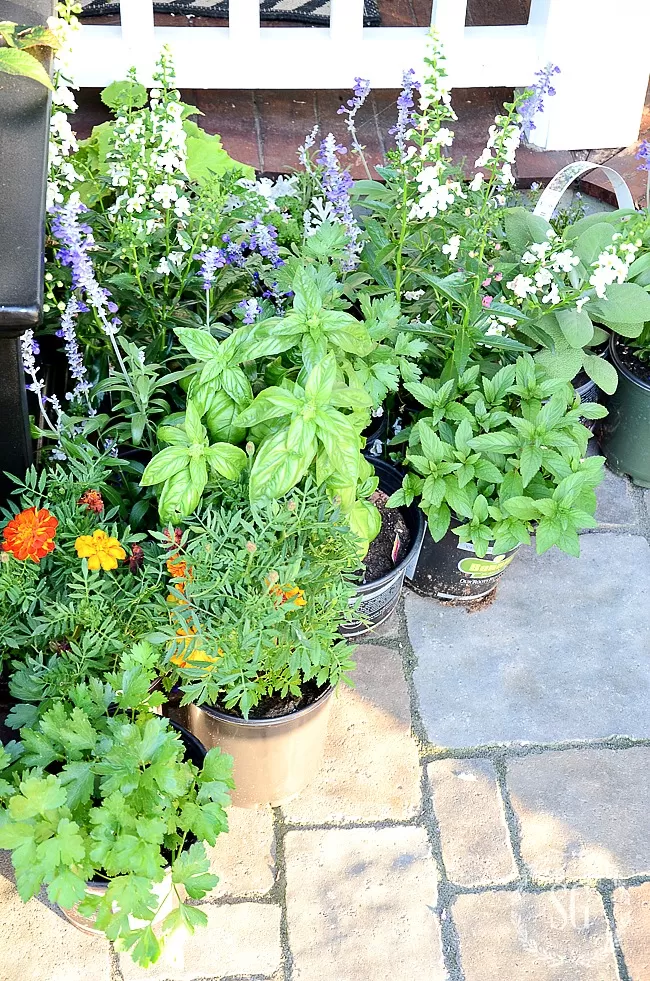
 Diverse container garden display on a patio, showcasing various plants in different pots.
Choosing the Right Plants for Your Summer Edimental Container
Success starts with selecting plants that not only look good and taste good but also thrive in containers during the summer heat. Consider plants that are naturally compact, those that can be harvested continuously, or varieties specifically bred for container growing.
Popular Edimental Heroes for Summer Pots
Here are a few stars that shine in summer containers, offering beauty and deliciousness:
-
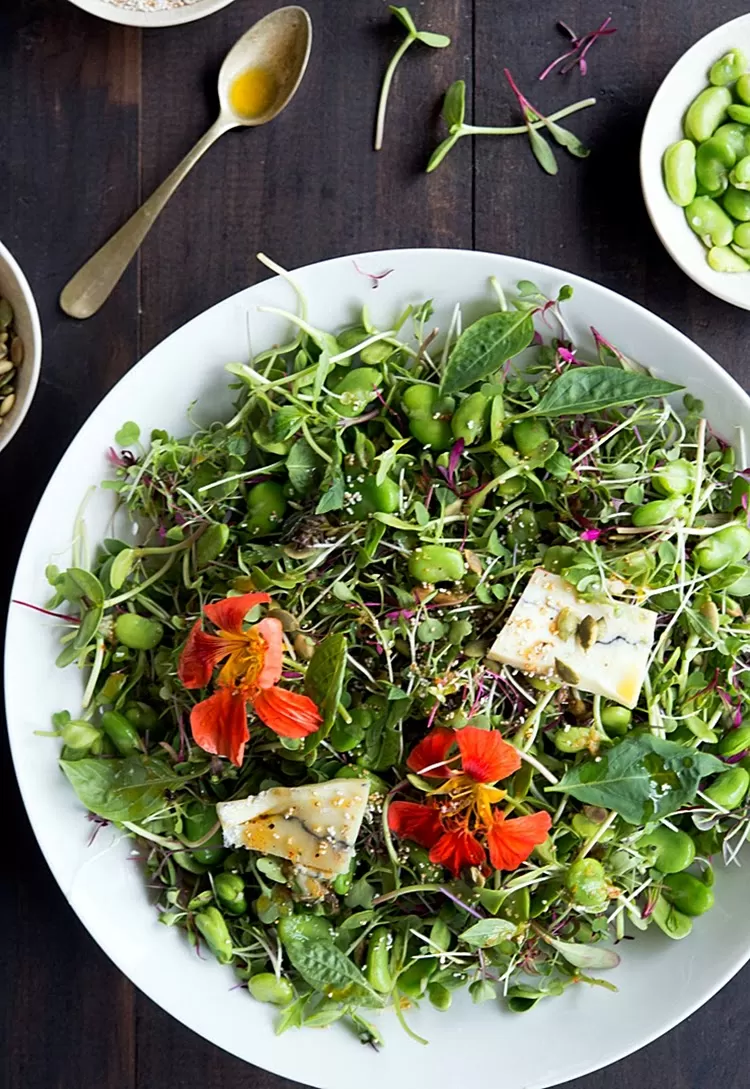
Nasturtiums: These cheerful flowers come in bright oranges, yellows, and reds. Their peppery petals are a fantastic addition to salads, and the leaves and young seed pods are also edible. Many varieties trail beautifully over the edges of pots.
- Scientific Name: Tropaeolum majus
- Common Name: Nasturtium
- Zone: 3-10 (often grown as an annual)
- Light: Full Sun to Partial Shade
- Humidity: Moderate
- Water: Moderate (drought tolerant once established, but appreciate regular watering in pots)
-
Bush Basil: While all basil is edible, bush varieties tend to stay more compact and bushy, making them ideal for pots. The fragrant leaves are a summer staple, and if you let it flower, the small white blooms are also edible and attract pollinators.
- Scientific Name: Ocimum basilicum
- Common Name: Basil
- Zone: 10-11 (usually grown as an annual)
- Light: Full Sun
- Humidity: Moderate to High
- Water: Consistent moisture (do not let soil dry out completely)
-
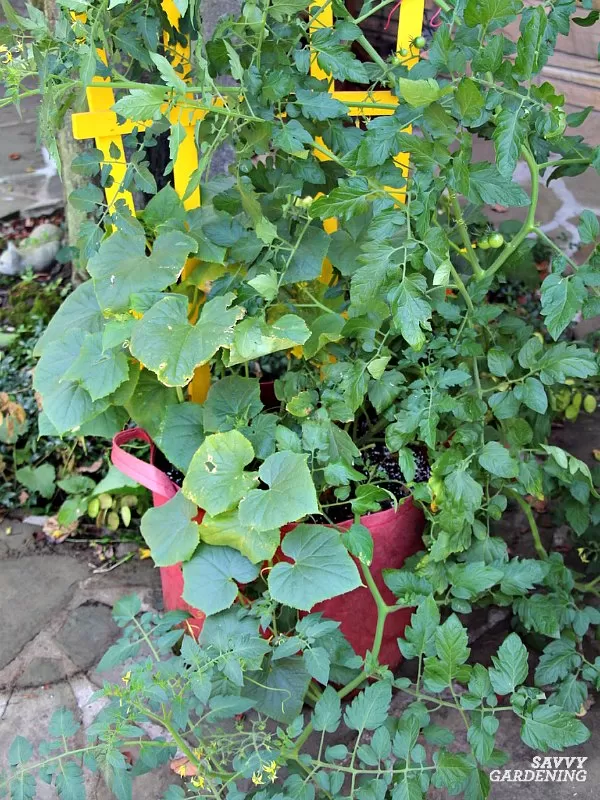
Cherry Tomatoes (Patio Varieties): Specially bred for pots, these produce abundant small, sweet fruits over the summer. Their vines can be trained up a small trellis in the pot, adding height and a cascade of colorful fruit as they ripen.
- Scientific Name: Solanum lycopersicum (Patio varieties)
- Common Name: Cherry Tomato
- Zone: 4-10 (grown as an annual)
- Light: Full Sun
- Humidity: Moderate
- Water: Consistent moisture (requires regular watering, especially when fruiting)
-
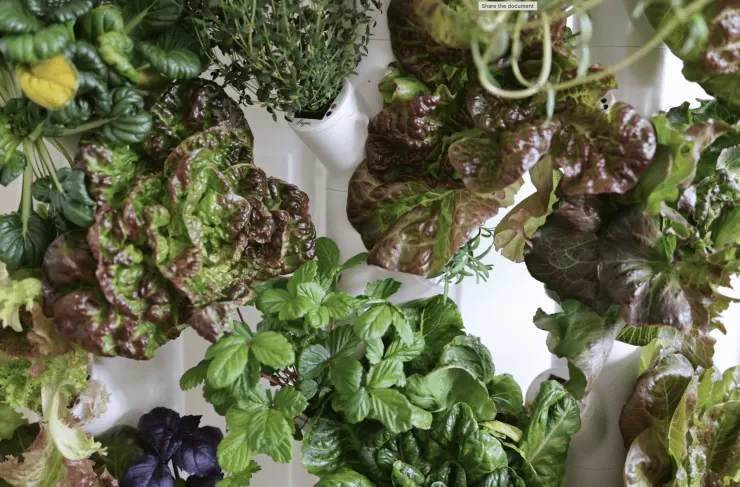
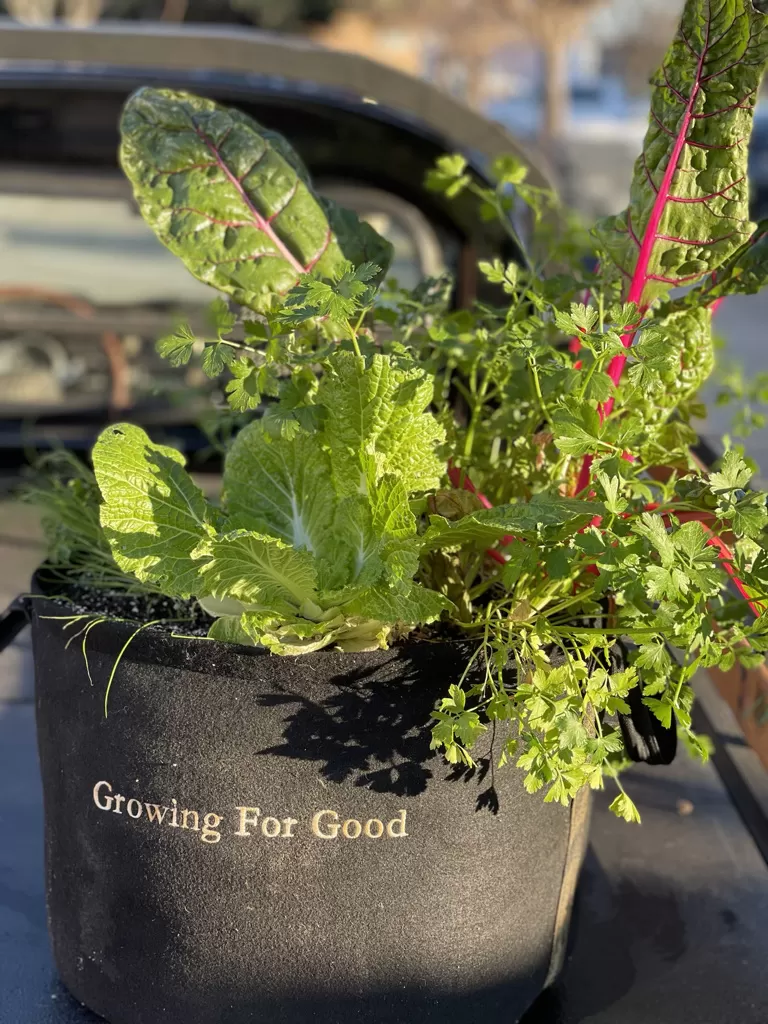
Rainbow Chard: Forget plain green! Varieties like ‘Bright Lights’ offer stunning stems in shades of red, pink, orange, and yellow with dark green leaves. The young leaves can be used in salads, and mature leaves/stems are delicious cooked. It adds amazing color and texture to a pot.
- Scientific Name: Beta vulgaris (Cicla Group)
- Common Name: Rainbow Chard
- Zone: 2-11 (often grown as annual/biennial)
- Light: Full Sun to Partial Shade
- Humidity: Moderate
- Water: Consistent moisture (dislikes drying out)
-
Alpine Strawberries: Unlike their larger cousins, Alpine strawberries produce smaller, intensely fragrant berries continuously throughout the summer. Their compact size and attractive foliage make them lovely in pots, and they can even tolerate some shade.
- Scientific Name: Fragaria vesca
- Common Name: Alpine Strawberry
- Zone: 3-10
- Light: Full Sun to Partial Shade
- Humidity: Moderate
- Water: Consistent moisture
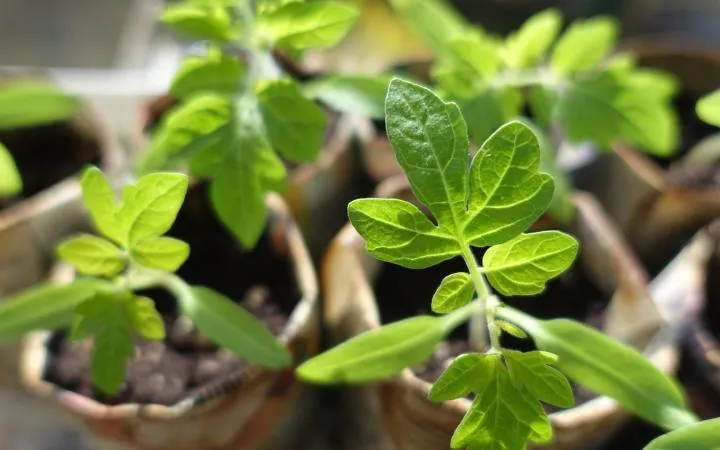
 Close-up view of beautiful edimental plants growing in terracotta pots, mixing colorful foliage and potential edibles.
Designing Your Edimental Containers
The beauty of edimental containers lies in the design. Treat them like miniature landscapes! Combine plants with different heights, textures, and colors. You can use the “Thriller, Filler, Spiller” concept – a taller plant in the center (like a staked tomato or chard), bushier plants around it (like basil or chard), and trailing plants spilling over the sides (like nasturtiums or strawberries).
Think about leaf shapes (feathery basil vs. broad chard vs. rounded nasturtium leaves) and colors (green, red, yellow, variegated). Don’t be afraid to mix edibles and purely ornamental plants if they have similar care needs – just be sure you know which is which! Grouping several edimental pots together can create a stunning and functional display on a patio or deck. You could even dedicate pots to themes, like a “Pizza Herb Pot” or a “Summer Salad Bowl” mix.
Essential Care Tips for Summer Edimentals in Pots
Container plants, especially in summer, dry out much faster than those in the ground. Consistent care is key to a thriving edimental display.
- Watering: This is the most critical task. Check pots daily, sometimes twice a day during hot, windy weather. Water thoroughly until water runs out the drainage holes.
- Soil: Use a high-quality potting mix. This provides good drainage while retaining enough moisture and nutrients. Avoid using garden soil, which can compact in pots.
- Sunlight: Most summer edimentals need at least 6-8 hours of sun. Place your pots in a location that meets their light requirements.
- Fertilizing: Since nutrients leach out of pots over time, feed your plants every few weeks with a balanced liquid fertilizer according to package directions. Edibles often benefit from slightly more frequent feeding.
- Harvesting: Regularly harvesting leaves, flowers, or fruits encourages the plant to produce more! This also keeps them looking tidy.
Troubleshooting Common Issues
Even with the best care, container plants can sometimes face challenges.
- Pests: Aphids and spider mites can sometimes become an issue. Often, a strong blast of water from the hose can dislodge them. For persistent problems, insecticidal soap (approved for edibles if you plan to eat that part of the plant) can be used following instructions.
- Diseases: Fungal diseases can occur if leaves stay wet or there’s poor air circulation. Ensure good spacing between plants and avoid overhead watering, especially late in the day.
- Heat Stress: Wilting despite watering can indicate heat stress. If possible, move pots to a slightly shadier spot during the hottest part of the day or provide temporary shade.
Growing edimentals in containers for summer is a joyful experience that rewards you with both beauty and delicious, fresh food. It’s gardening made easy, accessible, and incredibly satisfying.
Conclusion
Creating summer edimental container gardens is a fantastic way to maximize your space, enjoy the freshness of homegrown food, and add unique beauty to your surroundings. By choosing the right plants, designing thoughtfully, and providing consistent care, you can enjoy a vibrant, edible display all season long.
Why not give it a try this summer? You might be surprised at how much you can grow and how much joy these multipurpose plants bring. Share your own summer edimental container ideas in the comments below! Looking for more gardening inspiration? Explore other articles on Thelittle.garden for tips and ideas tailored to your home garden journey.