- Transform small spaces: Turn balconies, patios, or walls into productive food gardens.
- Enjoy fresh produce: Harvest your own herbs, greens, and even some vegetables just steps from your kitchen.
- Learn essential skills: Master the basics of soil, watering, and feeding for success in limited volume.
- Choose plants wisely: Select edibles that thrive in your specific light conditions – from shady corners to sunny walls.
- Experiment and adapt: Find the perfect plant combinations for your unique vertical edible planter setup.
Living in a city or just have a small patch of outdoor space? Don’t let limited square footage cramp your gardening dreams! Vertical edible planters are a fantastic way to maximize your growing area, transforming blank walls and railings into lush, productive foodscapes. Imagine stepping outside to snip fresh herbs for dinner or pluck vibrant salad greens – all grown vertically right where you live. It’s not just about saving space; it’s about bringing the joy and flavor of homegrown food into your everyday life. Ready to reach for the sky with your garden?
The Essentials for Thriving Vertical Edible Planters
Growing food upwards presents unique opportunities and challenges compared to traditional garden beds. Success with your vertical edible planters hinges on understanding a few key basics.
The Right Growing Medium
In a standard garden bed, roots can stretch far and wide for nutrients and moisture. In a vertical planter, space is limited. This makes the quality of your soil (or growing medium) incredibly important. You need a mix that is lightweight enough for the structure, retains moisture well, but also drains properly to prevent waterlogging. Start with the highest quality potting mix you can find. Adding a good organic compost or worm castings will introduce beneficial microbes and provide a slow release of nutrients, giving your plants the best possible start.
Mindful Watering is Key
Vertical planters are often more exposed to sun and wind than ground-level beds, meaning they can dry out significantly faster. Water evaporates more quickly from the sides and top layers. Consistent moisture is crucial, especially for hungry edible plants. You might need to water more frequently than you’re used to, perhaps even daily during hot, dry spells. Consider a simple drip irrigation system for convenience, or make a habit of checking the moisture level with your finger each morning. Underwatering is a common pitfall, but with attention, you can keep your plants hydrated and happy.
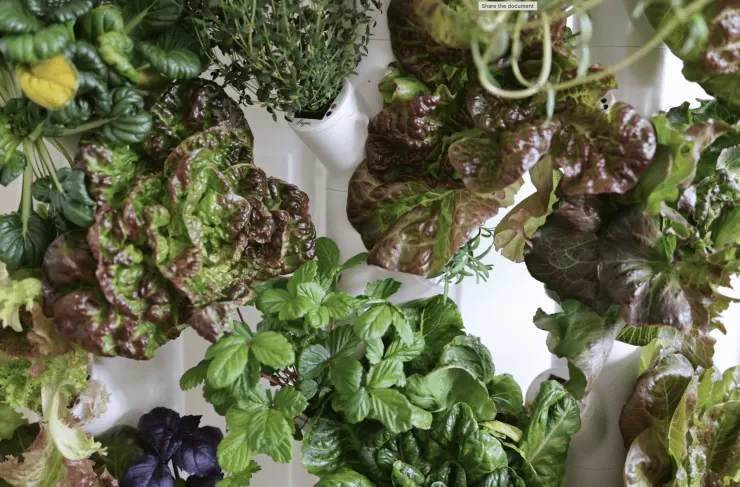
 Vertical garden wall with various herbs and leafy greens
Feeding Your Hungry Plants
As you harvest leaves, herbs, and fruits from your vertical edible planters, you are removing nutrients from the system. Since the soil volume is small and relatively isolated, these nutrients need to be replenished. Regular feeding with a diluted liquid organic fertilizer, like compost tea or worm juice, will keep your plants productive and healthy. Think of it as giving them a regular energy boost to fuel their growth and the delicious food they provide.
Selecting Edibles for Your Vertical Space
Choosing the right plants is perhaps the most exciting part! The best edibles for your vertical garden will depend heavily on the conditions of your specific location, especially the amount of sunlight it receives throughout the day. Is it bathed in sun, shaded by a building, or somewhere in between?
Thriving in Full Shade
Don’t despair if your vertical space is mostly shady! Many delicious edibles actually prefer less intense light and will flourish in these conditions. Look for plants that naturally grow in cooler, damper environments.
- Mints (various types like Kitchen, Chocolate, Moroccan):
- Scientific Name: Mentha spp.
- Common Name: Mint
- Zone: Typically 3-8 (varies by species)
- Light: Full Sun to Part Shade (Often thrives in partial shade, especially in hot climates)
- Humidity: Moderate
- Water: Consistently moist soil
- Thai Basil:
- Scientific Name: Ocimum basilicum var. thyrsiflora
- Common Name: Thai Basil
- Zone: Typically 10-11 (often grown as annual)
- Light: Full Sun to Part Shade
- Humidity: Moderate to High
- Water: Consistently moist soil
- Watercress:
- Scientific Name: Nasturtium officinale
- Common Name: Watercress
- Zone: Typically 6-9
- Light: Full Sun to Part Shade (Prefers cooler water)
- Humidity: High
- Water: Requires consistently wet soil or even flowing water
- Sorrel:
- Scientific Name: Rumex acetosa
- Common Name: Sorrel
- Zone: Typically 4-9
- Light: Full Sun to Part Shade
- Humidity: Moderate
- Water: Consistently moist soil
- Lemon Balm:
- Scientific Name: Melissa officinalis
- Common Name: Lemon Balm
- Zone: Typically 3-7
- Light: Full Sun to Part Shade
- Humidity: Moderate
- Water: Moderately moist, drought tolerant once established
- Violets (Edible varieties):
- Scientific Name: Viola odorata, Viola tricolor (for violas/pansies)
- Common Name: Violet
- Zone: Typically 3-9 (varies by species)
- Light: Part Shade to Full Shade
- Humidity: Moderate
- Water: Consistently moist soil
Best for Part Shade
These plants appreciate some sun but also benefit from protection during the hottest part of the day. A spot that gets morning sun or dappled light is often perfect.
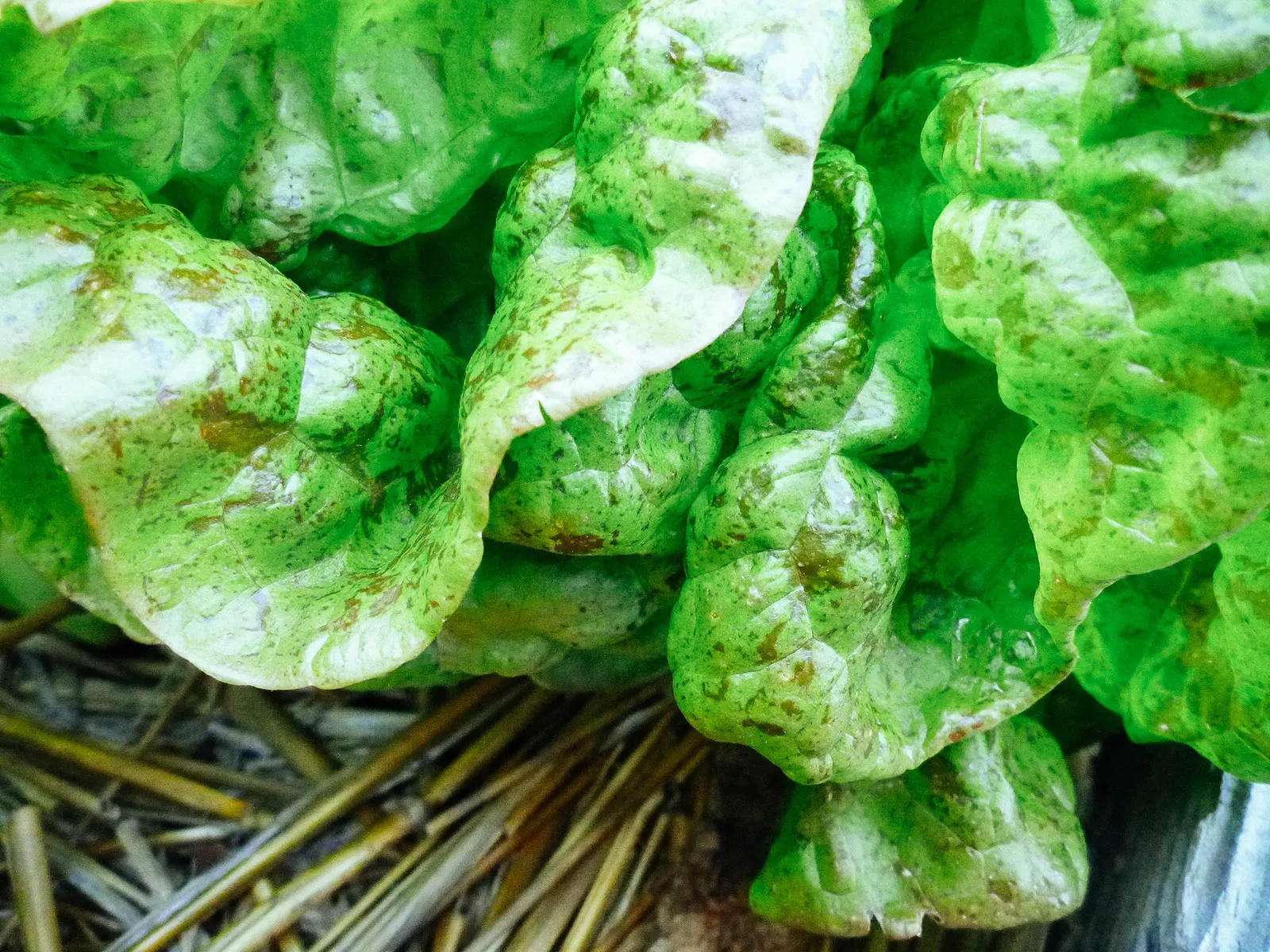
- Lettuces (leafy varieties):
- Scientific Name: Lactuca sativa
- Common Name: Lettuce
- Zone: Typically 4-9 (depends on variety, often grown as annual)
- Light: Full Sun to Part Shade
- Humidity: Moderate
- Water: Consistently moist soil
- Rocket (Arugula):
- Scientific Name: Eruca vesicaria
- Common Name: Rocket (Arugula)
- Zone: Typically 3-11 (grown as annual)
- Light: Full Sun to Part Shade
- Humidity: Moderate
- Water: Consistently moist soil
- Silverbeet (Swiss Chard):
- Scientific Name: Beta vulgaris subsp. vulgaris
- Common Name: Silverbeet (Swiss Chard)
- Zone: Typically 4-10
- Light: Full Sun to Part Shade
- Humidity: Moderate
- Water: Consistently moist soil
- Radishes:
- Scientific Name: Raphanus sativus
- Common Name: Radish
- Zone: Typically 2-11 (grown as annual)
- Light: Full Sun to Part Shade
- Humidity: Moderate
- Water: Consistently moist soil (important for quick growth)
- Dwarf Cabbage (select varieties):
- Scientific Name: Brassica oleracea (various cultivars)
- Common Name: Cabbage
- Zone: Typically 3-9 (depends on variety)
- Light: Full Sun (Can tolerate some part shade)
- Humidity: Moderate
- Water: Consistently moist soil
- Chives:
- Scientific Name: Allium schoenoprasum
- Common Name: Chives
- Zone: Typically 3-9
- Light: Full Sun to Part Shade
- Humidity: Low to Moderate
- Water: Moderately moist soil
- Basil:
- Scientific Name: Ocimum basilicum
- Common Name: Basil
- Zone: Typically 10-11 (often grown as annual)
- Light: Full Sun (Can tolerate a little part shade)
- Humidity: Moderate to High
- Water: Consistently moist soil
- Parsley:
- Scientific Name: Petroselinum crispum
- Common Name: Parsley
- Zone: Typically 2-11 (often grown as biennial)
- Light: Full Sun to Part Shade
- Humidity: Moderate
- Water: Consistently moist soil
 Closeup of lush green herbs and plants growing in vertical wall pockets.
Sunshine Lovers (Full Sun)
For those vertical planters that get baked in the sun, choose heat-tolerant varieties. Consider planting some fast-growing, harvest-and-come-again greens like rocket or silverbeet in the upper pockets; their leaves can provide a little shade for plants below as they grow.
- Cherry Tomatoes (Dwarf/Determinate varieties):
- Scientific Name: Solanum lycopersicum var. cerasiforme
- Common Name: Cherry Tomato
- Zone: Typically 10-11 (often grown as annual)
- Light: Full Sun (Requires at least 6-8 hours)
- Humidity: Moderate
- Water: Consistently moist soil, avoid wetting leaves
- Rocket (Arugula): (Also listed in Part Shade, it’s versatile)
- Scientific Name: Eruca vesicaria
- Common Name: Rocket (Arugula)
- Zone: Typically 3-11 (grown as annual)
- Light: Full Sun to Part Shade (Can bolt faster in full sun)
- Humidity: Moderate
- Water: Consistently moist soil
- Sage:
- Scientific Name: Salvia officinalis
- Common Name: Sage
- Zone: Typically 4-10
- Light: Full Sun
- Humidity: Low
- Water: Prefers drier soil, drought tolerant once established
- Thyme (Creeping or Common):
- Scientific Name: Thymus serpyllum or Thymus vulgaris
- Common Name: Thyme
- Zone: Typically 4-9
- Light: Full Sun
- Humidity: Low
- Water: Prefers drier soil, drought tolerant
- Silverbeet (Swiss Chard): (Also listed in Part Shade, it’s versatile)
- Scientific Name: Beta vulgaris subsp. vulgaris
- Common Name: Silverbeet (Swiss Chard)
- Zone: Typically 4-10
- Light: Full Sun to Part Shade (More productive in full sun)
- Humidity: Moderate
- Water: Consistently moist soil
- Malabar Spinach:
- Scientific Name: Basella alba
- Common Name: Malabar Spinach
- Zone: Typically 10-11 (grown as annual in cooler climates)
- Light: Full Sun to Part Shade
- Humidity: High
- Water: Consistently moist soil (Heat tolerant)
- Aloe Vera (Edible varieties):
- Scientific Name: Aloe vera
- Common Name: Aloe Vera
- Zone: Typically 10-12
- Light: Full Sun to Part Shade
- Humidity: Low
- Water: Low, allow soil to dry between waterings
- Pigface (Edible varieties like Carpobrotus edulis):
- Scientific Name: Carpobrotus edulis
- Common Name: Pigface (Ice Plant)
- Zone: Typically 8-10
- Light: Full Sun
- Humidity: Low
- Water: Very low, drought tolerant
- Purslane:
- Scientific Name: Portulaca oleracea
- Common Name: Purslane
- Zone: Often grown as annual (acts as perennial in warmer zones)
- Light: Full Sun
- Humidity: Low
- Water: Low, drought tolerant
Note: Plant hardiness zones are general guides. Always research suitability for your specific microclimate and season.
 Image showing the frame structure of a vertical garden system being installed on a wall.
Making Your Vertical Edible Planters Happen
There are countless ways to create vertical edible planters. You can go the DIY route using recycled materials like pallets, plastic bottles, or rain gutters. There are also many ready-made systems available, ranging from simple fabric pockets to more complex modular units. When choosing a system, consider the size of the planting pockets – larger pockets generally hold more soil, leading to healthier roots and better moisture retention, which is a big plus for edible plants. Ease of planting and maintenance (like removing individual pots) can also make a difference in your long-term enjoyment.
 A hand inserting a small plant seedling into a pocket of a vertical garden module.
 Several vertical garden modules stacked together on a wall.
 A closer view of the plastic vertical garden modules and their structure.
 Filling the pockets of a vertical garden system with potting soil.
 A completed section of a vertical garden wall with plants beginning to fill the pockets.
 A vertical garden wall fully planted and beginning to grow.
Tips for Success with Vertical Edible Planters
Gardening is always a journey of learning, and vertical gardening is no exception. Since vertical edible planters are often highly visible features, any struggles your plants face will be quite apparent! Don’t be discouraged if a particular plant doesn’t thrive in a specific spot.
Experimentation is key. Try different plant varieties, adjust your watering schedule, and observe how the light and wind affect different parts of your vertical garden throughout the day and the seasons. Don’t be afraid to swap plants around or replace ones that aren’t working. The faster you learn what flourishes in your unique conditions, the sooner you’ll be enjoying a bountiful harvest of your own delicious, homegrown food.
Ready to Grow Up?
Vertical edible planters offer a fantastic solution for bringing fresh, homegrown food into even the smallest urban or suburban spaces. By focusing on quality soil, diligent watering, regular feeding, and smart plant selection based on light conditions, you can create a beautiful and productive vertical garden that provides delicious harvests right outside your door. It’s a rewarding way to connect with your food and make the most of your space.
Have you tried vertical edible planters? What are your favorite plants to grow vertically? Share your experiences and tips in the comments below! And if you’re looking for more ways to grow food or enhance your garden space, explore other articles here at Thelittle.garden.