- Okra is surprisingly well-suited for container gardening, even in limited spaces like balconies.
- Warm temperatures and plenty of sunlight are key to a successful okra harvest.
- Choosing the right container size and providing adequate spacing is crucial for healthy plant growth.
- Okra is relatively drought-tolerant once established, making it forgiving for container growers.
- Timely harvesting is essential to enjoy tender, delicious okra pods.
Who would have thought that the key to discovering a new favorite vegetable and a rewarding gardening adventure could start right on a balcony? My journey with growing okra in balcony containers began unexpectedly a few years ago. Before then, okra wasn’t on my radar – I’d never tried it, didn’t know how to grow it, let alone harvest or cook it. But prompted by a fellow gardener and a single seedling, I decided to dive in. What I discovered was a resilient, productive, and surprisingly beautiful plant that absolutely thrives in pots. If you’ve ever dreamed of plucking fresh, tender okra right outside your door, join me as we explore how easy and rewarding growing okra in balcony containers can be.
Contents
- Why Choose Okra for Your Balcony Garden?
- Setting Up for Success: Location, Containers, and Space
- Sunlight Requirements
- Selecting Containers
- Giving Okra Room
- Getting Started: From Seed to Seedling
- Temperature Needs
- Soil, Feeding, and Companion Planting
- Soil Type and Feeding
- Companion Planting Tips
- Watering Your Balcony Okra
- Okra’s Drought Tolerance
- Harvesting Your Okra Bounty
- When and How to Harvest Okra
- Avoiding Tough Pods
- Okra Plant Profile
- Common Okra Issues
- Ready to Grow Your Own Okra?
Why Choose Okra for Your Balcony Garden?
Okra, often overlooked for more common container crops like tomatoes or peppers, is a fantastic choice for balcony growers. Its upright growth habit makes efficient use of vertical space, and many varieties are well-suited to life in a pot. Not only do you get delicious pods, but the plants themselves are quite attractive with their large, hibiscus-like flowers. It’s a way to bring a touch of the garden patch feel right to your urban oasis.
Setting Up for Success: Location, Containers, and Space
Success in growing okra in balcony containers starts with the right location and proper setup. Okra is a sun-worshipper and needs room to grow its roots and reach for the sky.
Sunlight Requirements
Okra absolutely loves heat and sunshine. For your plants to thrive and produce abundant pods, they need a minimum of six to eight hours of direct sunlight per day. Position your balcony containers in the sunniest spot available. South-facing balconies are ideal, but any spot that gets ample afternoon sun will work.
Selecting Containers
When growing okra in balcony containers, size matters! Okra plants can grow quite tall and need sturdy roots to support their height and yield. Choose containers that are at least 10-12 inches in diameter and depth, though larger pots (15-20 inches) are even better as they provide more soil volume, which helps retain moisture and support bigger plants. Ensure your containers have drainage holes to prevent waterlogging.
Giving Okra Room
While okra grows upright, it does branch out. If planting multiple okra seeds or seedlings in a large container or trough, give them space. Aim for at least 6-8 inches between plants. If using individual pots, one plant per 10-12 inch pot is usually sufficient. This spacing ensures good air circulation and reduces competition for nutrients and light.
 Tall okra plant thriving in a large container on a balcony garden
Getting Started: From Seed to Seedling
Okra is a warm-season crop, meaning it really takes off when temperatures rise.
Temperature Needs
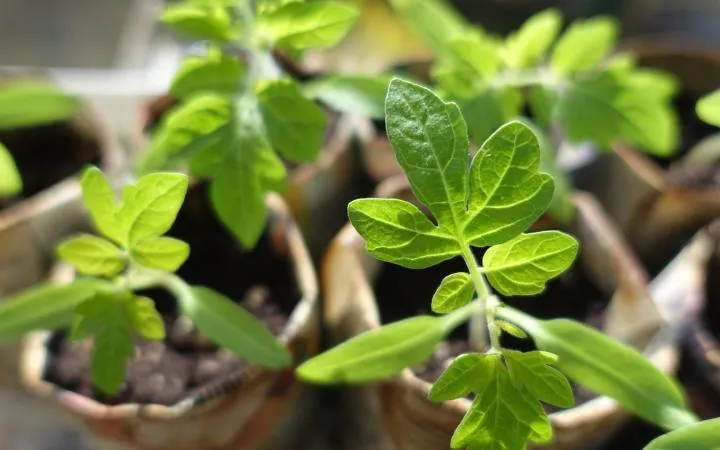
Soil temperature is crucial for okra seed germination. Wait until temperatures are consistently above 65°F (18°C) before sowing seeds directly outdoors or on your balcony. If you live in a cooler climate or want a head start, you can start okra seeds indoors 3-4 weeks before your last expected frost. Use peat pots or other biodegradable containers to minimize transplant shock, as okra roots can be sensitive. Harden off seedlings before moving them to their final balcony containers.
Soil, Feeding, and Companion Planting
The right foundation and nutrients will boost your okra harvest.
Soil Type and Feeding
Use a high-quality, well-draining potting mix specifically formulated for containers. Mixing in some compost or well-rotted manure before planting provides initial nutrients. Okra is a relatively heavy feeder, especially of nitrogen. You can incorporate a slow-release granular fertilizer at planting time or plan to feed your plants every 2-3 weeks with a balanced liquid fertilizer once they start flowering and producing pods.
Companion Planting Tips
Okra benefits from having good neighbors. Planting nitrogen-fixing plants like bush beans or peas in nearby containers can help enrich the soil. Okra flowers are also attractive to pollinators. Placing your okra containers near herbs like basil or flowering plants like lavender can help attract bees and other beneficial insects, which is great for the overall health of your balcony garden ecosystem and can even deter some pests.
 Several tall okra plants growing together in balcony garden containers
Watering Your Balcony Okra
Watering is key for container plants, but okra offers a little wiggle room.
Okra’s Drought Tolerance
Once established, okra is surprisingly drought-tolerant. This is a bonus for container gardeners, as pots can dry out quickly. While okra can survive drier spells, consistent watering will result in better production. Water deeply when the top inch of soil feels dry, ensuring water drains out the bottom. In hot weather, this might be daily. Signs of stress include wilting leaves during the day (they should perk up in the evening if watered enough) or stunted growth. Avoid letting containers sit in saucers of water, which can lead to root rot.
Harvesting Your Okra Bounty
This is the exciting part! Knowing when and how to harvest is crucial for enjoying tender okra pods.
When and How to Harvest Okra
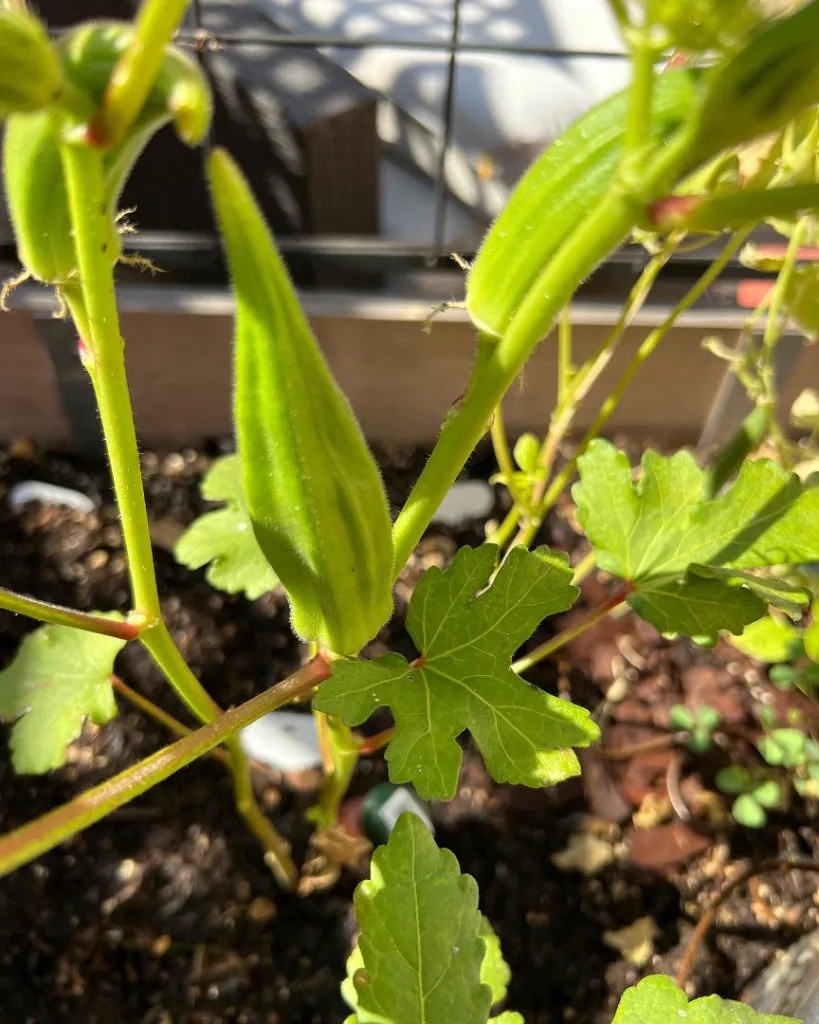
Okra pods grow fast in warm weather. They are typically ready to harvest about 4-8 days after the flower blooms, when the pods are 2-4 inches long. A good indicator is the “snap” test – a tender pod will snap easily when bent. If it’s tough to snap, it’s likely too old and fibrous. Harvest regularly, ideally daily or every other day during peak production, to encourage the plant to produce more pods. Use a sharp knife or pruning shears to cut the stem just below the cap.
Avoiding Tough Pods
My first experience with growing okra in balcony containers taught me a valuable lesson: don’t wait too long! Overgrown pods become woody and inedible. Even large, beautiful pods that look ready can be too tough if they’ve been on the plant for too long. The 2-4 inch length and the snap test are your best guides. If you find yourself with a tough pod, don’t despair – leave it on the plant to mature fully for seeds for next season!
 Overgrown, tough okra pod and a vibrant yellow okra flower on a balcony plant
Okra Plant Profile
- Scientific Name: Abelmoschus esculentus
- Common Name: Okra, Lady’s Finger, Gumbo
- Zone: Typically grown as an annual in zones 2-11; can be perennial in zones 9-11.
- Light: Full sun (6-8+ hours daily).
- Humidity: Prefers moderate to high humidity but tolerates drier conditions.
- Water: Drought-tolerant once established, but regular watering is best for production.
Common Okra Issues
Okra is generally quite hardy, but like any plant, can encounter issues. The most common problems are usually related to watering (too much or too little) or pests. Aphids can sometimes be a nuisance; a strong spray of water or insecticidal soap can help. Ensure good air circulation to prevent fungal diseases, which is easier in containers on a balcony than in crowded garden beds. Healthy plants are always more resistant to pests and diseases, so focus on providing adequate sun, water, and nutrients.
 Beautiful yellow okra blooms next to purple lavender in a container garden
Ready to Grow Your Own Okra?
Growing okra in balcony containers is a rewarding endeavor that brings fresh, delicious vegetables right to your fingertips. From the striking yellow flowers to the satisfying harvest, okra is a joy to cultivate. Don’t be intimidated if you’re new to it – start with a plant or two and learn as you go. The taste of your first homegrown okra pod is worth every bit of effort!
Have you tried growing okra in balcony containers? Share your experiences or questions in the comments below! Happy gardening, and happy harvesting!