Key Takeaways:
- Growing your own mixed leafy salad greens offers unparalleled freshness and flavor, right from your backyard.
- A wide variety of greens can be easily grown, perfect for creating your own custom salad blends.
- Basic care like proper soil, light, and consistent watering ensures a bountiful harvest.
- Master simple harvesting techniques to encourage continuous growth and enjoy fresh salads all season long.
- Whip up a quick and zingy homemade vinaigrette to truly showcase the vibrant taste of your garden-fresh greens.
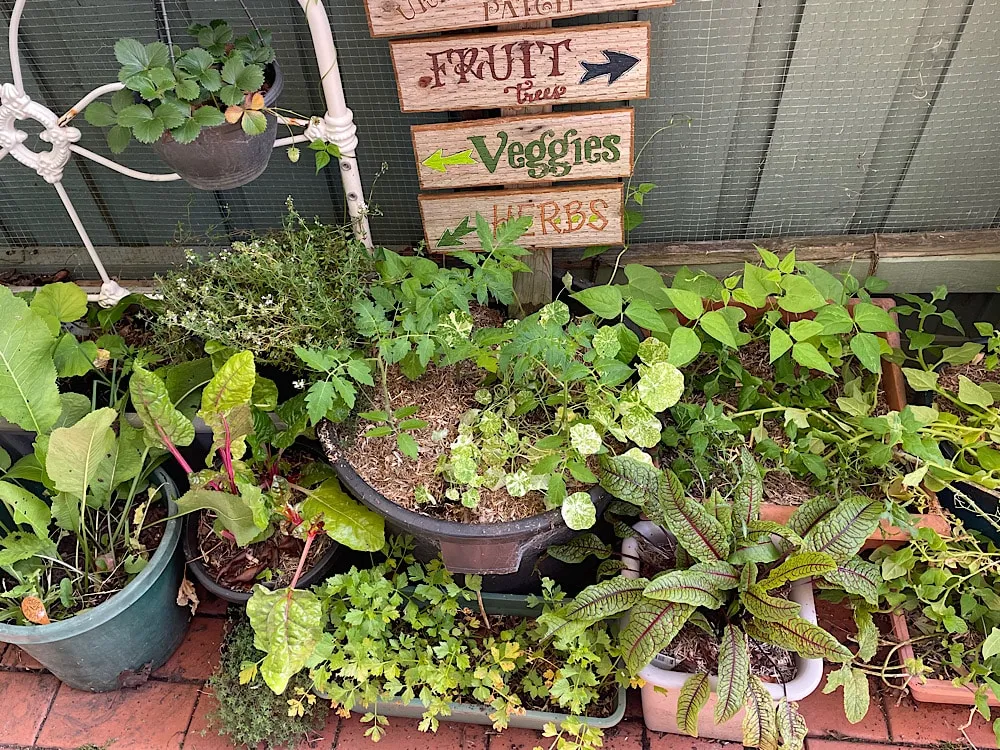
Imagine stepping out into your garden, gathering a handful of vibrant, crisp leaves, and minutes later, sitting down to a salad bursting with flavor that you grew yourself. This isn’t a distant dream; it’s the simple joy of cultivating your own mixed leafy salad greens. Far surpassing store-bought options in both taste and vitality, homegrown greens offer a connection to your food and an effortless way to bring health and deliciousness to your table. Whether you have sprawling raised beds or just a sunny windowsill, discovering the ease and rewards of growing these versatile leaves will transform your relationship with salad forever.
Contents
- Key Takeaways:
- Why Grow Your Own Mixed Leafy Salad Greens?
- Popular Types of Mixed Leafy Salad Greens
- Getting Started: Planting and Care
- Site Selection and Soil
- Sowing Seeds
- Watering
- Specific Plant Details for Common Greens:
- Harvesting Your Bounty
- Beyond the Garden: Using Your Fresh Mixed Leafy Salad Greens
- A Simple, Zingy Vinaigrette
- Assembling Your Salad
- Serving Suggestions
- Common Pests and Problems
- Enjoying Your Garden’s Harvest
Why Grow Your Own Mixed Leafy Salad Greens?
There’s something incredibly satisfying about harvesting your own food. For mixed leafy salad greens, the difference is truly remarkable. You control the environment, avoiding pesticides and ensuring your greens are picked at their peak, offering nutrients and flavor that diminish quickly after harvest. It’s also wonderfully convenient – no last-minute trips to the grocery store when you crave a fresh side dish. Plus, growing your own can be surprisingly economical, yielding continuous harvests from just a small space.
Popular Types of Mixed Leafy Salad Greens
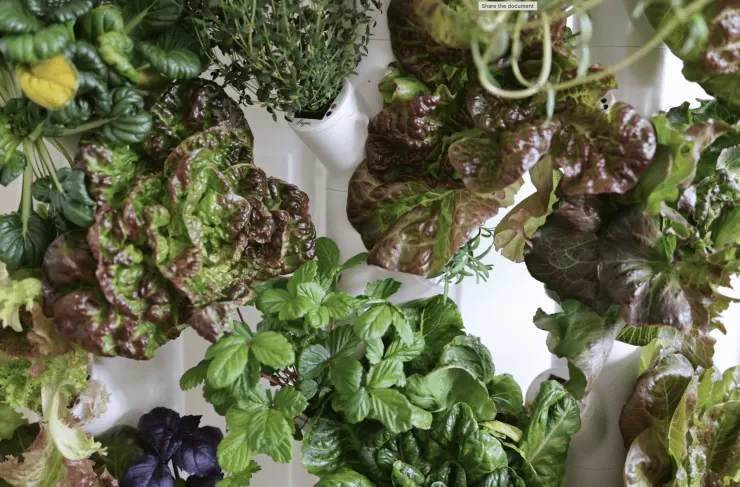
The beauty of a mixed leafy salad lies in its variety. Blending different textures, flavors, and colors creates a dynamic experience. Here are some popular choices perfect for mixing and matching in your garden:
- Spring Mix/Mesclun: Often a blend of young, tender greens like baby romaine, oakleaf, red leaf lettuce, spinach, and sometimes spicy additions like arugula or mustard greens. These are quick-growing and provide a soft, delicate base.
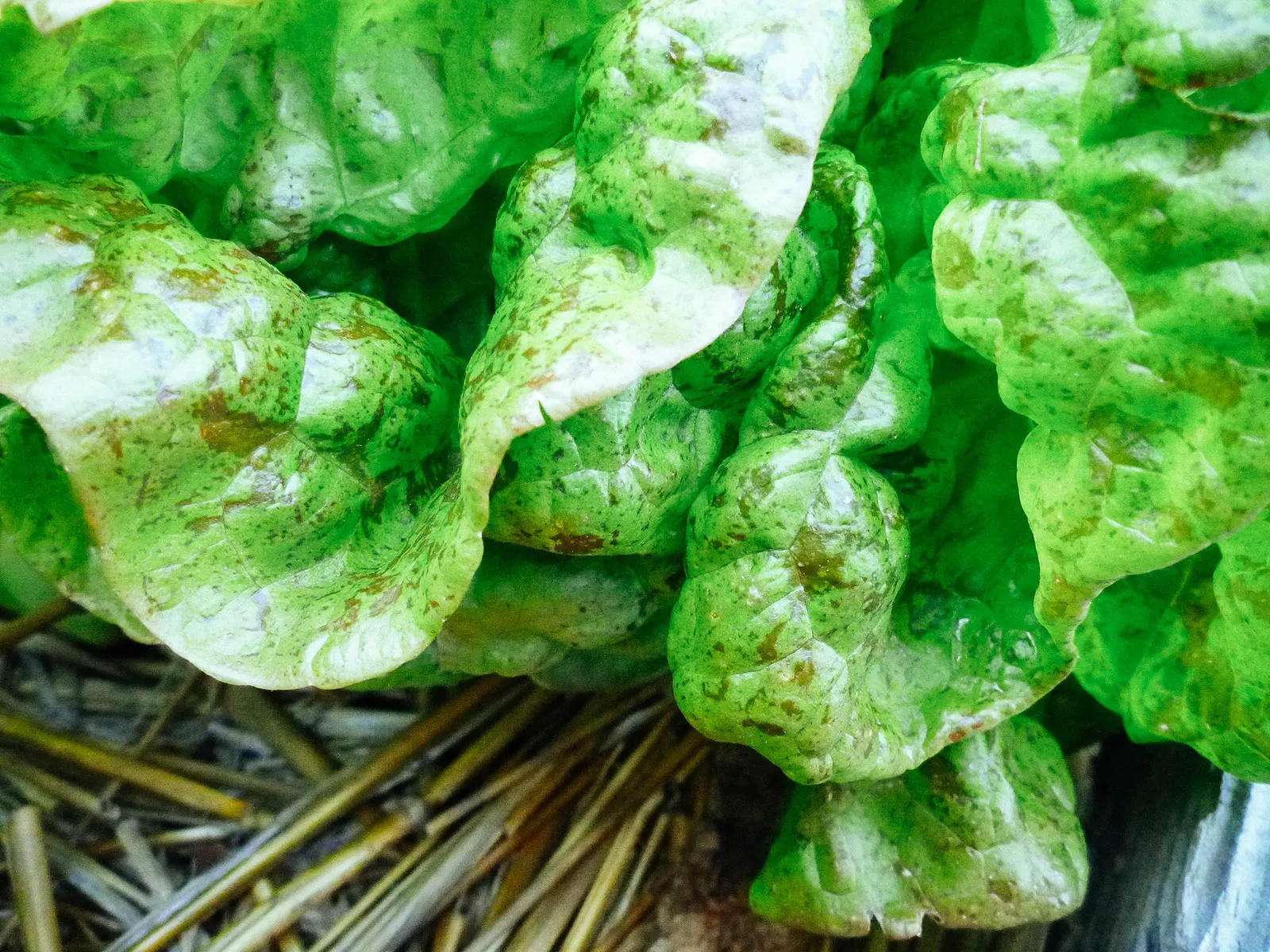
- Romaine Lettuce: Offers a crisp, crunchy texture and mild flavor, providing structure to mixes.
- Butter Lettuce: Known for its soft, buttery texture and sweet taste, adding a luxurious feel.
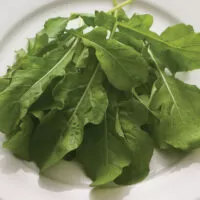
- Arugula: Brings a peppery, slightly spicy kick that can elevate a simple salad.
- Spinach: Mild and tender, adaptable to both raw salads and light cooking.
- Radicchio: Adds a beautiful splash of deep red and a pleasant, slightly bitter note.
- Endive: Offers a crisp texture and distinctive, slightly bitter flavor.
Choosing a mix allows you to enjoy a diverse range of greens in one go.
Getting Started: Planting and Care
Growing mixed leafy salad greens is one of the most beginner-friendly gardening endeavors. They are often quick to mature and require minimal fuss.
Site Selection and Soil
Most salad greens prefer a location with at least 4-6 hours of sunlight per day. While they can tolerate some shade, too little sun can result in leggy, less flavorful plants. The soil is key: they thrive in rich, well-drained soil. Amend your soil with compost before planting to provide essential nutrients and improve drainage.
Sowing Seeds
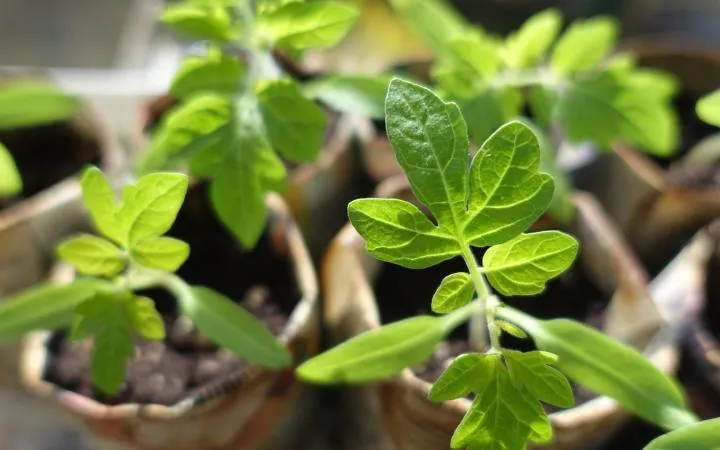
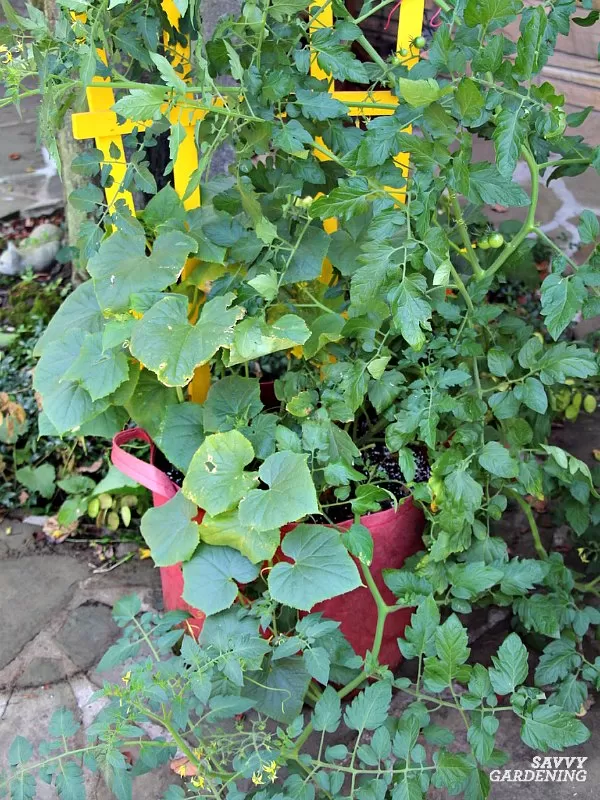
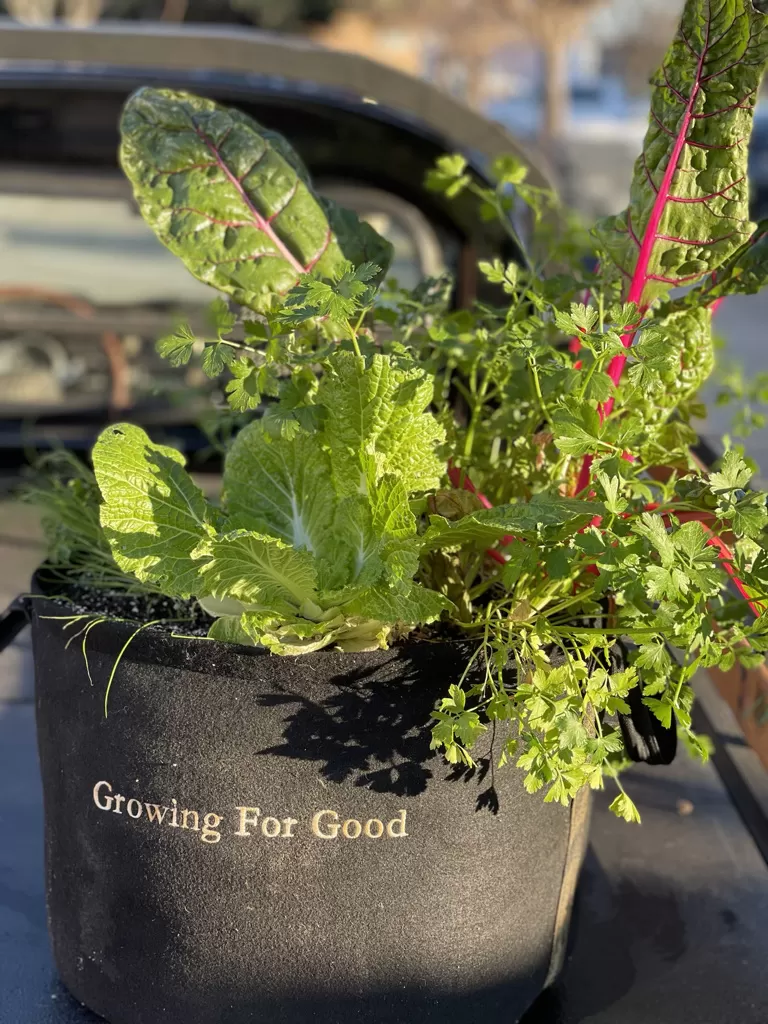
Salad greens can be sown directly into the garden bed or containers. Most varieties can be planted quite densely for a “cut-and-come-again” harvest. Follow seed packet instructions for specific spacing, but often you can sow seeds relatively close together and thin them later, or just let them grow into a thick patch for baby greens. For a continuous supply, sow seeds every 2-3 weeks throughout the growing season.
Watering
Consistent moisture is crucial for tender, sweet leaves. Dry spells can lead to bitterness and bolting (going to seed). Water regularly, especially during dry periods, aiming for consistently moist but not waterlogged soil. Watering the soil directly, rather than the leaves, can help prevent fungal diseases.
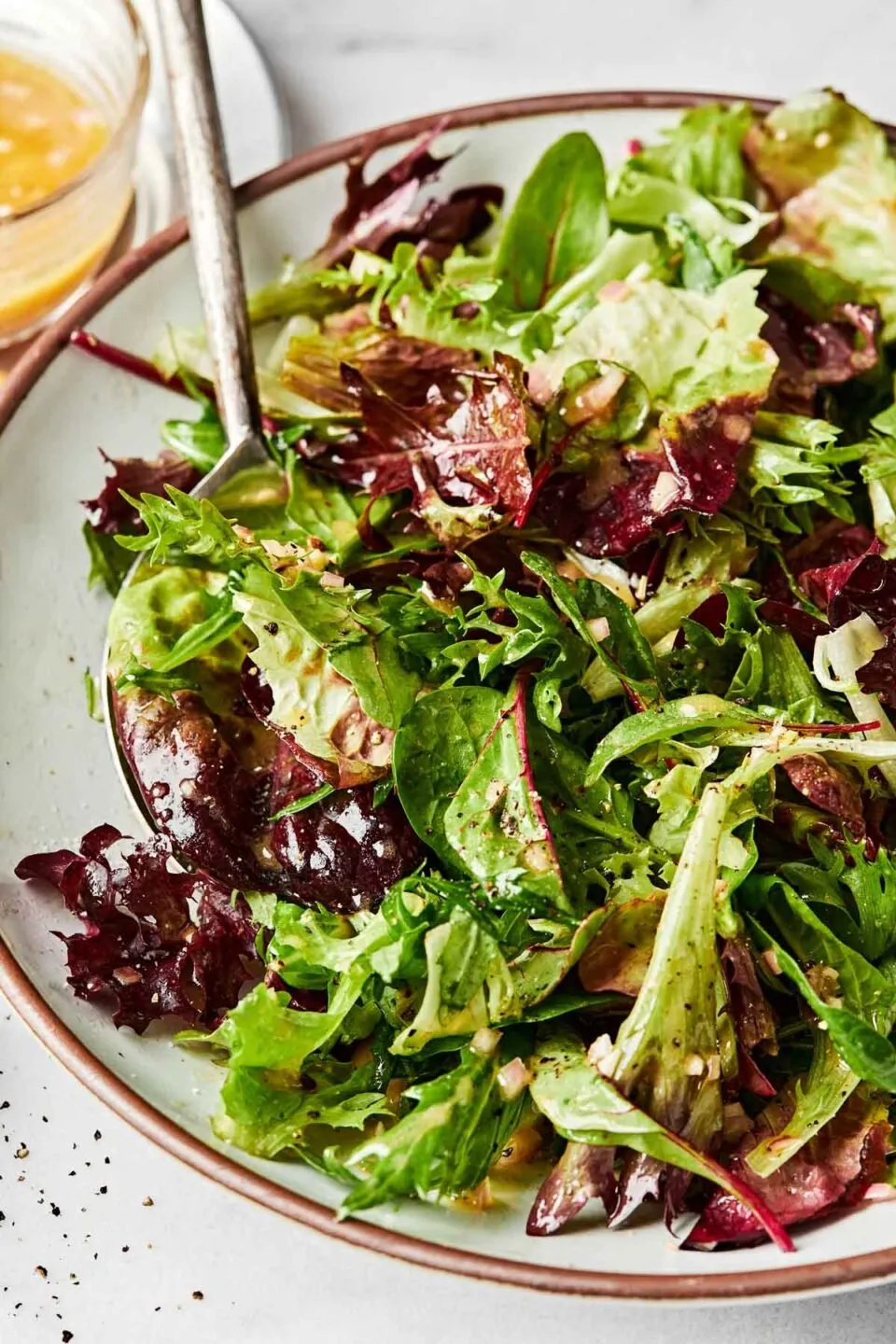 Fresh mixed leafy salad greens tossed with vinaigrette in a bowl
Specific Plant Details for Common Greens:
Here are details for a few greens often found in a mix:
-
Romaine Lettuce
- Scientific Name: Lactuca sativa
- Common Name: Romaine, Cos Lettuce
- Zone: Typically grown as an annual; tolerates USDA Zones 4-9
- Light: Full sun to partial shade
- Humidity: Prefers moderate humidity
- Water: Needs consistent moisture
-
Butter Lettuce
- Scientific Name: Lactuca sativa var. capitata
- Common Name: Butterhead Lettuce, Bibb Lettuce, Boston Lettuce
- Zone: Typically grown as an annual; tolerates USDA Zones 4-9
- Light: Full sun to partial shade
- Humidity: Prefers moderate humidity
- Water: Needs consistent moisture
-
Arugula
- Scientific Name: Eruca vesicaria ssp. sativa
- Common Name: Arugula, Rocket, Roquette
- Zone: Typically grown as an annual; tolerates USDA Zones 3-11
- Light: Full sun to partial shade
- Humidity: Tolerates a range
- Water: Prefers consistent moisture
-
Spinach
- Scientific Name: Spinacia oleracea
- Common Name: Spinach
- Zone: Typically grown as an annual; tolerates USDA Zones 3-9 (best in cool weather)
- Light: Full sun to partial shade
- Humidity: Prefers moderate humidity
- Water: Needs consistent moisture
Harvesting Your Bounty
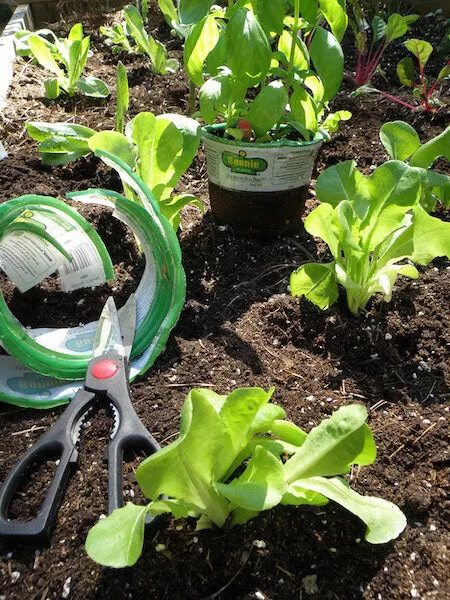
One of the most rewarding aspects is the harvest! For mixed leafy salad greens, you can often start harvesting young leaves when they are just a few inches tall (baby greens). This “cut-and-come-again” method involves snipping the outer leaves from each plant, allowing the inner leaves to continue growing. Use clean scissors or your fingers to snap off leaves about an inch above the base. Avoid taking more than one-third of the leaves from a single plant at one time. This encourages the plant to produce more leaves, giving you harvests for weeks.
Beyond the Garden: Using Your Fresh Mixed Leafy Salad Greens
Once you’ve gathered your beautiful, garden-fresh mixed leafy salad greens, it’s time to enjoy them! The simplest way to truly taste the freshness is with a light, bright dressing. A classic French bistro-style vinaigrette is perfect because it complements the delicate flavors without overpowering them.
A Simple, Zingy Vinaigrette
A good vinaigrette comes together quickly and makes all the difference. This recipe, inspired by traditional French dressings, is designed to highlight the freshness of your greens.
 Ingredients for homemade red wine vinaigrette for mixed leafy salad greens
Ingredients:
- 4 tablespoons extra virgin olive oil
- 3 tablespoons red wine vinegar
- 1 teaspoon Dijon mustard
- 1 teaspoon honey (or maple syrup for vegan)
- ½ finely diced shallot (about 2 tablespoons)
- 2 cloves garlic, finely chopped or grated
- Kosher salt and freshly ground black pepper, to taste
Instructions:
- Combine all vinaigrette ingredients in a small bowl or jar.
- Whisk vigorously or shake the jar until the dressing is well emulsified (thickened slightly).
- Taste and adjust seasoning with salt and pepper as needed.
- Use immediately or store in an airtight container in the refrigerator for up to a week.
Assembling Your Salad
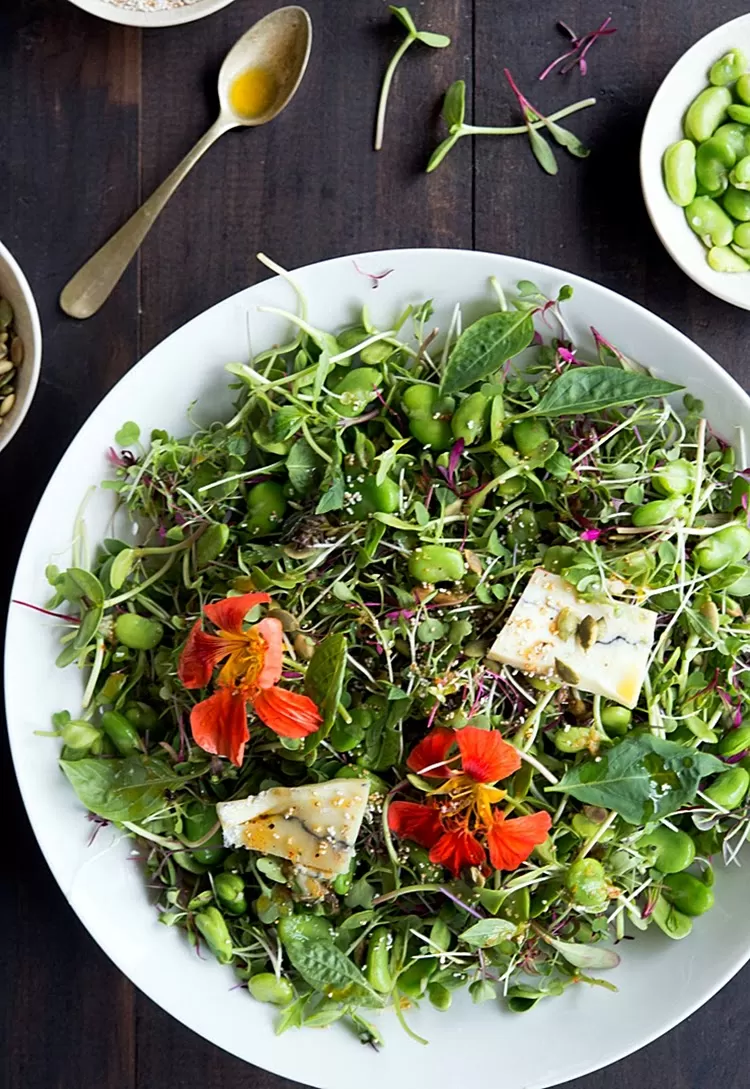
Making the salad couldn’t be easier. Gently wash and dry your garden-fresh mixed leafy salad greens. Place them in a large bowl. Add any desired optional ingredients like sliced cucumber, cherry tomatoes, nuts, or cheese (garden-fresh radishes or carrots would be lovely here too!). Drizzle a small amount of the prepared vinaigrette over the greens.
 Dressing being drizzled over mixed leafy salad greens
Toss gently to coat all the leaves evenly. You want the greens lightly coated, not swimming in dressing. Taste a leaf and add a pinch of salt and pepper if desired.
 Tossed mixed leafy salad greens in a bowl
Serving Suggestions
This simple salad made with your homegrown mixed leafy salad greens is incredibly versatile. Its clean, bright flavor makes it a perfect palate cleanser alongside rich and hearty meals like grilled steak, pasta dishes, roasted chicken, or burgers. It can also be the base for a light meal by adding some grilled fish, chicken, or legumes.
Common Pests and Problems
While relatively easy to grow, mixed leafy salad greens can attract a few pests like aphids, slugs, or flea beetles. Healthy soil and consistent watering can help prevent problems. Inspect your plants regularly and remove pests by hand or use organic pest control methods if necessary. Proper spacing can also improve air circulation and reduce the risk of fungal diseases.
Enjoying Your Garden’s Harvest
There’s immense joy in growing your own food, and mixed leafy salad greens offer one of the quickest paths to that experience. From sowing the tiny seeds to harvesting vibrant leaves and tossing them into a simple, delicious salad, the entire process is rewarding. Growing these greens yourself ensures the freshest, most flavorful salads you’ve ever tasted, making every meal a little brighter.
We hope this inspires you to start growing your own mixed leafy salad greens! What are your favorite types to grow or eat? Share your thoughts and experiences in the comments below! And don’t forget to share this article with fellow garden and food lovers. Explore our site for more tips on growing fresh produce and bringing the garden to your table.