
Is Japanese Maple Invasive? Unraveling the Mystery of This Exotic Beauty
Japanese maples are not officially classified as invasive in Virginia They have high seed production,

Japanese maples are not officially classified as invasive in Virginia They have high seed production,

Rose of Sharon may experience transplant shock when moved, causing wilting and stunted growth Recovery

Japanese maples are susceptible to several pests, including Japanese beetles, aphids, mites, and scale insects.

Repot Japanese Maples every 2-3 years for optimal growth Best time to repot is early

Key takeaways: Monstera aerial roots are adaptations for climbing and nutrient absorption Trimming is possible

Key Takeaways: Peace lilies can be propagated in water, but the process involves division rather

Gasteria Little Warty is a unique, low-maintenance succulent from South Africa It prefers well-draining soil

Annabelle Hydrangeas are stunning garden additions but can face several common issues Problems include diseases,
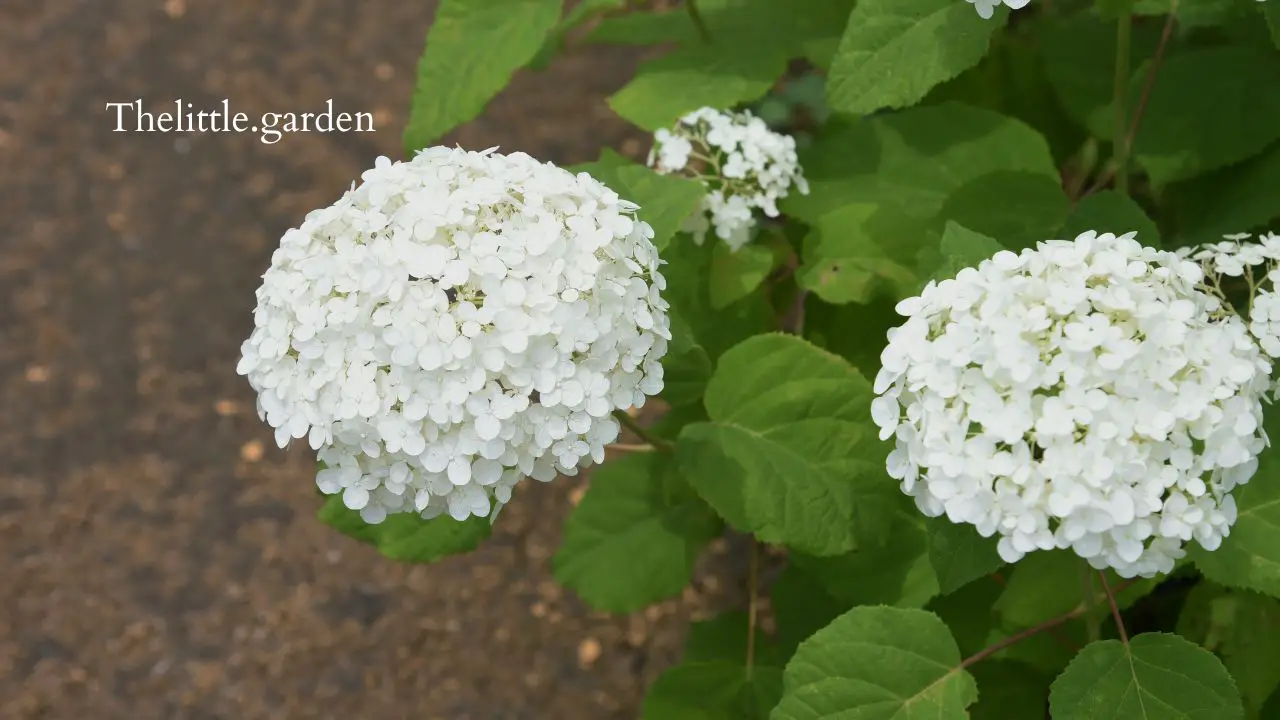
Late winter to early spring is the ideal time to prune, encouraging vigorous new growth.

Choose the right location: Plant lily of the valley in partial shade with moist, well-draining

Key takeaways: Plant Duranta in well-draining, slightly acidic soil with full sun exposure Maintain consistent

White spots on money trees can be caused by powdery mildew, oedema, pest infestations, nutrient
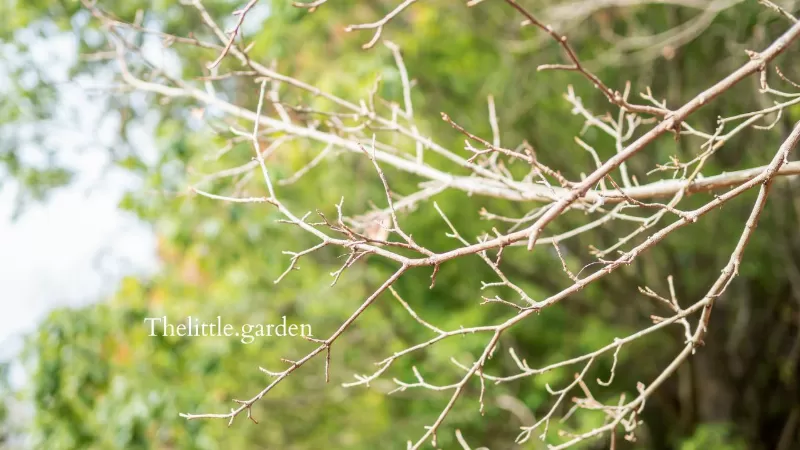
Cherry trees may not produce fruit due to factors like inadequate pollination, improper care, or

Key takeaways: Timing is crucial for uncovering hydrangeas in spring Consider local climate, frost dates,

Overwatering and underwatering are common causes of browning leaves Environmental factors like temperature fluctuations and

Key Takeaways: Growing passion fruit indoors is possible with proper care and conditions Choose compact

Cherry trees can thrive in pots, making them perfect for small spaces and urban gardens

Ficus Yellow Gem thrives in bright, indirect sunlight Water when top 4 inches of soil

Optimal trimming time: Early to late June, after lilacs bloom Focus on current year’s growth,
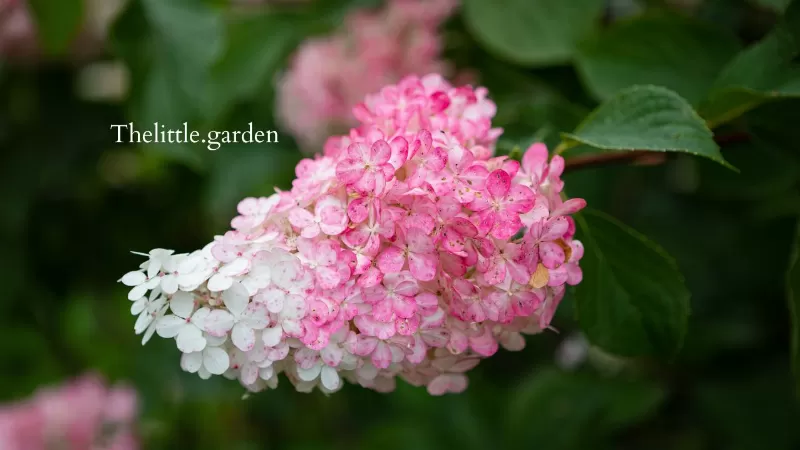
Key Takeaways: Pinky Winky Hydrangeas are easy to care for and ideal for beginners Pruning

Brown leaves are a common issue for bird nest spruce plants Main causes include imbalanced

Key Takeaways: Yellowing dahlia leaves can be caused by improper watering, soil issues, diseases, or

Majesty palms thrive in USDA Hardiness Zones 9-11 They prefer bright, indirect sunlight and well-draining

Key takeaways: Cedar hedges are highly attractive to deer, especially during winter Deer can cause
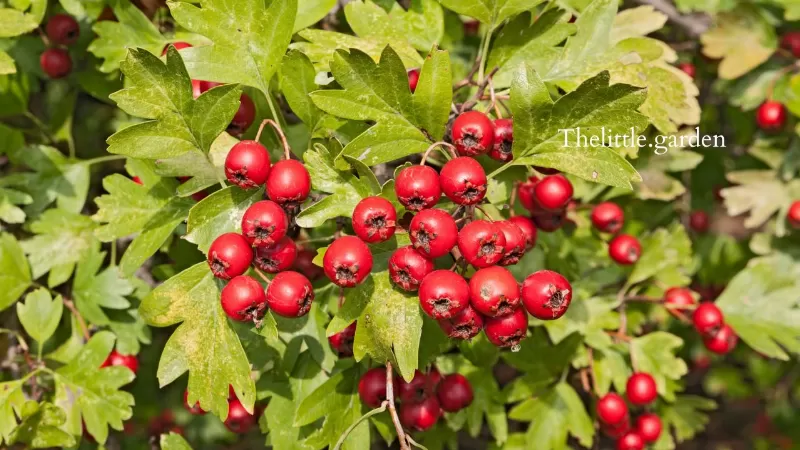
Clay soil can be challenging for gardening, but many evergreens thrive in these conditions Trees,

Key Takeaways: Identifying your Agapanthus variety is crucial for proper winter care Deciduous Agapanthus can

Begonia Rex thrives in light, airy, and well-draining soil with slight acidity A balanced mix

Polka dot plants are easy to propagate, especially during spring and summer You can propagate

Key takeaways: Black-eyed Susans are hardy perennials that can be transplanted in spring or fall

Purple climbing plants add a luxurious and dreamy effect to gardens Options range from annuals

Key takeaways: Yellowing leaves in geraniums can be caused by various factors including watering issues,

Boston ferns thrive in temperatures between 15-21°C (50-70°F) They can tolerate temperatures as low as
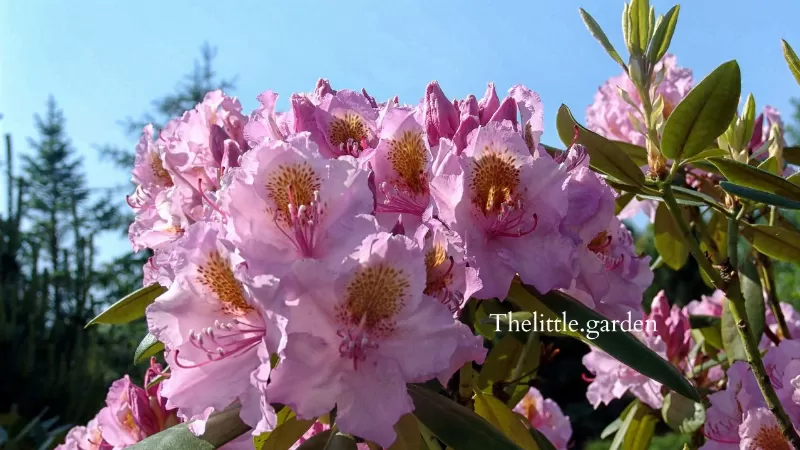
Prune rhododendrons in late spring or early summer, focusing on leggy and diseased branches Maintain

Sword Ferns and Boston Ferns have distinct visual differences in frond shape and growth patterns

Lettuce growth progresses through six main stages: seed, germination, seedling, vegetative, bolting, and harvesting. Proper

Key Takeaways: Dappled willow pruning is best done in late winter or early spring Annual

Key Takeaways: Yellowing petunia leaves often result from cultural factors or nutrient deficiencies Proper watering,

Key takeaways: Fort Hill Creeping Phlox offers stunning violet blooms and low-maintenance care Ideal as
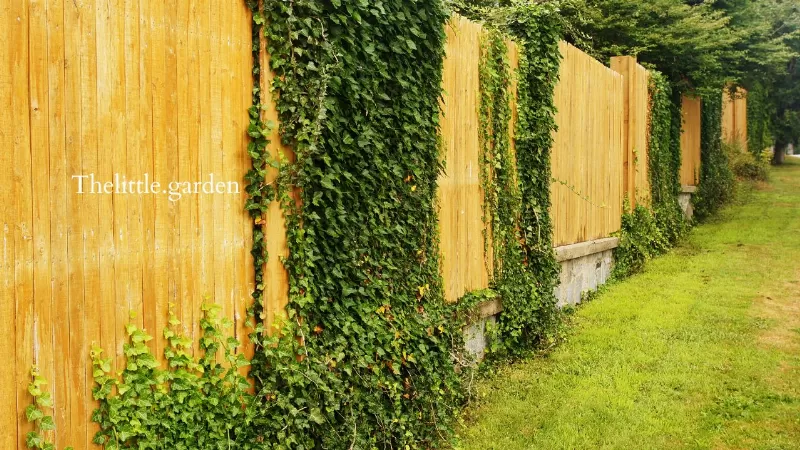
Choose between English ivy and Boston ivy based on your preferences and climate Select a

Key Takeaways: Frost damage, scale insects, and plant bugs can cause brown leaves in Weigela

Hollyhocks symbolize ambition and fertility The flower’s name combines “holy” and “mallow,” reflecting its medicinal

Key takeaways: Pansies and petunias are beloved garden flowers with distinct characteristics Pansies thrive in

Key takeaways: Growing orchids without soil offers unique advantages and challenges Five methods: hydroponics, hydroculture,

Hostas thriving in Colorado garden Key Takeaways: Hostas thrive in Colorado’s hardiness zones 3-7 Proper

White leaves on hibiscus plants can indicate various issues, including fungal infections, pest infestations, and

Key Takeaways: Avocado trees go through 6 distinct growth stages from seed to fruit Optimal

Key Takeaways: Clematis Early Sensation is a compact climber with stunning bell-shaped flowers Blooms early
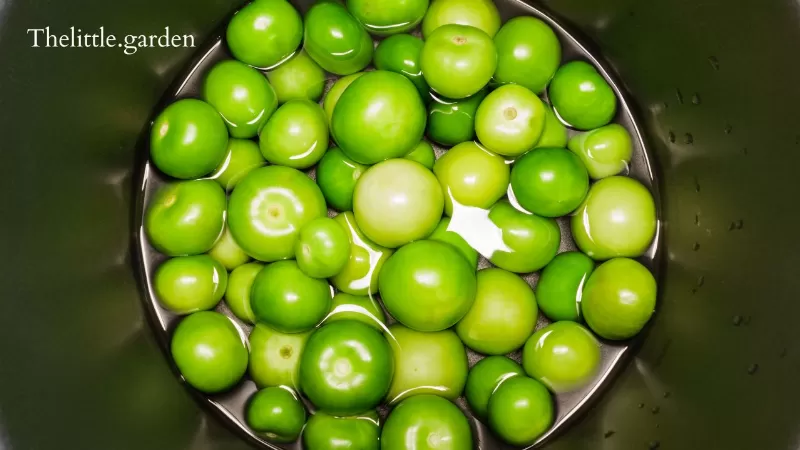
Key Takeaways: Tomatillos and ground cherries are related but distinct fruits in the nightshade family

Key takeaways: Homegrown cauliflowers can be larger than store-bought ones Proper care through each growth

Companion planting with asparagus can improve crop yields and deter pests Tomatoes, eggplants, herbs, and

Key takeaways: Bananas splitting open is a natural occurrence caused by specific environmental conditions High

Key Takeaways: Baby’s breath flowers do have a scent, but it’s subtle and often described

Alternaria Leaf Spot: Provide proper spacing, water at the base, and use citric acid-based fungicides.

Florida water plants play a crucial role in maintaining wetland balance and providing wildlife shelter

Sunburn can severely damage orchid leaves, flowers, and roots Signs of sunburn include discoloration, curling

Anthurium Pallidiflorum is a rare, tropical plant native to Ecuador It thrives in humus-rich soil,

Key Takeaways: Marigolds can tolerate temperatures as low as 28°F (-2°C) They thrive best in

Key takeaways: Begonias thrive in shade and require well-draining, moist soil Companion plants should share

Key takeaways: Jasmine leaf curling can be caused by various factors including light issues, nutrient